On May 15, 2026, the Academy of Public Administration and Governance organized a scientific seminar themed "Scientific basis for the public service execution capacity of commune-level government cadres and civil servants." The seminar is within the research framework of the key Ministry-level scientific project "Enhancing the public service execution capacity of commune-level government cadres and civil servants," chaired by Assoc. Prof. Dr. Nguyen Ba Chien. Dr. Bui Phuong Dinh and Assoc. Prof. Dr. Hoang Mai co-chaired the seminar
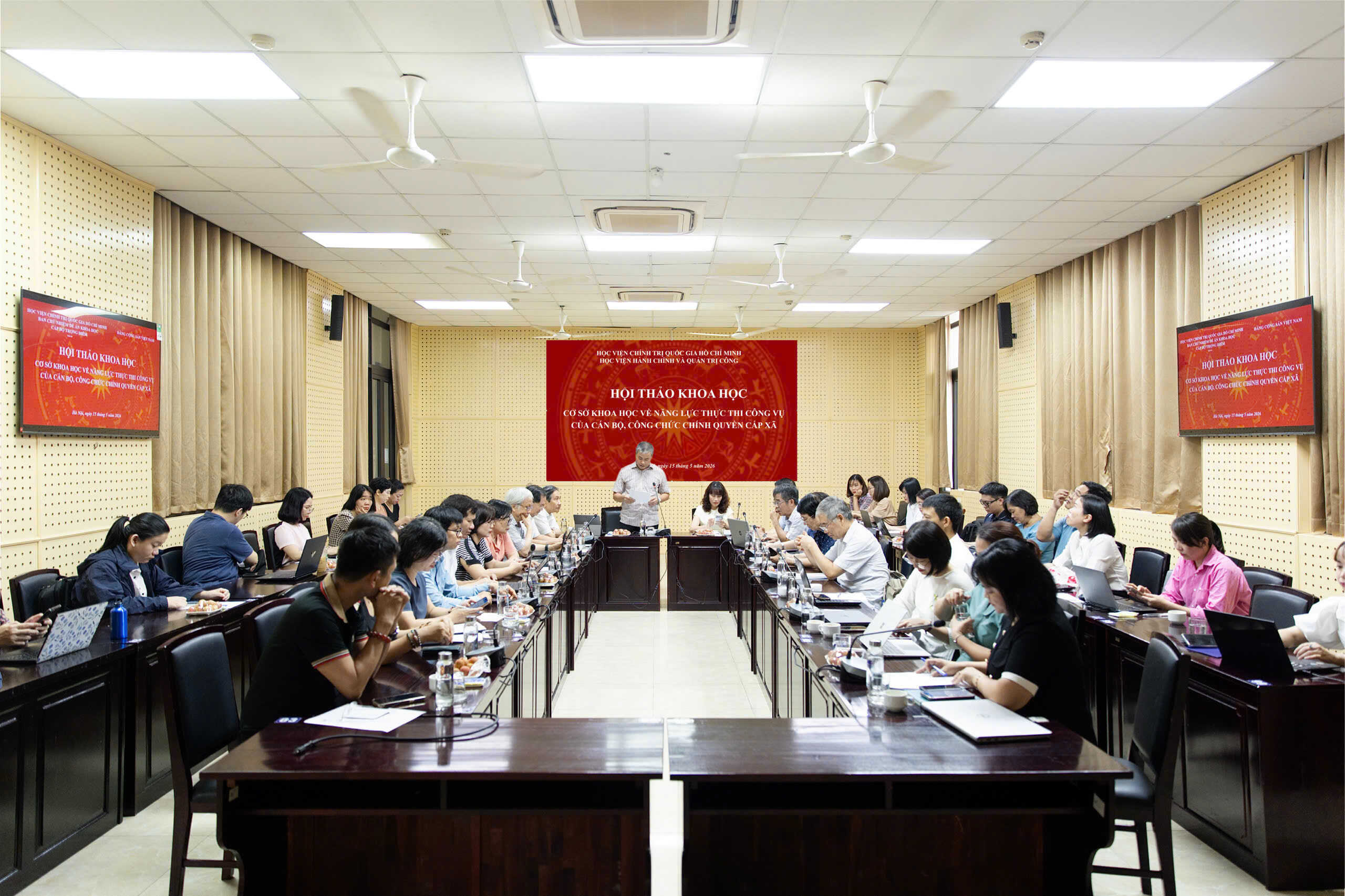 Overview of the seminar
The seminar attracted the participation of many experts and scientists from within and outside the Academy, along with a large number of officials, lecturers, and postgraduates from the Faculty of Human Resource Management.
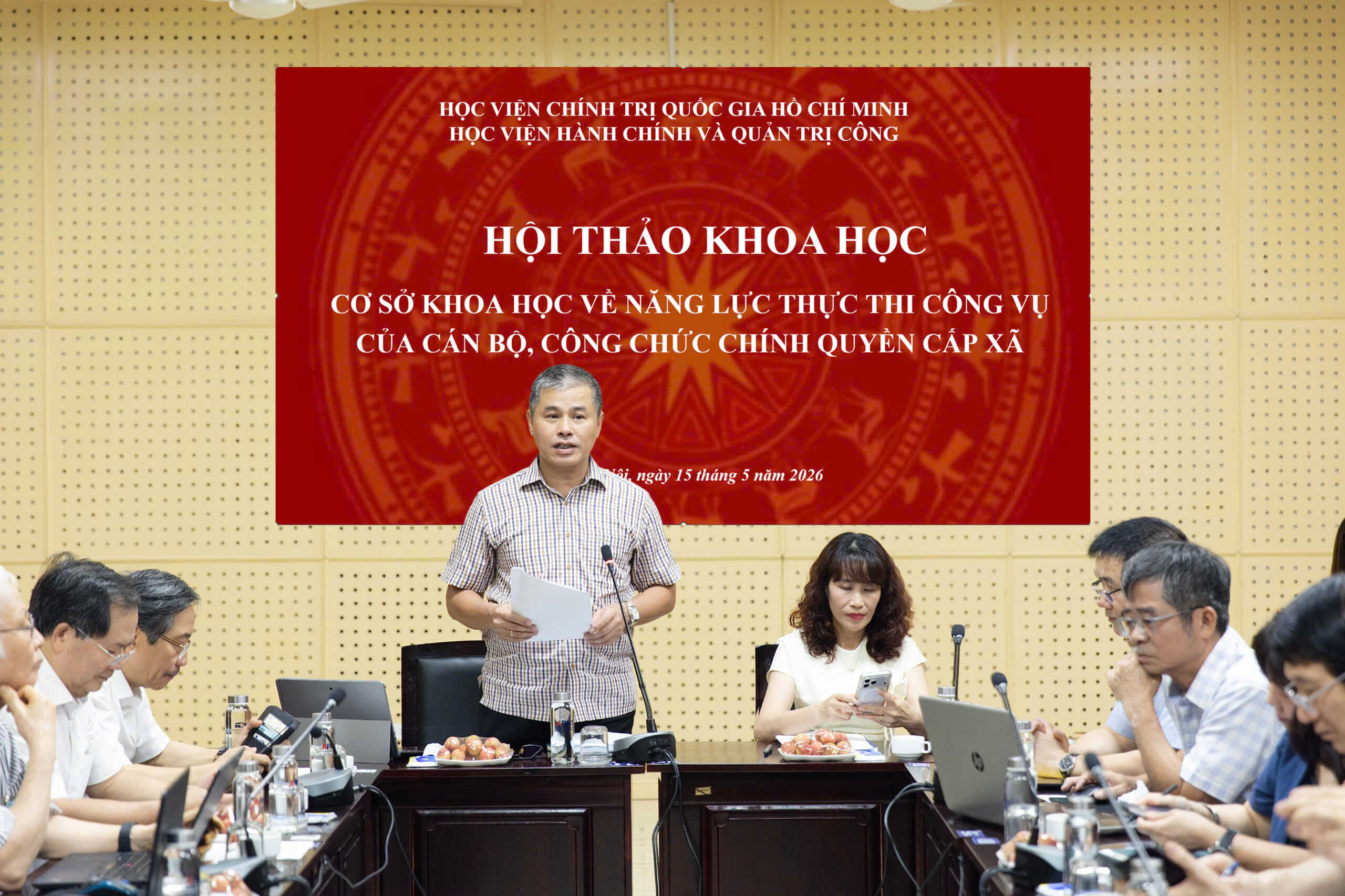 Dr. Bui Phuong Dinh, Vice President of the Academy of Public Administration and Governance, delivering the opening speech at the seminar
Delivering the opening speech at the seminar, Dr. Bui Phuong Dinh emphasized that in the context of implementing the two-tier local government model, the contingent of commune-level government cadres and civil servants is facing the requirement of comprehensive innovation in position, role, authority, and operational methods. When there is no longer a district level acting as an intermediary tier, the commune level becomes the tier directly organizing the execution of most local governance tasks at the grassroots level; directly providing public services and serving as the most frequent "touchpoint" between the State, citizens, and businesses. This sets increasingly high demands on the public service execution capacity of the commune-level cadre and civil servant contingent, not only in professional qualifications and administrative skills but also in local governance capacity, digital transformation adaptability, public problem solving, inter-sectoral coordination, serving the People, and accountability in the context of modern governance.
Dr. Bui Phuong Dinh stated that in many localities today, the capacity among different groups of civil servants is still uneven; the ability to apply technology and adapt to digital transformation remains limited; training and fostering work still leans toward equipping general knowledge, while public service execution skills, situational problem-solving, and serving the people in a digital environment have not been adequately focused on. The process of reorganizing administrative units and operating the two-tier local government model is setting new requirements for public sector human resource management at the grassroots level, requiring a more scientific, systematic, and practical approach to the issue of public service execution capacity.
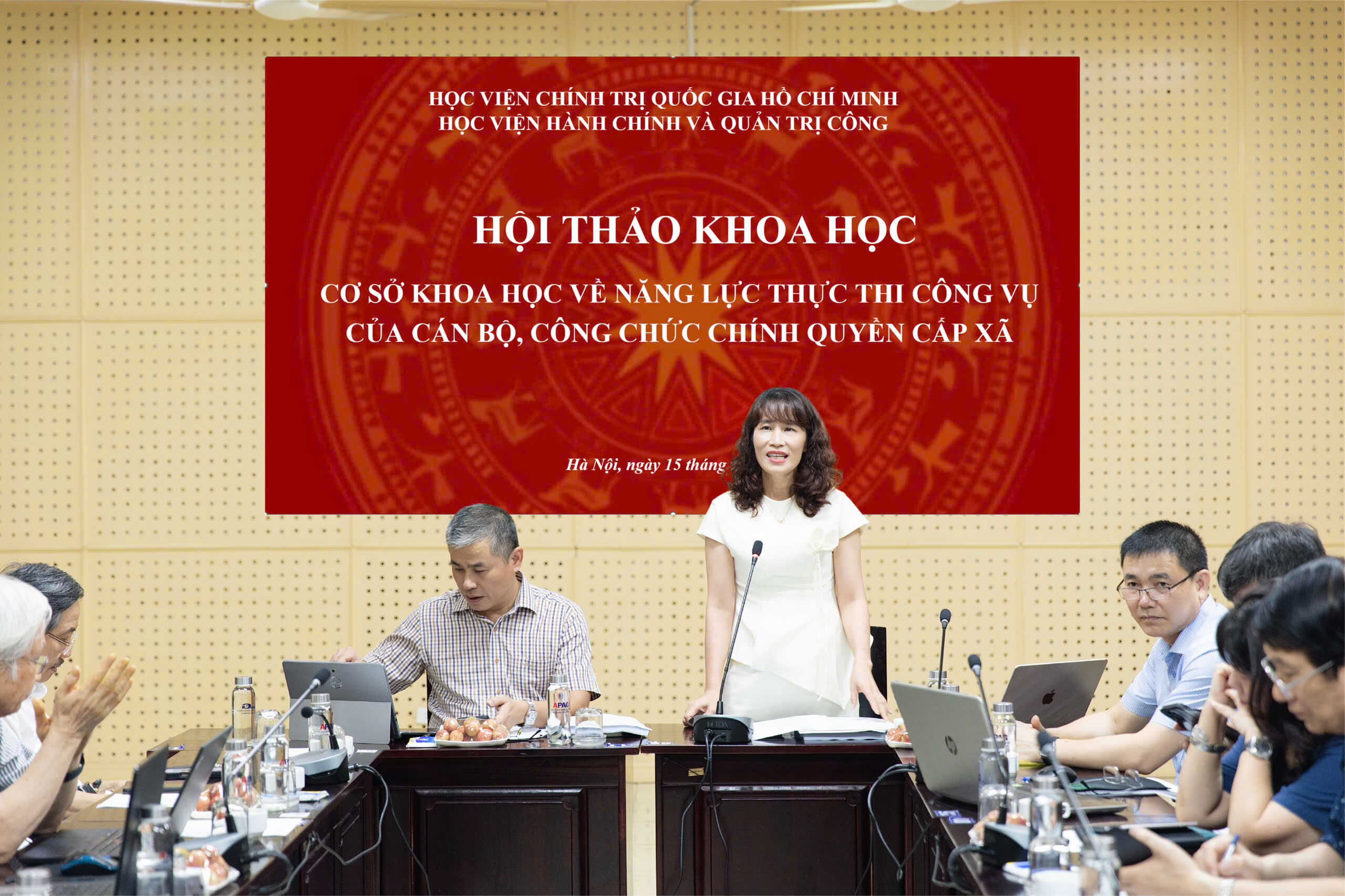 Assoc. Prof. Dr. Hoang Mai, Dean of the Faculty of Human Resource Management, delivering the introductory speech at the seminar
Delivering the introductory speech at the seminar, Assoc. Prof. Dr. Hoang Mai affirmed that in the context of accelerating administrative reform and national digital transformation, enhancing the public service execution capacity of the commune-level cadre and civil servant contingent is an inevitable requirement to ensure the effectiveness and efficiency of grassroots governance. The commune-level government is the tier closest to the people, directly handling the affairs of citizens and businesses; it is the place that brings the Party's guidelines and the State's policies and laws into practice, so the quality of this contingent's activities has a decisive significance for the effectiveness of serving the People and the operation of the administrative apparatus.
Assoc. Prof. Dr. Hoang Mai emphasized that although the commune-level cadre and civil servant contingent has recently made many positive changes in standardization, training, and task execution, the new requirements demand a more scientific, comprehensive, and systematic approach to this contingent's public service execution capacity. At the seminar, she hoped to receive many exchanging opinions and explanations from experts and scientists revolving around two central groups of issues: (1) General issues regarding the commune-level government and the commune-level cadre and civil servant contingent; (2) The system of criteria for evaluating public service execution capacity.
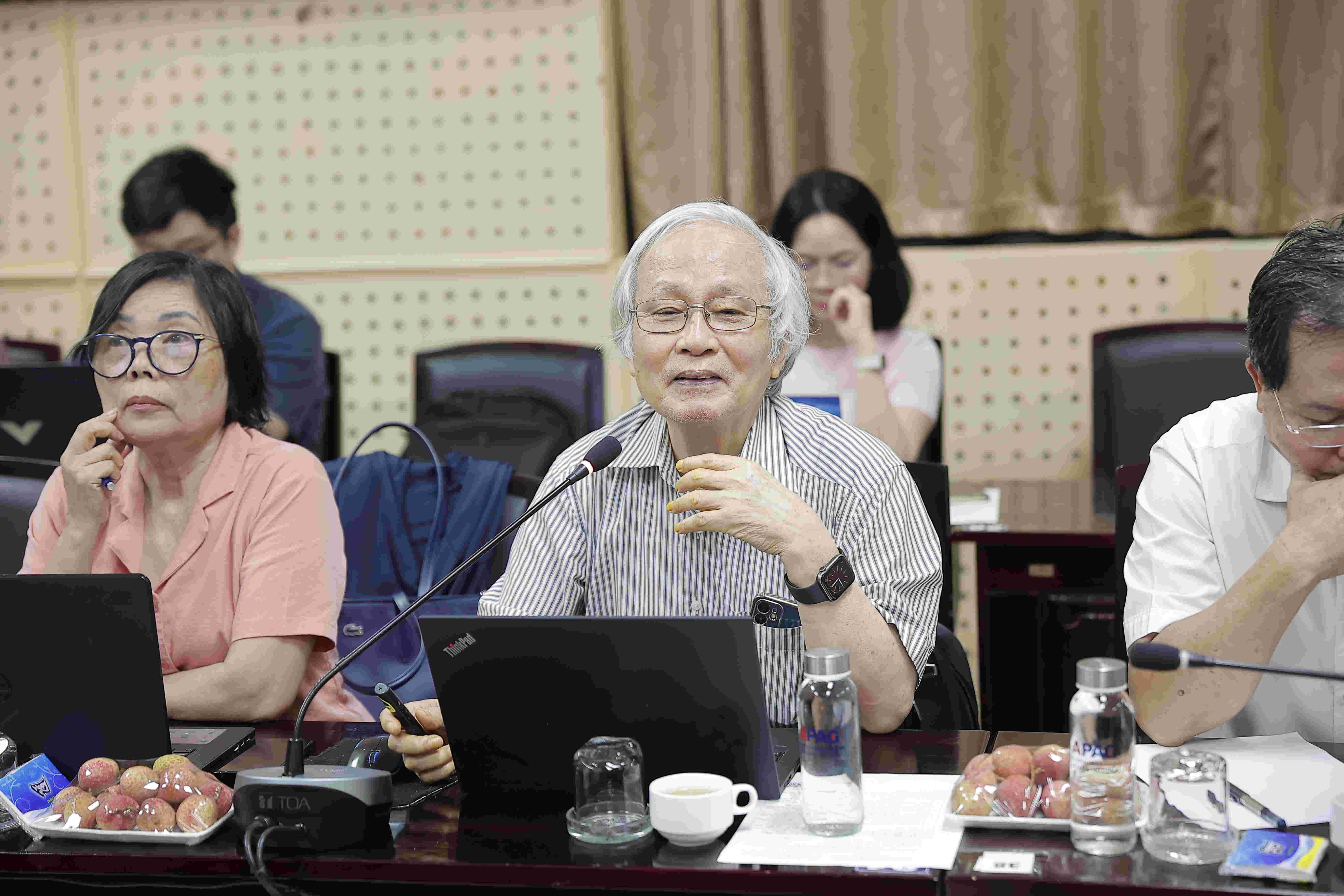 Assoc. Prof. Dr. Vo Kim Son, former Dean of the Faculty of Personnel Organization and Management, National Academy of Public Administration, presenting a paper
Presenting at the seminar, Assoc. Prof. Dr. Vo Kim Son argued that a major limitation currently is that the system for recruiting, utilizing, and training cadres and civil servants still leans toward rank standards, degrees, and certificates instead of evaluating actual capacity according to the KSA (Knowledge - Skills - Attitude) model. This leads to inappropriate appointments, wasteful training, and the paradox of a simultaneous "surplus and shortage" of human resources. According to him, it is necessary to comprehensively survey the existing capacity of the cadre and civil servant contingent, while simultaneously accurately determining the capacity requirements for each job position before recruiting, placing, or training.
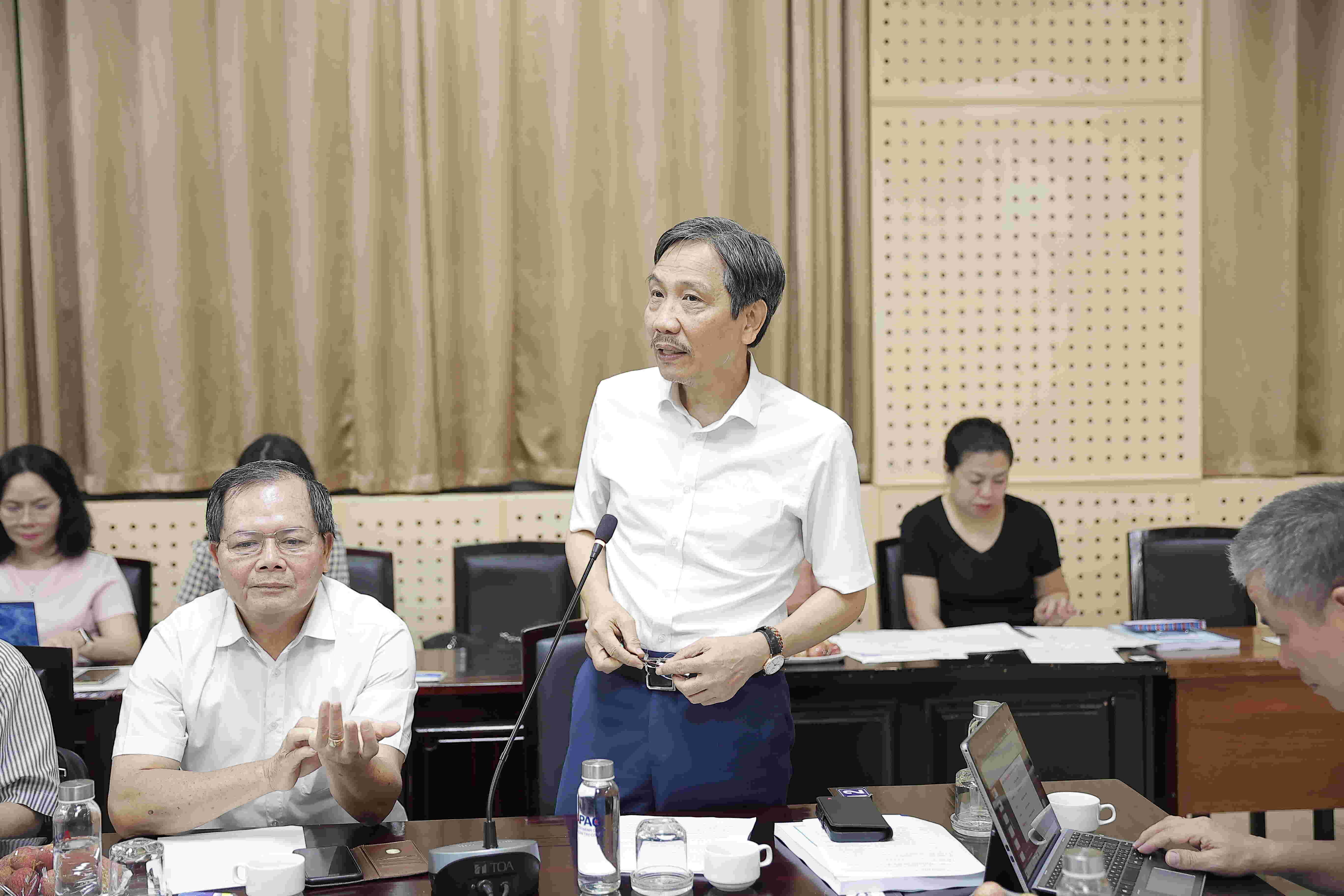 Dr. Tran Anh Tuan, former Deputy Minister of Home Affairs, President of the Vietnam Association of Administrative Sciences, presenting a paper
Sharing at the seminar, Dr. Tran Anh Tuan argued that the capacity of cadres and civil servants is not only measured by degrees or administrative standards but must be composed of three elements: qualities of responsibility and dedication motivation; professional knowledge foundation; and skills in handling work and adapting to digital transformation. According to him, capacity assessment needs to be based on the results of public service execution, the degree of meeting socio-economic development requirements, and the operational ability in the context of modern national governance. At the same time, he also pointed out some inadequacies in downsizing the staff, organizing the apparatus, and training cadres today that are affecting the motivation and public service execution efficiency of the civil servant contingent.
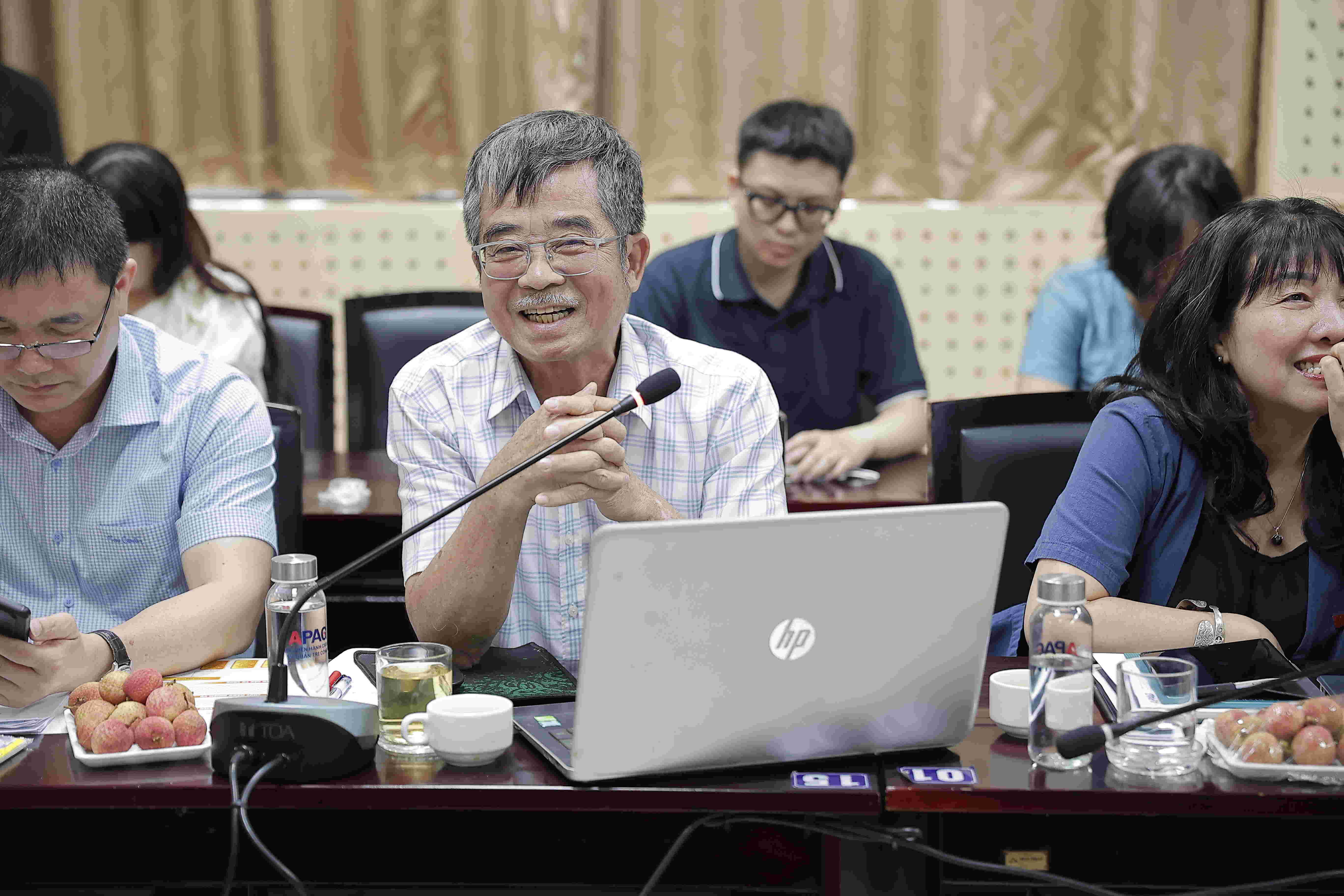 Dr. Dinh Duy Hoa, former Director General of the Department of Administrative Reform, Ministry of Home Affairs, presenting a paper
At the seminar, Dr. Dinh Duy Hoa clarified the inadequacies in the scientific basis of the current public service system. According to him, Vietnam in practice still operates under the "career-based" model, relying on degrees to classify civil servants, but applying the "job position" mindset incompletely and lacking substance. This leads to a situation where recruitment does not match capacity, training is spread thin, training content is not closely aligned with job requirements, and the job position system remains overloaded and lacks specialization. He emphasized that to improve the capacity of civil servants, it is necessary to clearly identify the operating public service model, while simultaneously designing fostering activities based on practical skills and the specific requirements of the grassroots level.
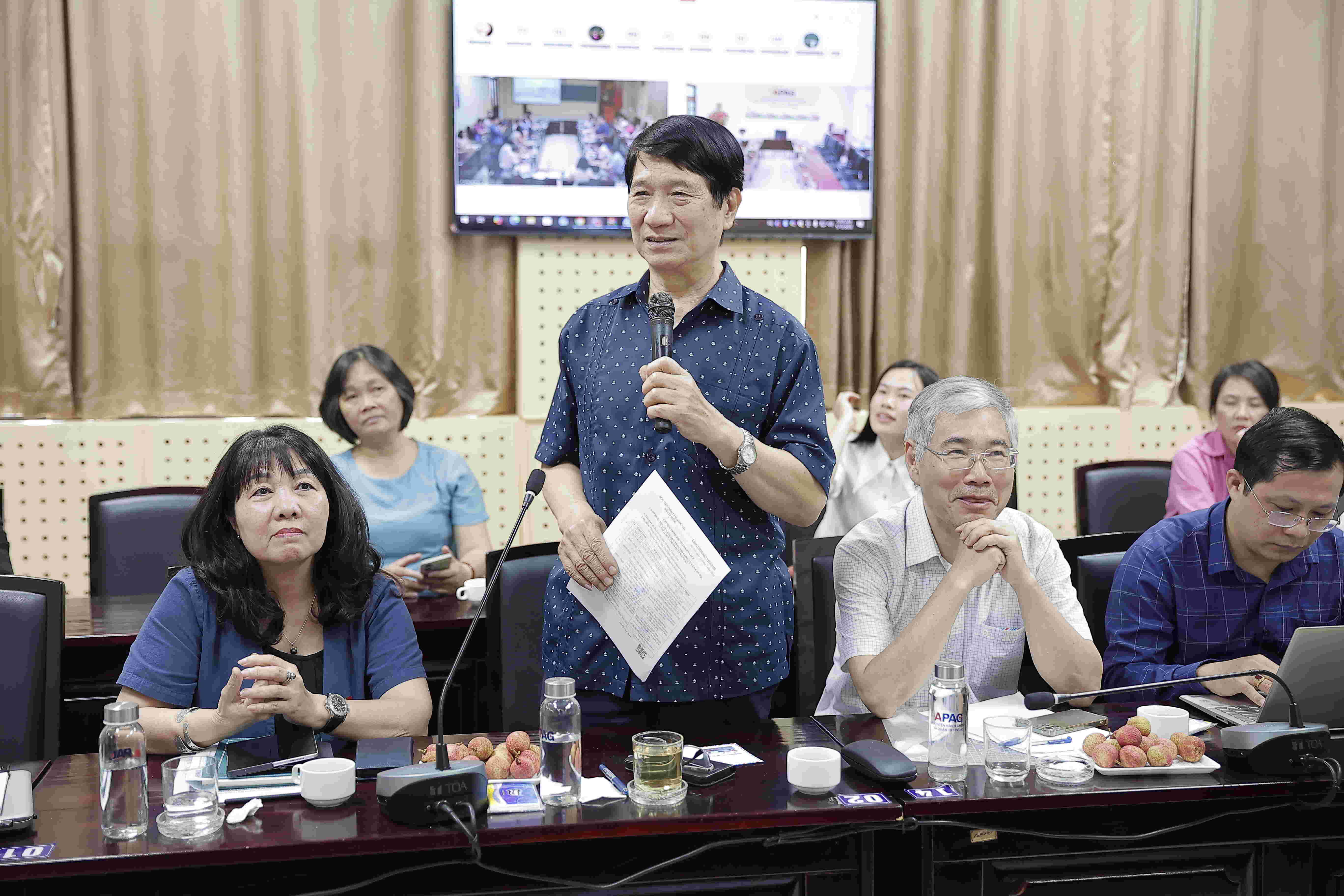 Assoc. Prof. Dr. Ngo Thanh Can, former Deputy Dean of the Faculty of Personnel Organization and Management, National Academy of Public Administration, presenting a paper
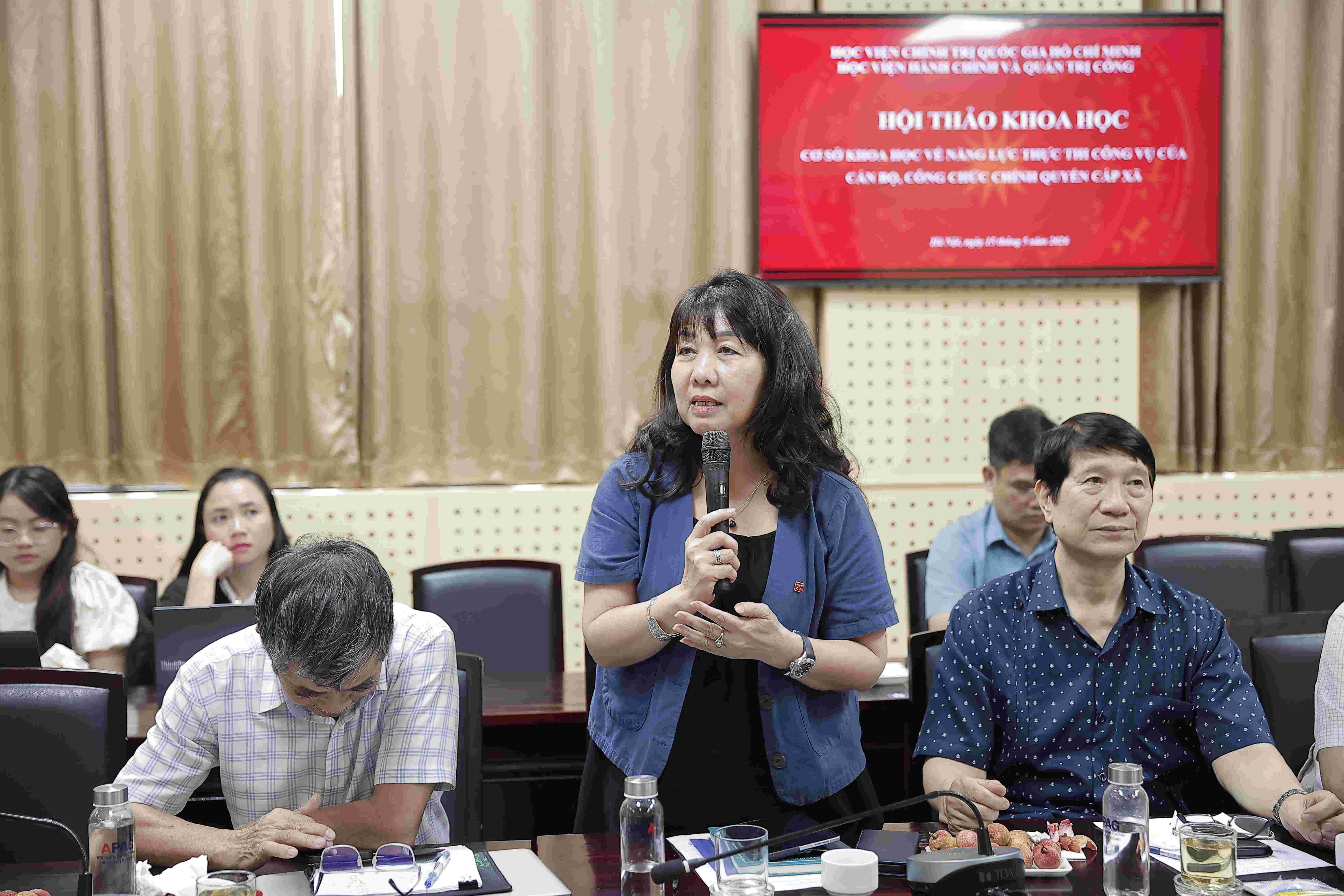 Assoc. Prof. Dr. Le Thi Van Hanh, former Vice President of the National Academy of Public Administration, presenting a paper
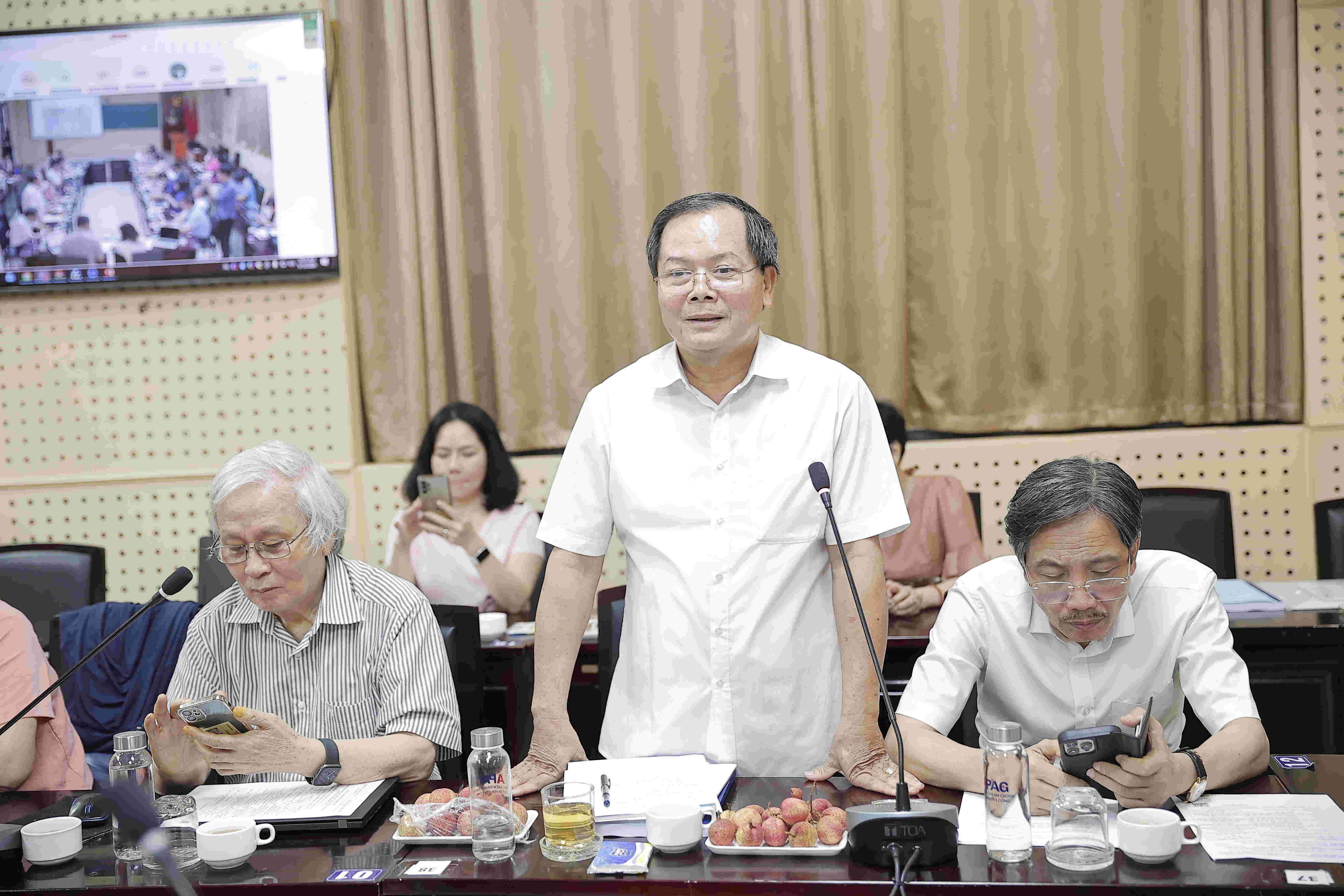 Mr. Nguyen Van Thang, former Secretary of the Party Committee and Chairman of the People's Council of Tay Ho District, Hanoi City, presenting a paper
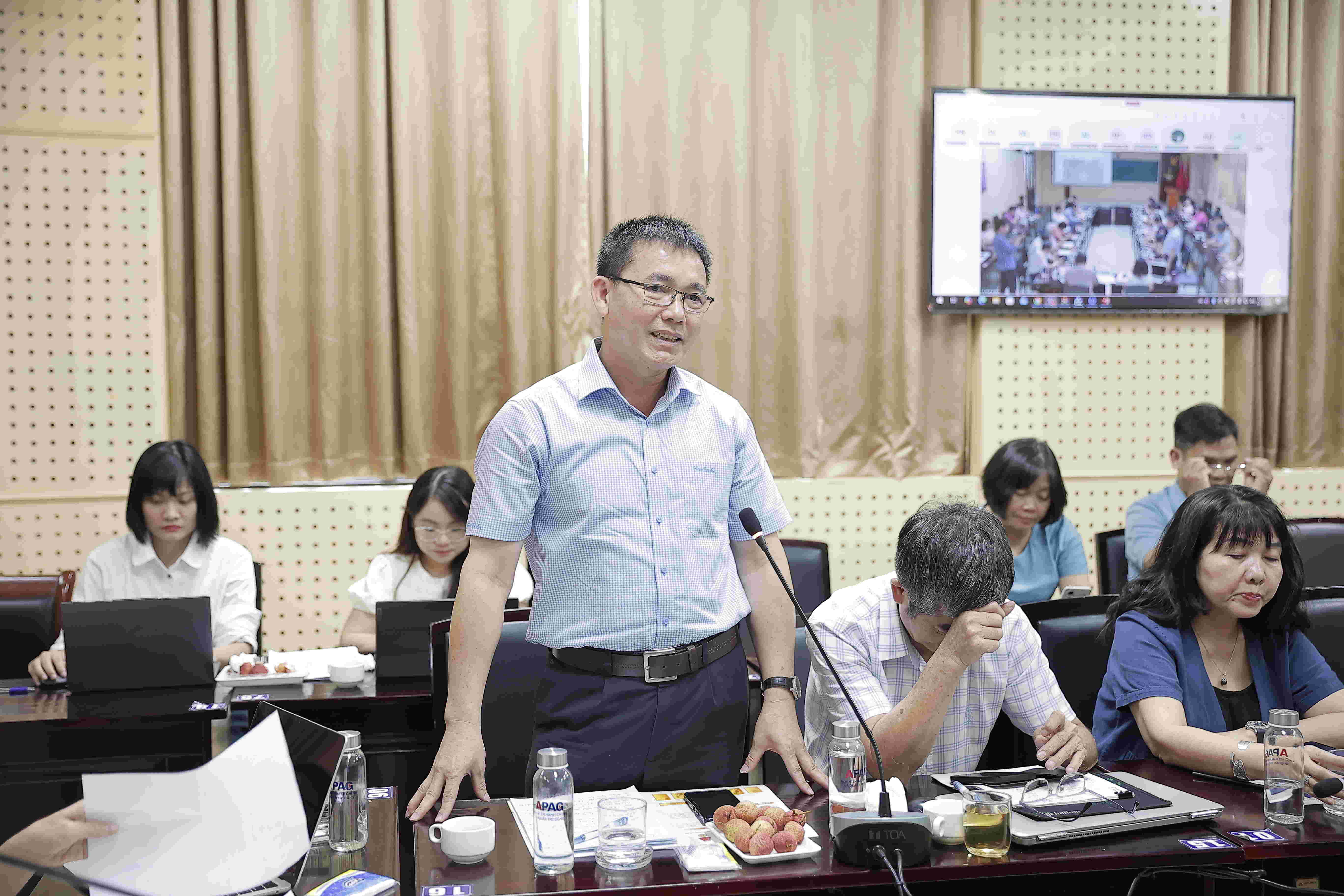 Dr. Vu Xuan Thanh, Deputy Director of the Institute of State Organizational Sciences and Labor, Ministry of Home Affairs, presenting a paper
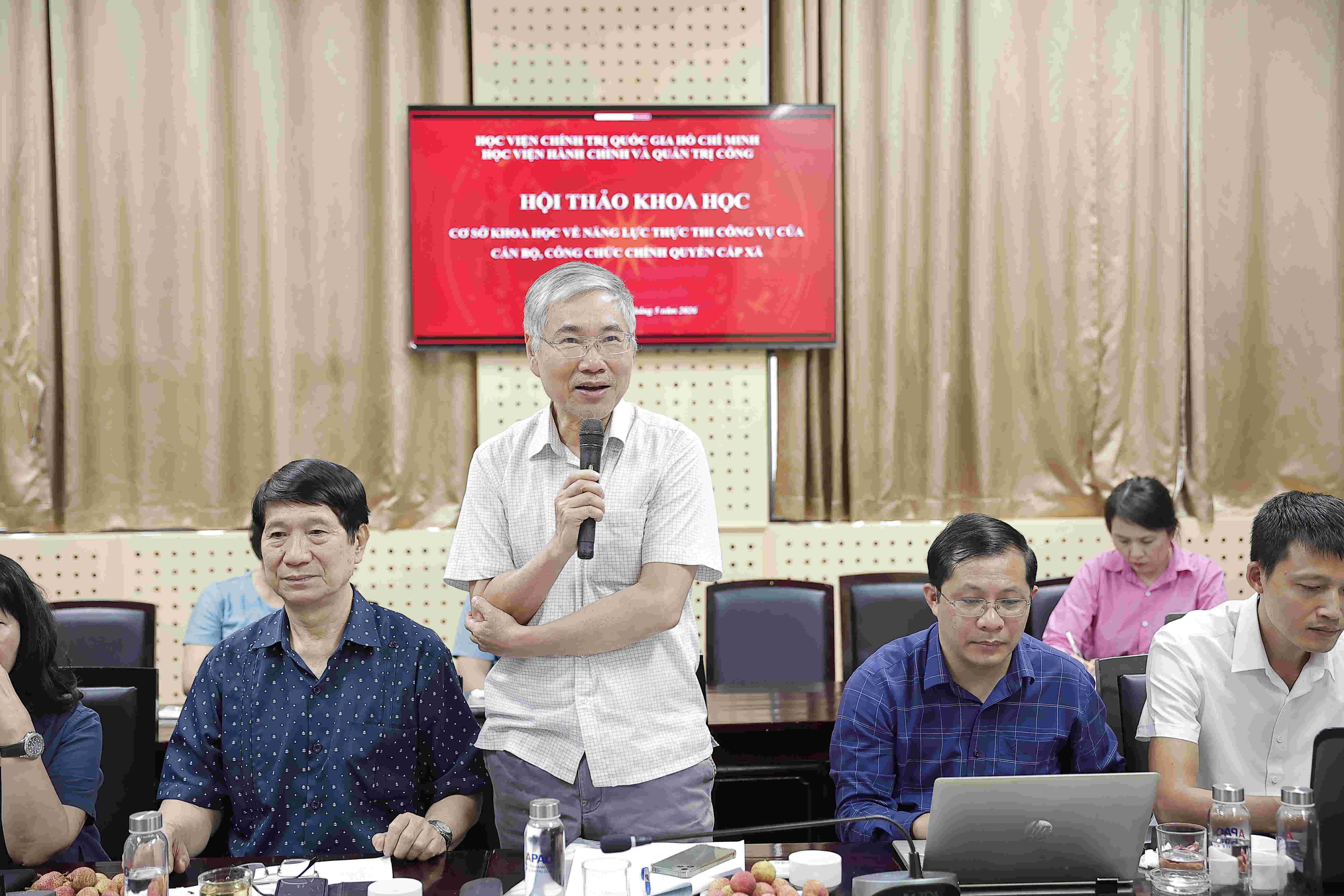 Assoc. Prof. Dr. Nguyen Minh Phuong, former senior lecturer of the Academy of Public Administration and Governance, presenting a paper
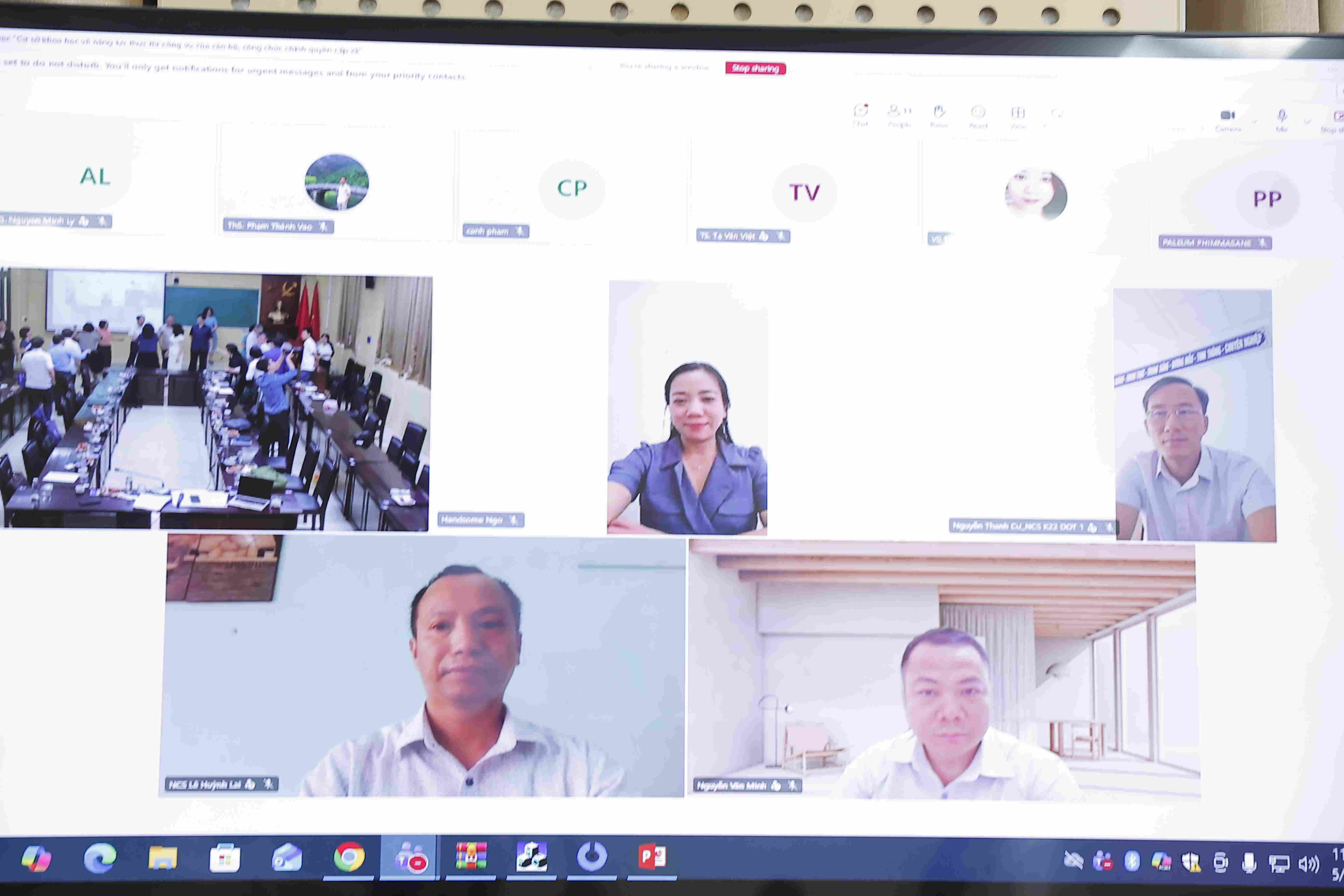 Delegates attending online
The seminar recorded many dedicated opinions from experts and scientists on the issue of enhancing the public service execution capacity of commune-level cadres and civil servants in the context of operating the two-tier local government model. The opinions focused on several key contents: (1) Public service execution capacity cannot only be evaluated through educational attainment or professional degrees but needs to focus on the ability to adapt, handle work, and effectively meet the practical requirements of state management activities at the grassroots level; (2) Enhancing the capacity of commune-level cadres and civil servants needs to be carried out on the basis of clearly defining the job position and practical requirements of each title instead of applying general training and fostering programs. Each job position needs to build its own competency framework tied to tasks, responsibilities, and specific management situations in practice; at the same time, cadre evaluation work must shift from a formalistic approach to an evaluation based on work efficiency and the level of contribution to the local socio-economic development; (3) Public service capacity must adapt to the changes in the governance model and the social development context; (4) It is necessary to perfect the remuneration mechanism, upgrade the infrastructure serving digital transformation, and review and cut down on tasks that are no longer appropriate to reduce pressure on the grassroots level; (5) It is proposed to approach the issue systematically: first, it is necessary to clarify "what does commune-level public service do" in the new context, from which to build a "standard competency framework" as a basis for surveying and comparing with the actual status of the contingent to identify gaps requiring fostering. In addition, it is necessary to clearly distinguish between two types of positions: Specialist and Generalist, as each type requires a different training and evaluation strategy; (6) The sets of criteria for capacity evaluation need to be piloted in several localities before being finalized and replicated in practice.
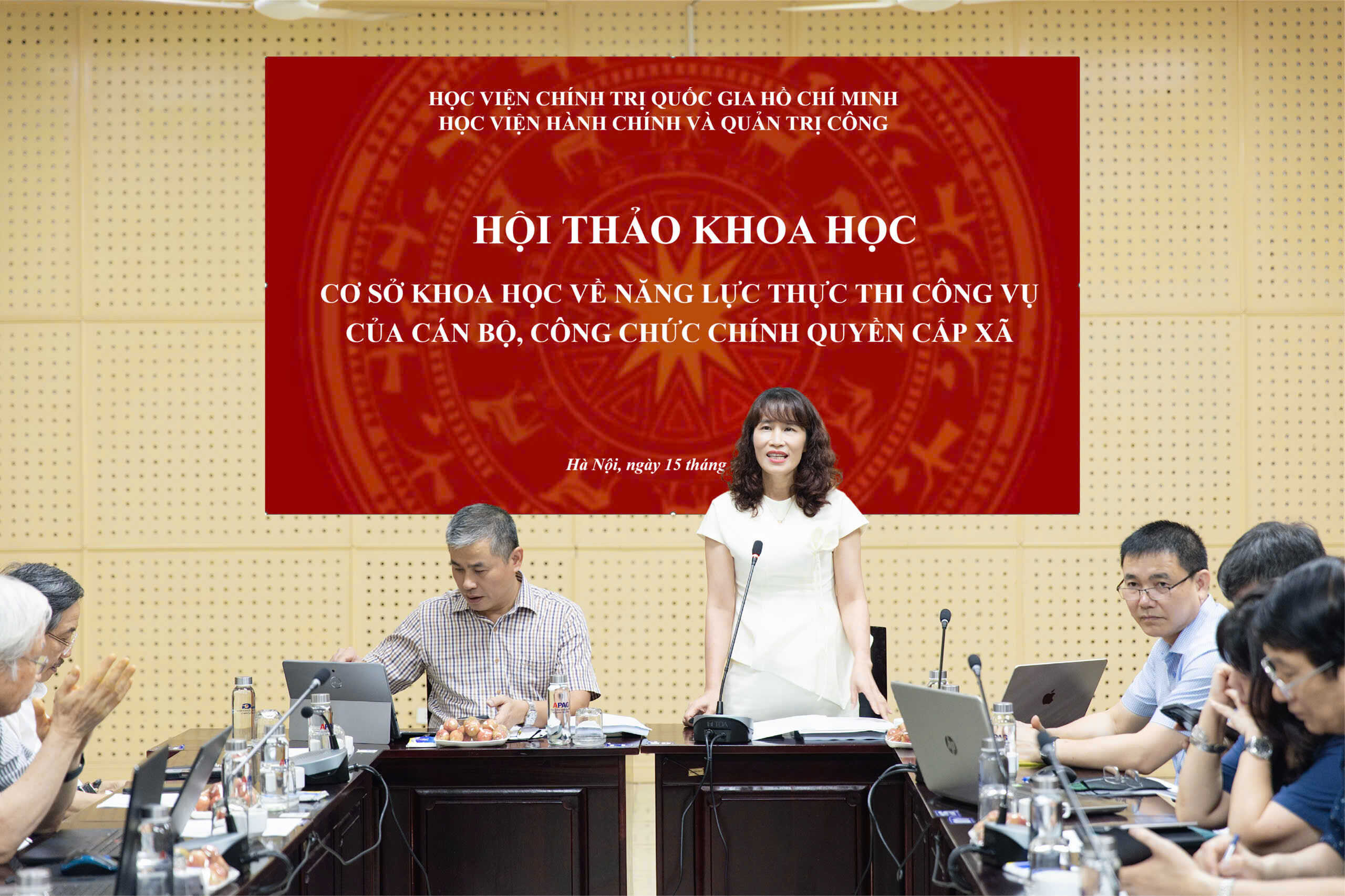 Assoc. Prof. Dr. Hoang Mai delivering the closing speech
Concluding the seminar, Assoc. Prof. Dr. Hoang Mai respectfully thanked the experts, scientists, and delegates who contributed many profound and comprehensive opinions. Assoc. Prof. Dr. Hoang Mai affirmed that the results of the seminar not only have direct significance for the implementation of the key Ministry-level scientific project but also contribute to supplementing scientific evidence serving policy-making, building capacity standards, and innovating training, fostering, and developing programs for the commune-level cadre and civil servant contingent in the new phase.
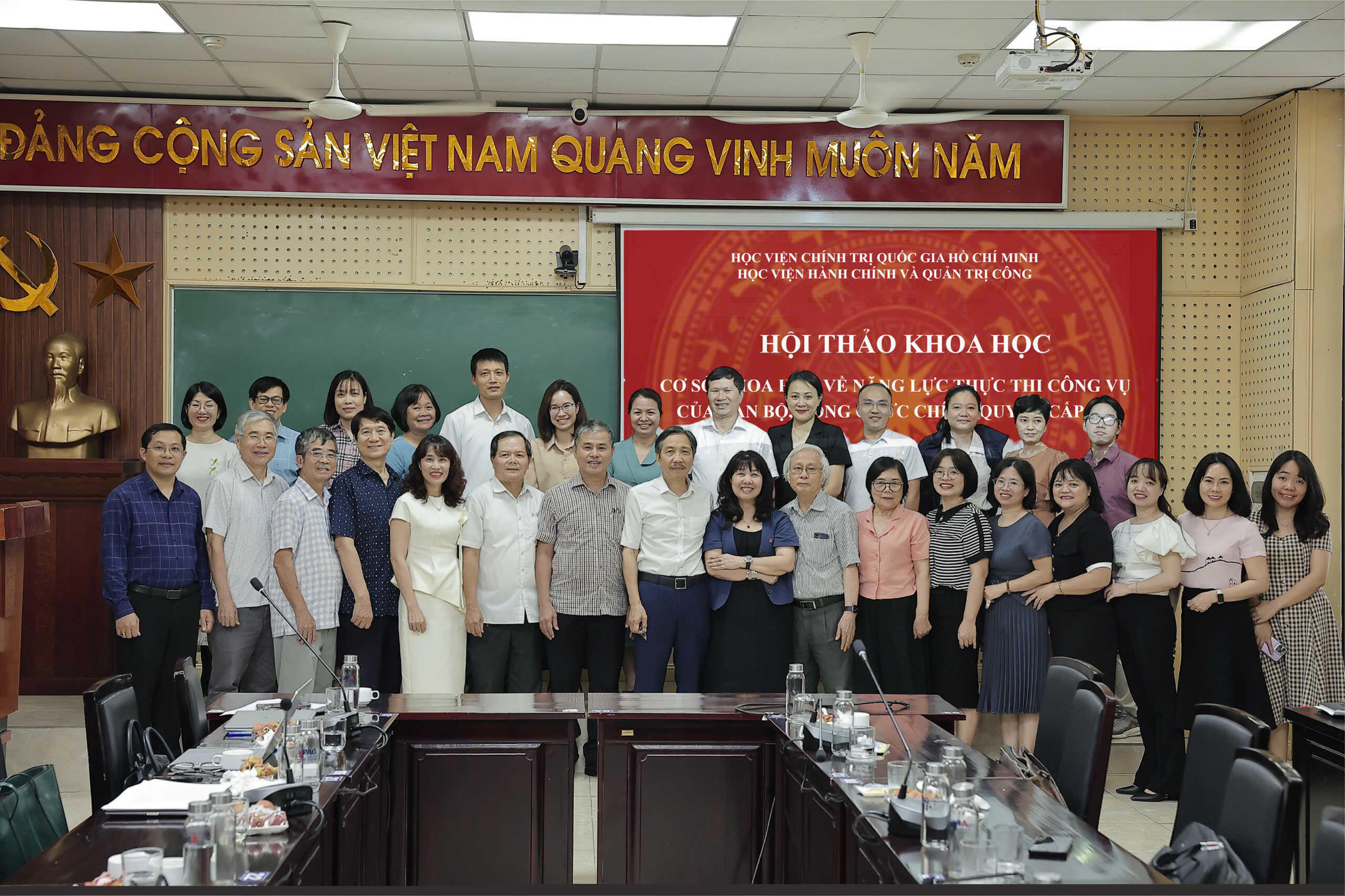 Delegates taking commemorative photos