On 19 October 2026, at APAG Headquarters in Ha Noi, the Academy of Public Administration and Governance (APAG), in collaboration with the Chandler Academy of Governance (CAG), held the opening ceremony of the 2026 Strong Nations for Asia Programme. Bringing together public-sector leaders and managers from across Asia, the Programme aims to strengthen strategic leadership capabilities, facilitate the exchange of governance experiences, and build a regional network of cooperation for effective, adaptive, and sustainable governance.
The opening ceremony featured the attendance of Dr. Bui Phuong Dinh, Vice President of APAG; Ms. Pham Thi Quynh Hoa, Acting Director of the Department of Science Management and International Cooperation; and representatives of the APAG leadership, faculty members, and staff. Representing CAG were Mr. Ho Wei Jiang, Dean of the Chandler Academy of Governance, and his colleagues. Notably, the Programme brought together 11 senior public-sector leaders and managers from eight countries: Bhutan, Maldives, Mongolia, Myanmar, Nepal, the Philippines, Uzbekistan, and Viet Nam.
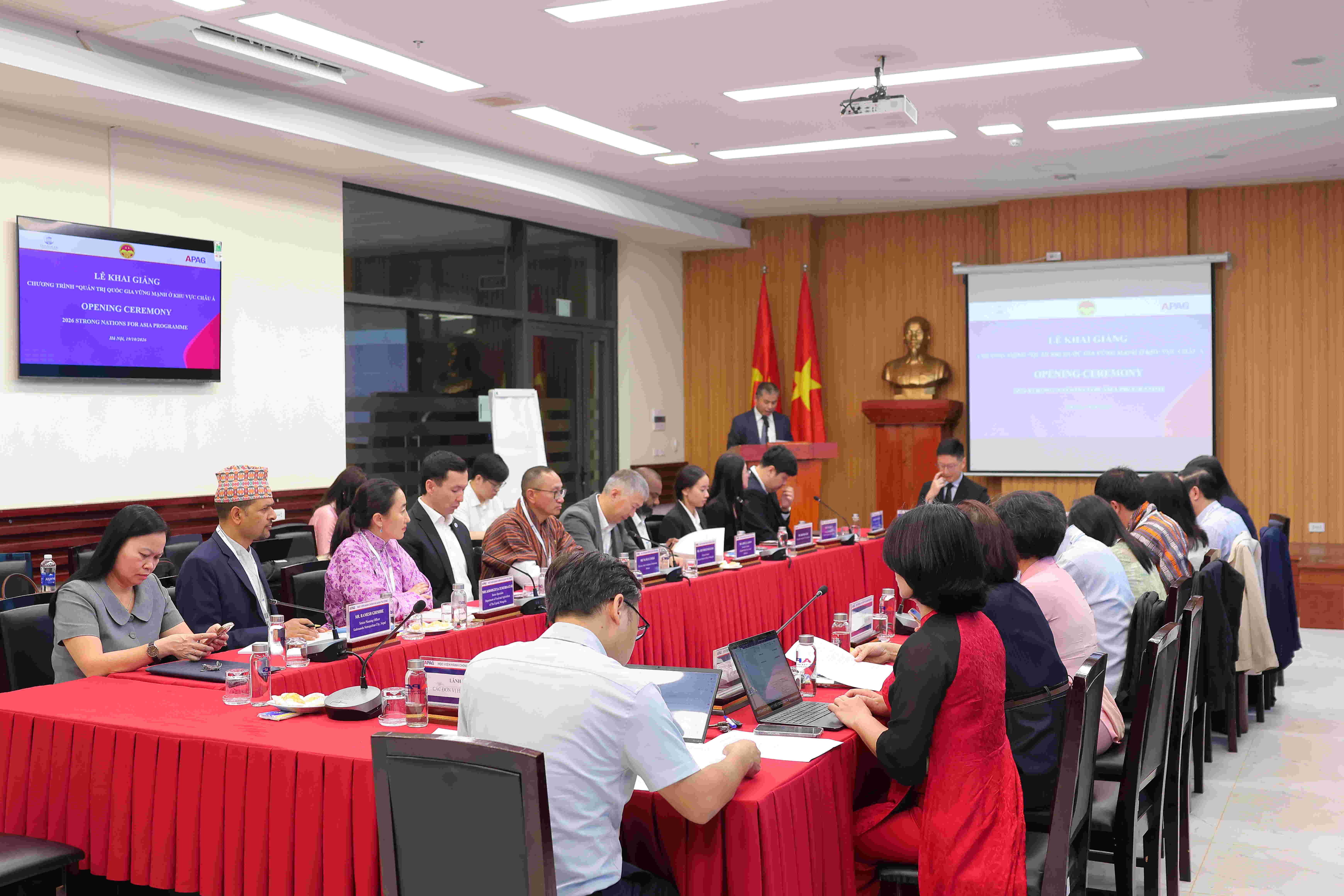 At the opening ceremony.
In his opening remarks, Dr. Bui Phuong Dinh emphasized that development experience shows that a country's strength and prosperity are determined not only by its economic size, resources, or existing advantages, but also depend fundamentally on the quality of its institutions and governance capacity. Governance capacity determines a country's ability to mobilize, allocate, and use resources; implement development choices; maintain stability; and strengthen public trust in the State.
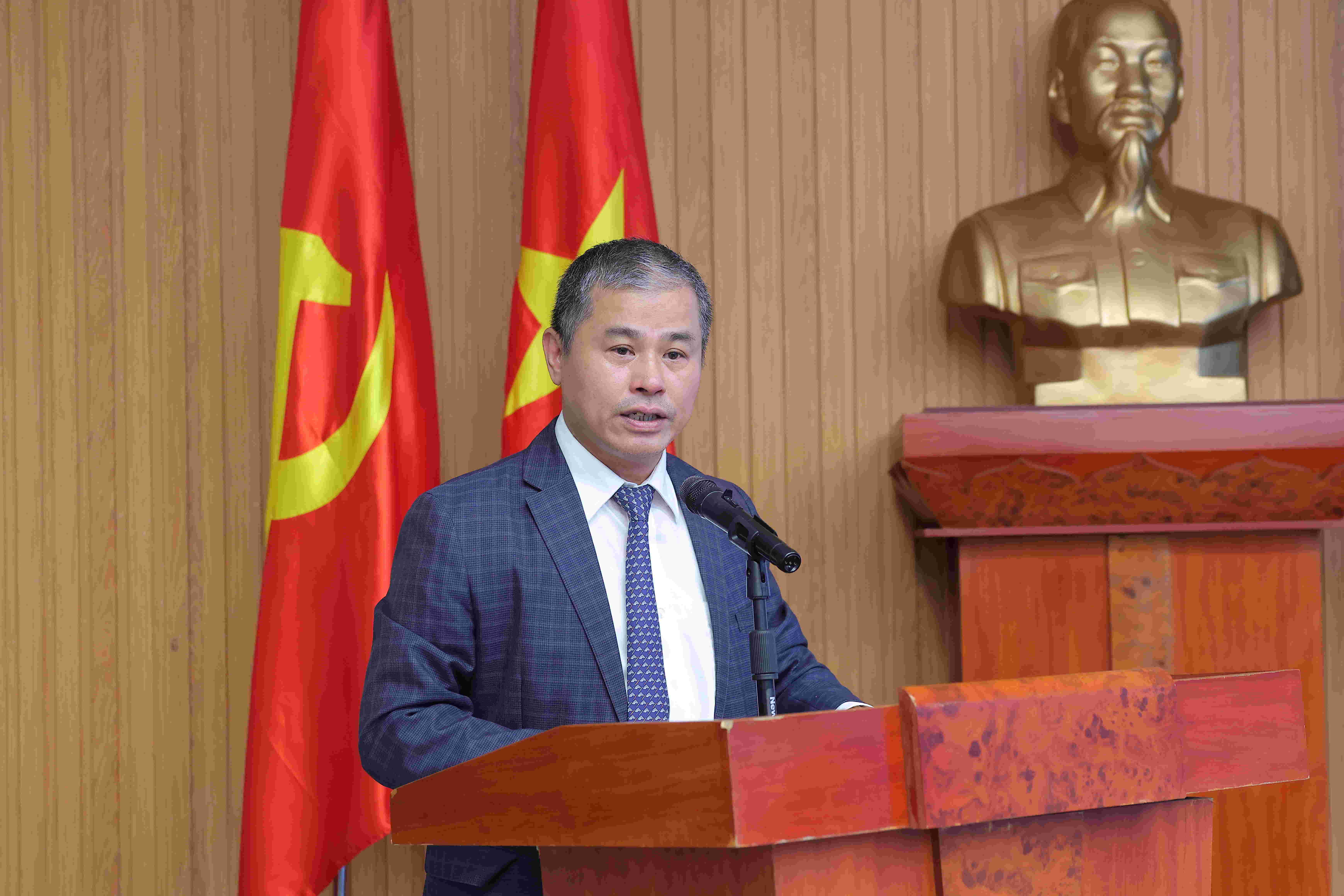 Dr. Bui Phuong Dinh, Vice President of APAG, delivers the opening remarks at the ceremony.
According to him, amid strategic competition, international economic volatility, climate change, and rapid technological advancement, particularly in artificial intelligence (AI), governments face growing demands to enhance their ability to identify challenges, set priorities, implement policies, and proactively prepare for future uncertainties. For Asian countries, strength is also reflected in their ability to adapt to change, safeguard development gains, and translate policy visions into tangible outcomes for their citizens.
Turning to Viet Nam, he noted that 2026 marks the 40th anniversary of the Doi Moi (Renewal) reforms. Over this period, Viet Nam has achieved significant progress in economic development, people's living standards, and international integration, while accumulating valuable experience in institutional reform and governance innovation. Today, reforms to the organizational structure of the public administration, the operation of the two-tier local government system, digital transformation, and innovation continue to raise practical questions concerning decentralization and devolution of authority, implementation capacity, inter-agency coordination, and the quality of services provided to citizens and businesses.
Against this backdrop, he expressed his expectation that the Programme would provide a platform for participants to exchange ideas and engage in critical discussions grounded in their respective national experiences. While no single governance model is suitable for every country, countries can learn from one another in how they define problems, formulate policy choices, organize implementation, and make adjustments as circumstances change.
Speaking at the opening ceremony, Mr. Ho Wei Jiang, Dean of CAG, expressed his appreciation for the collaboration with APAG in delivering the first Strong Nations for Asia Programme in Ha Noi.
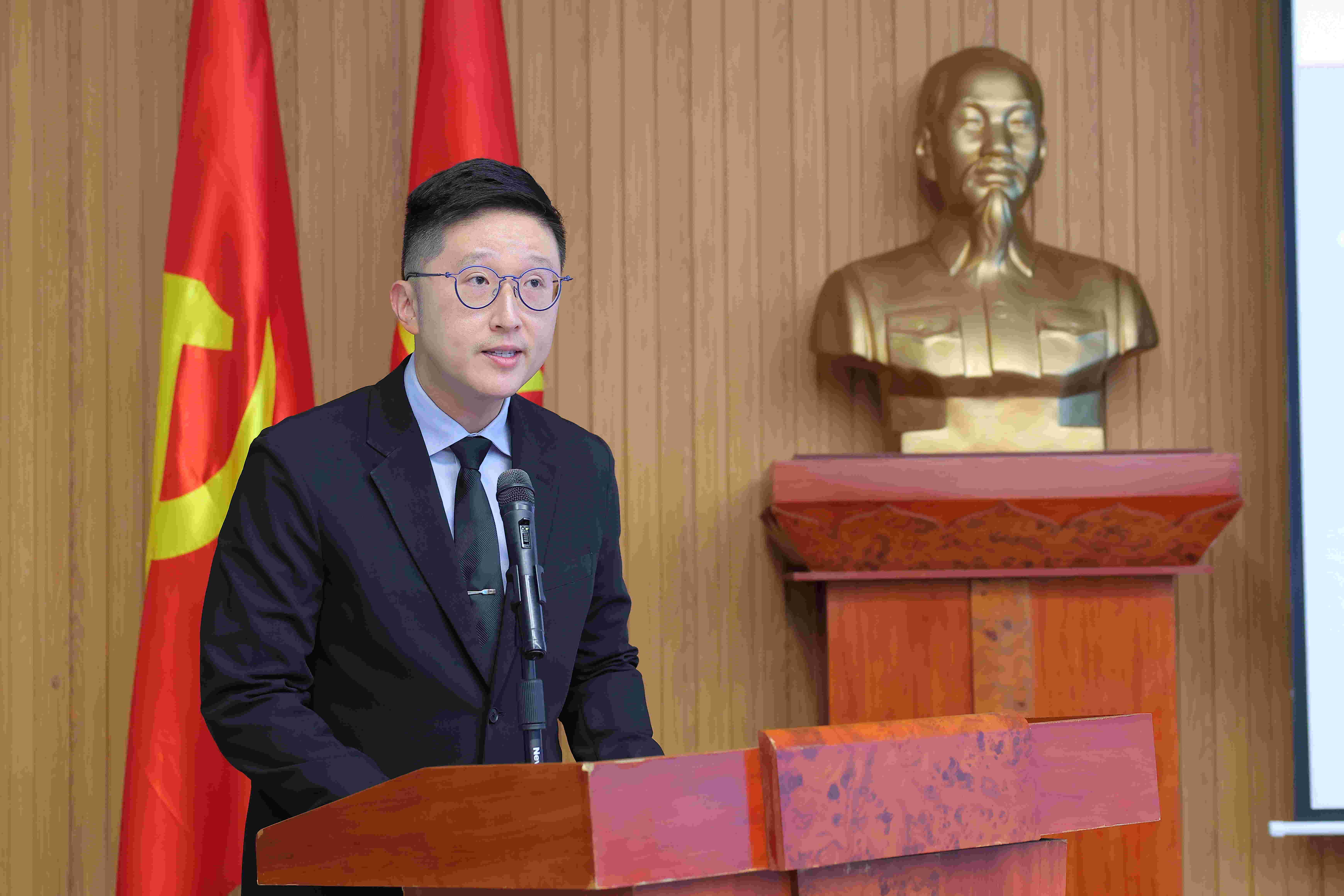 Mr. Ho Wei Jiang, Dean of CAG, delivers his remarks at the ceremony.
Mr. Ho Wei Jiang noted that the participants came from countries with diverse sizes, histories, cultures, and levels of development, and held different positions across the public sector. What united them was their commitment to public service and their shared responsibility to help institutions and governments address current challenges while preparing for those that lie ahead.
Reflecting on the origins of the Programme, Mr. Ho Wei Jiang explained that the Strong Nations initiative had previously been delivered through multiple cohorts in Africa, providing public-sector leaders with opportunities to exchange experiences, explore different approaches to governance, and build professional relationships extending beyond the classroom. This experience demonstrated a particular value of international leadership programmes: participants learn not only from experts but also from the practical experiences of their peers from other countries.
Building on this foundation, Strong Nations has expanded to Asia. Mr. Ho Wei Jiang stressed that there is no single Asian model of governance, nor should countries seek to establish one. The diversity of institutional arrangements, administrative traditions, and development trajectories across countries represents an important source of knowledge and mutual learning.
As governments increasingly confront similar questions concerning public trust, inter-agency coordination, technology, adaptive capacity, and leaders' responsibility for long-term public interests, the Programme does not seek to prescribe a single model for all participants to adopt. Instead, participants are encouraged to examine candidly what has worked, what has not, and why, and then identify lessons that can be adapted to their own national contexts.
A key feature of the Programme is that each participant brings a Governance Challenge drawn from their own professional environment. These real-world challenges serve as a common thread throughout all three programme components, enabling participants to continually relate the knowledge, models, and experiences they acquire to practical questions: What can be applied? What needs to be adapted? And what may not be appropriate for their country's context?
The 2026 Programme consists of three components. The first is being held in Viet Nam from 19 to 23 October 2026, focusing on vision, strategic thinking, and strategic planning in public governance. The second will take place online from 9 to 13 November 2026, with a focus on leadership development. The third will be held in Singapore from 30 November to 4 December 2026, focusing on policy implementation, performance management, integrity culture, and innovation.
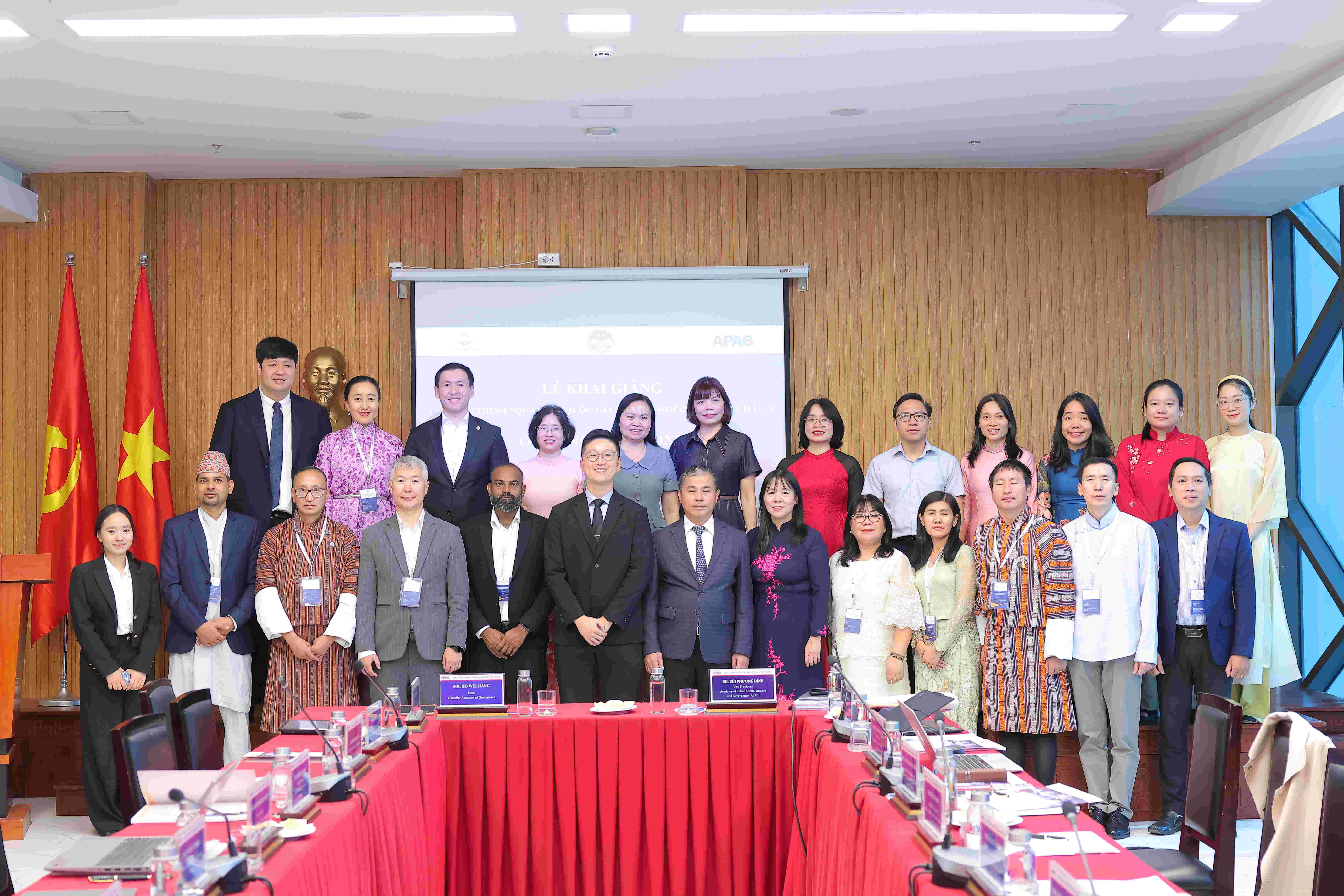 Delegates and participants at the opening ceremony of the Programme.
During the Viet Nam component, participants will have opportunities to explore practical issues arising from the country's reform and development process through thematic sessions, discussions with experts, and field-based learning activities. This approach aims to connect broader national governance challenges with the specific choices, decisions, and implementation capacities of government.
Mr. Ho Wei Jiang also encouraged participants to share both their successes and difficulties in governance, ask questions proactively, challenge familiar assumptions, and remain open to different approaches. He noted that the Programme's ultimate value would not be measured solely by the discussions held in Ha Noi, online, or in Singapore, but also by the ideas put into practice, the changes initiated, and the collaborative relationships sustained after the Programme concludes.
The Strong Nations for Asia Programme is jointly implemented by APAG and CAG to develop a network of capable senior public-sector leaders across Asia who demonstrate innovative thinking and a commitment to promoting effective and sustainable national governance. It also provides a platform for knowledge exchange, experience-sharing, and the exploration of governance models across countries.
For APAG, co-organizing the Programme not only expands its cooperation with CAG but also promotes academic exchange, the sharing of practical experience, and connections among leaders and managers directly involved in national governance and development across Asia. It also offers an opportunity to share Viet Nam's reform experience while drawing on advanced governance knowledge and practices from countries across the region.
One key message underscored throughout the opening ceremony was that strong nations need strong institutions, and strong institutions require leaders with clear goals, a commitment to continuous learning, and the ability to look beyond the confines of their current positions in fulfilling their responsibilities to society and future generations.
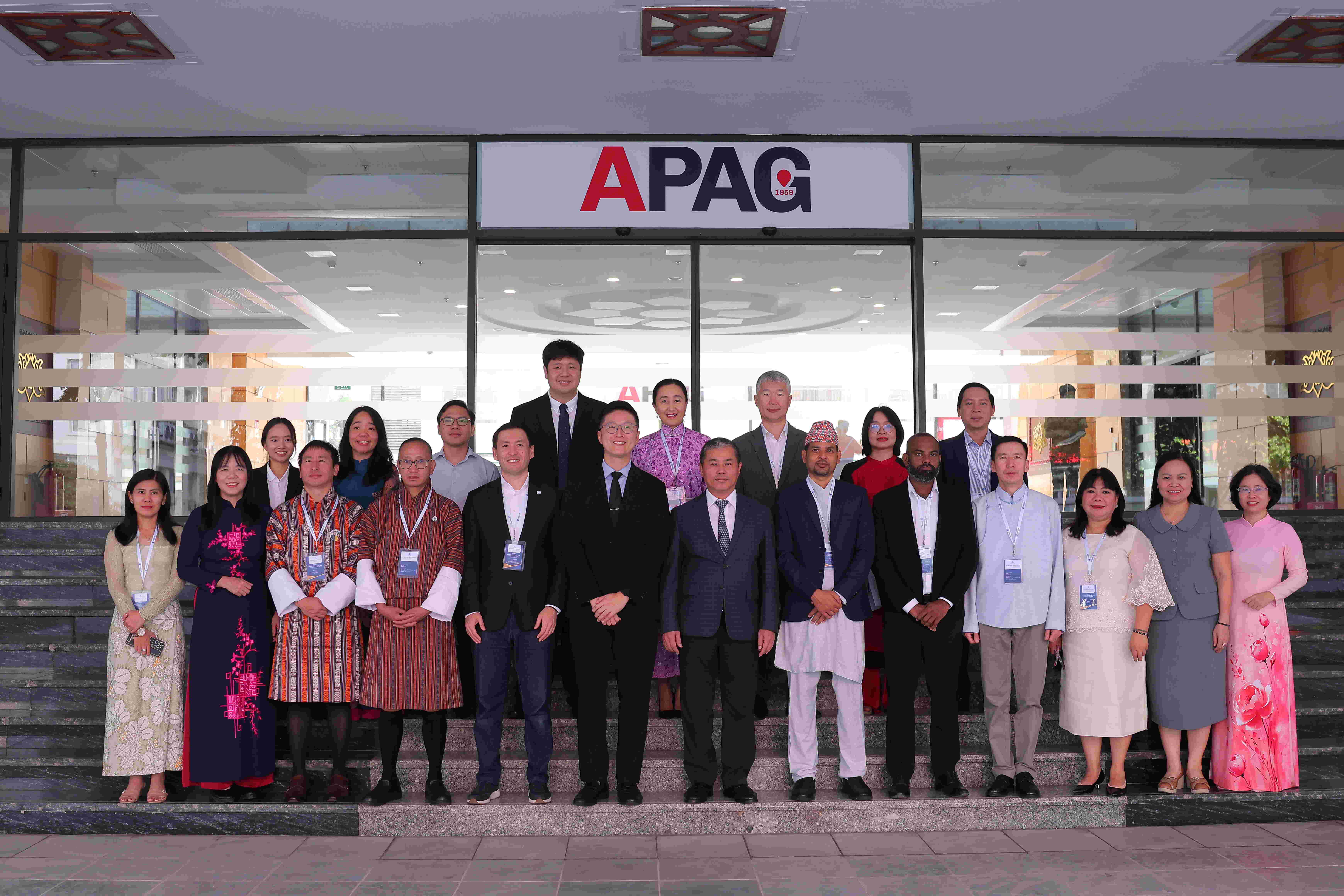 Dr. Bui Phuong Dinh and Mr. Ho Wei Jiang with delegates and participants at the opening ceremony.