From the afternoon of May 8 to May 9, 2026, in Hanoi, the Ho Chi Minh National Academy of Politics coordinated with the Hanoi City Party Committee and the Party Committee of Suoi Hai Commune to organize a Training Class on capacity building and practical situational problem-solving methods for leaders and managers of Suoi Hai Commune, Hanoi City. This is the first pilot training class for commune-level cadres in the context of deploying the two-tier local government model, aiming to improve the capacity for governance, administration, and handling practical issues at the grassroots level
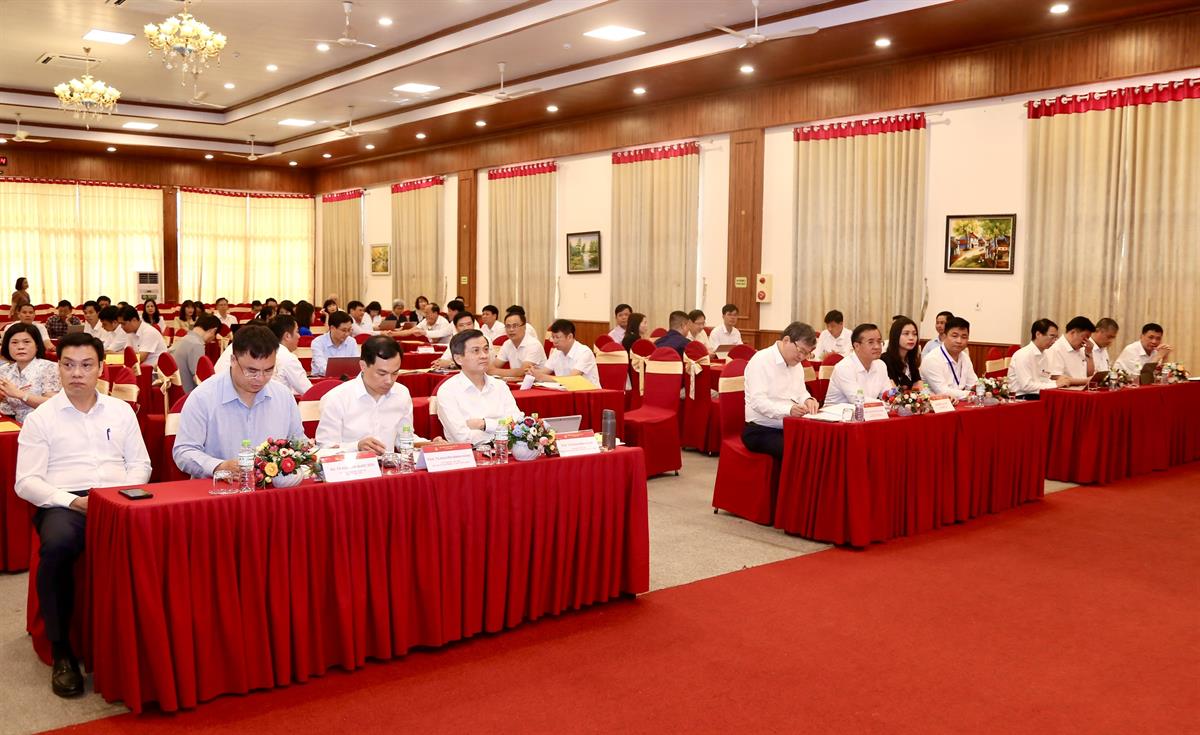 Delegates attending the Opening Ceremony
Attending the Opening Ceremony were Prof. Dr. Doan Minh Huan, Member of the Politburo and President of the Ho Chi Minh National Academy of Politics; Assoc. Prof. Dr. Nguyen Duy Bac, Vice President of the Ho Chi Minh National Academy of Politics; Assoc. Prof. Dr. Nguyen Manh Hung, Vice President of the Ho Chi Minh National Academy of Politics and Vice Chairman of the Central Theory Council; Prof. Dr. Nguyen Quoc Suu, Assistant to the Politburo Member and President of the Ho Chi Minh National Academy of Politics; Mr. Do Manh Hung, Secretary of the Party Committee and Chairman of the People's Council of Suoi Hai Commune, Hanoi City; representatives of leaders from units under the Ho Chi Minh National Academy of Politics; leaders of the People's Councils and People's Committees of Suoi Hai Commune, Quang Oai Commune, Yen Bai Commune, and Ba Vi Commune (Hanoi City); along with all trainees participating in the Training Class.
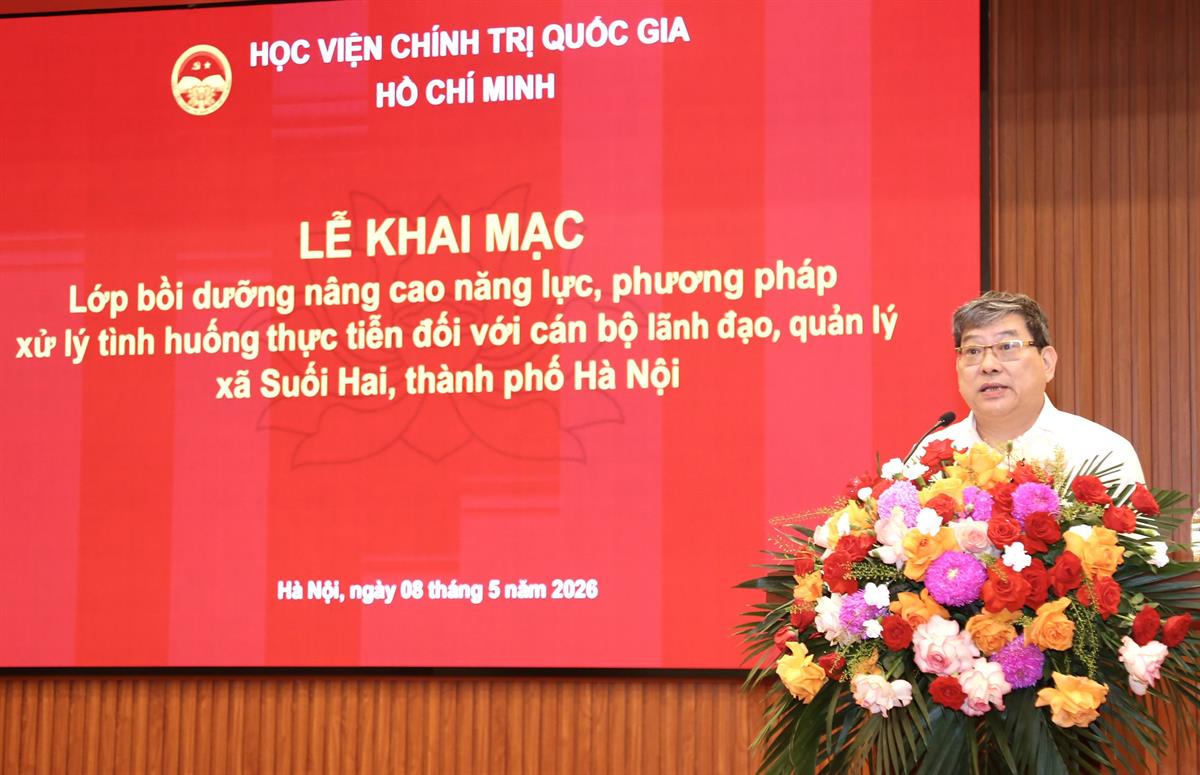 Assoc. Prof. Dr. Nguyen Duy Bac, Vice President of the Ho Chi Minh National Academy of Politics, delivering the opening speech
Delivering the opening speech, Assoc. Prof. Dr. Nguyen Duy Bac, Vice President of the Ho Chi Minh National Academy of Politics, emphasized that in the two-tier local government model, the commune level is not only an administrative tier executing tasks but is increasingly becoming a subject of developmental governance locally. This requires grassroots cadres to innovate their leadership mindset, enhance their executive capacity and practical situational problem-solving skills, and adapt to the requirements of modern governance and digital transformation.
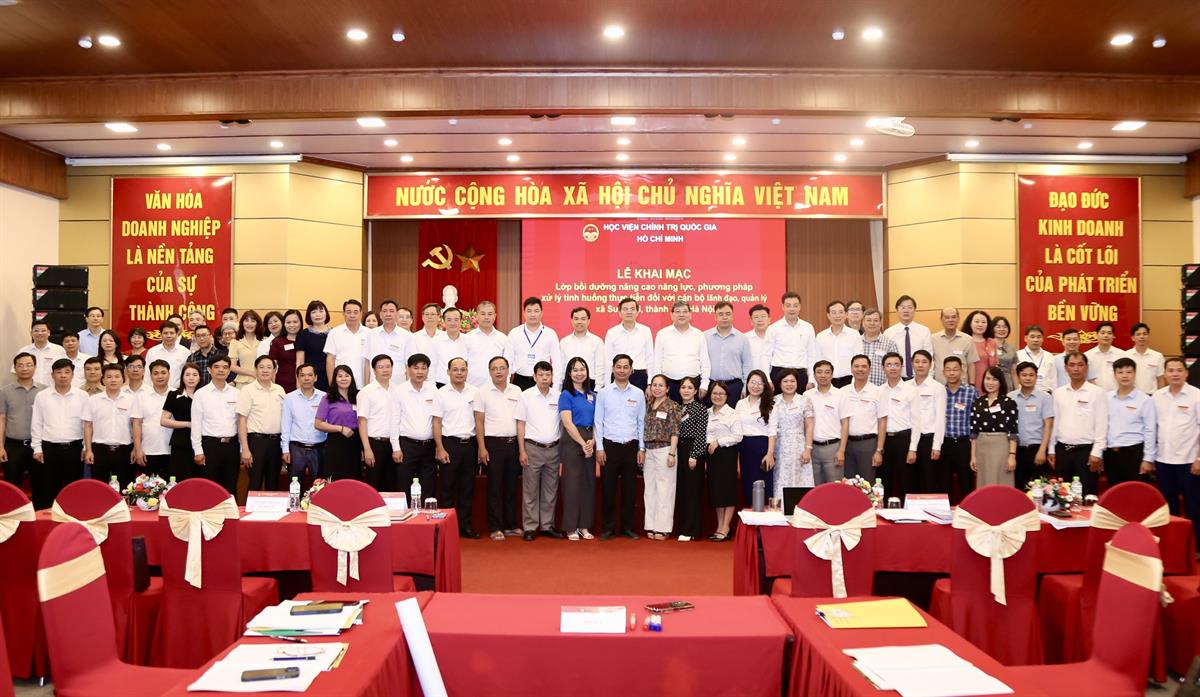 Delegates taking commemorative photos
With a "practice-centered" orientation, the training program is designed in an open format, enhancing exchange, dialogue, and discussion on practical situations. Within the framework of the class, trainees were introduced to, exchanged views on, and discussed 06 in-depth topics directly focusing on the current issues of commune-level governance.
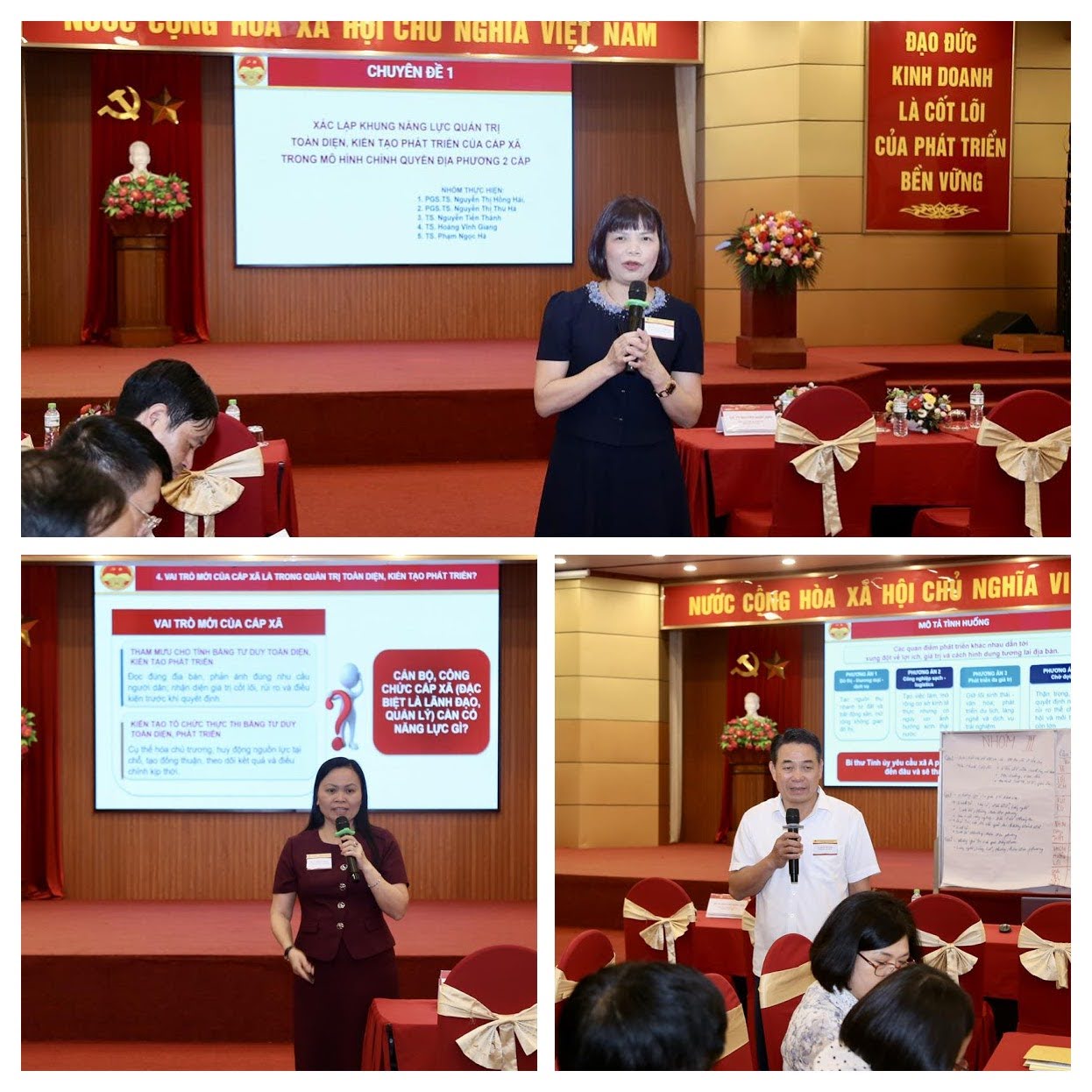 Lecturer reporting on Topic 1
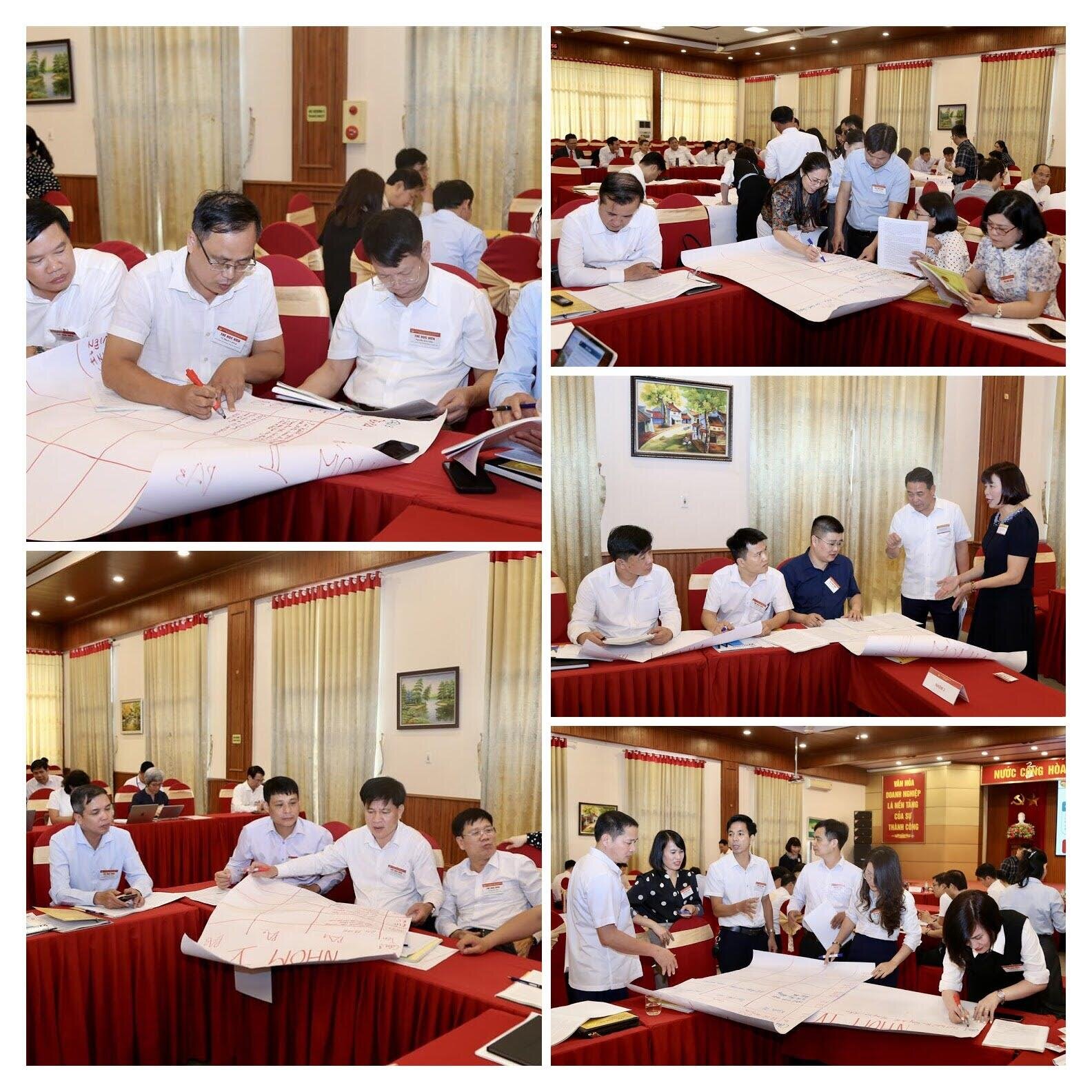 Groups of trainees discussing and solving hypothetical situations
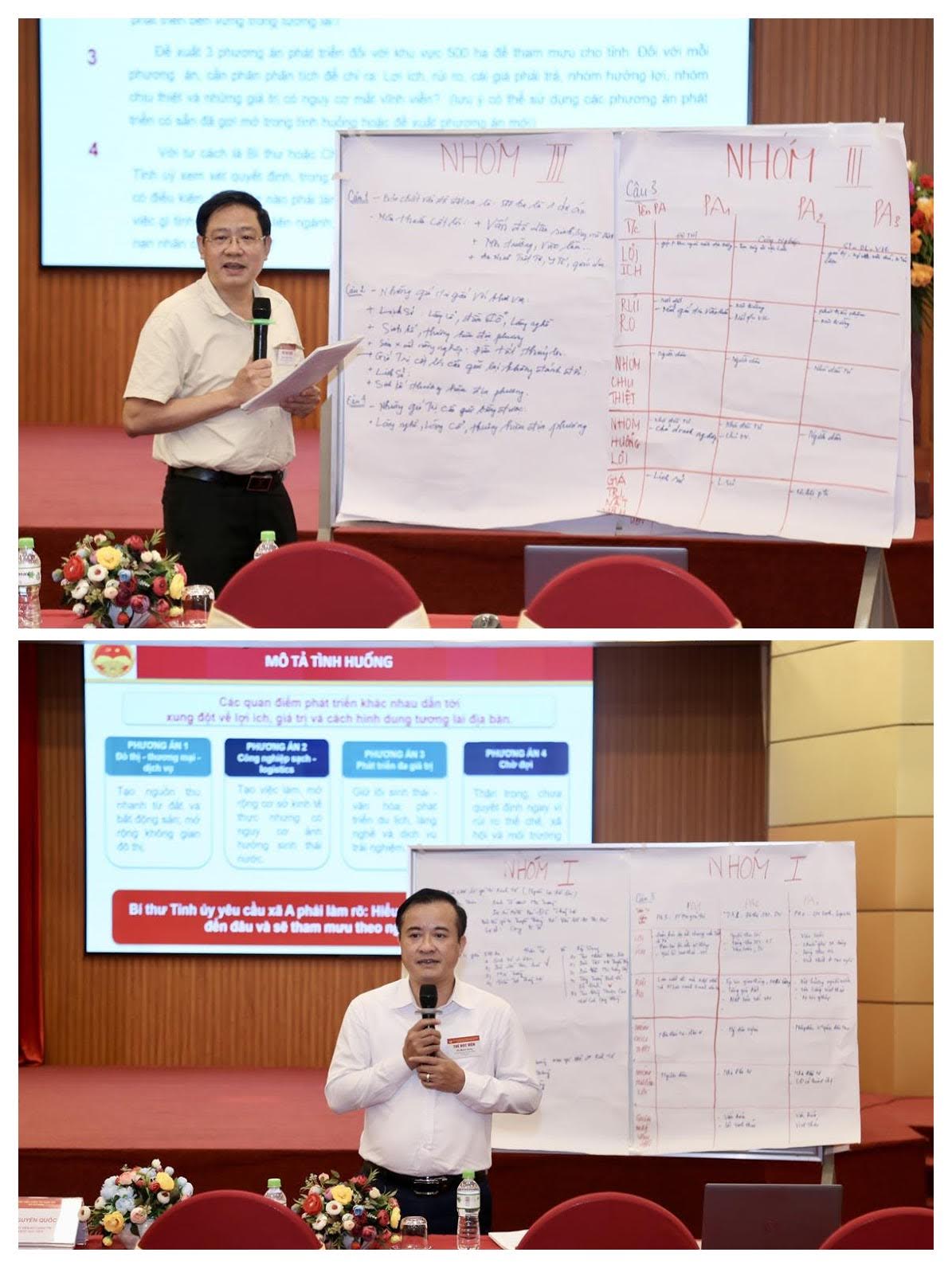 Trainee representatives presenting the group's discussion results and situational solutions
Topic 1: "Establishing a comprehensive, development-enabling governance competency framework for the commune level in the two-tier local government model" focused on analyzing the requirement to shift the mindset from administrative management to developmental governance. It clarified the core competency groups that commune-level cadres need in the new context, including development-enabling capacity, resource coordination, inter-sectoral governance, and adaptability to change.
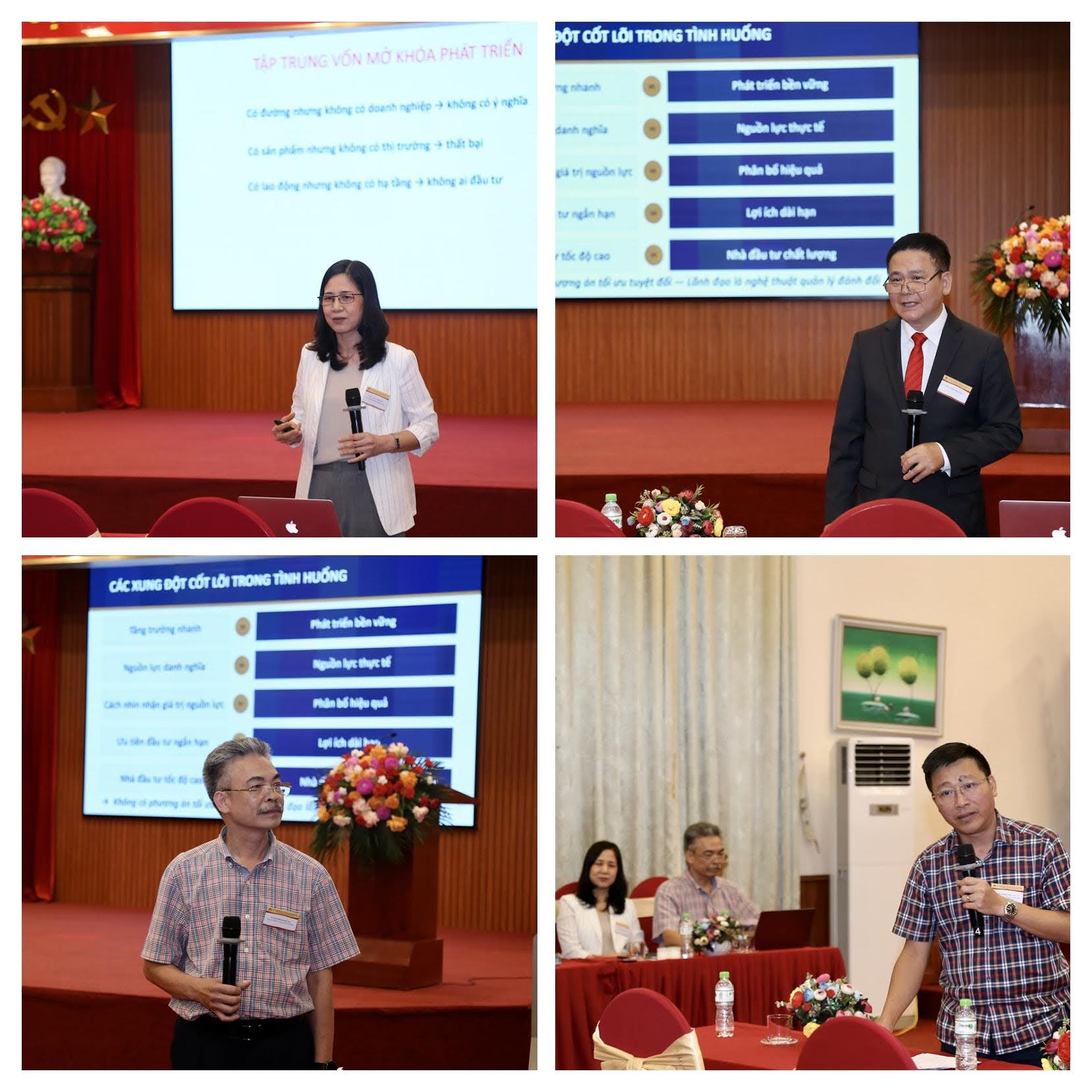 Lecturer reporting on Topic 2
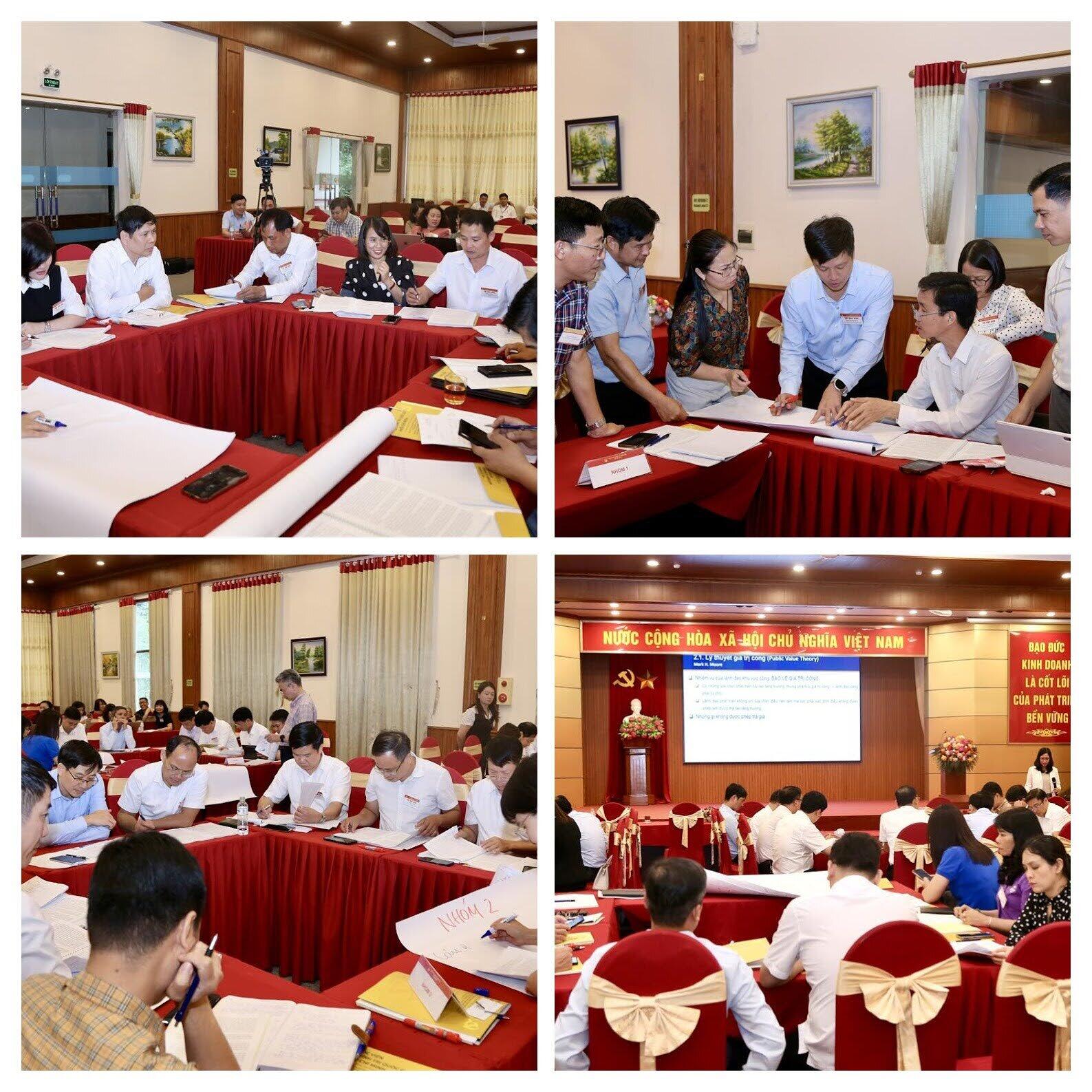 Groups of trainees discussing and solving hypothetical situations
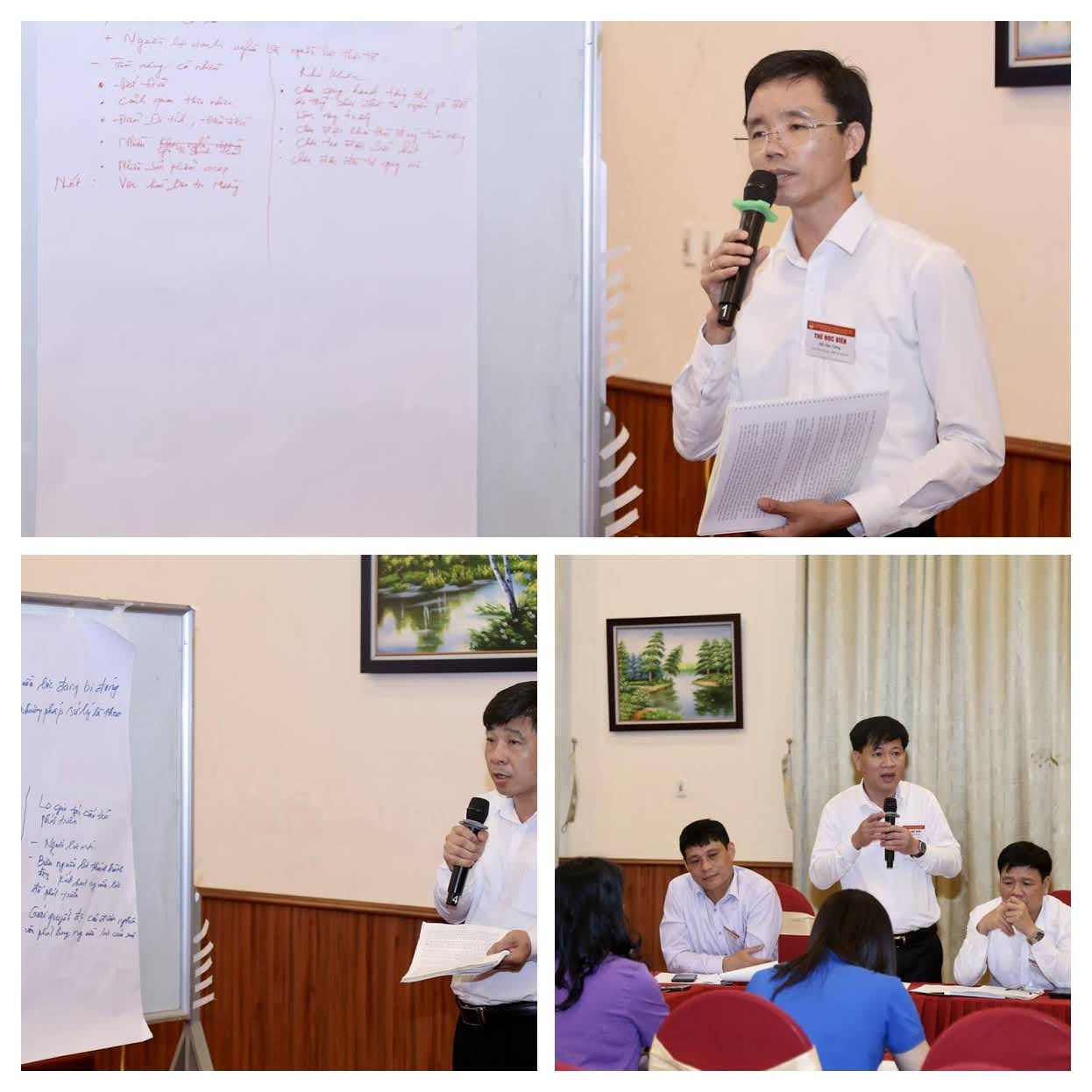 Trainee representatives presenting the group's discussion results and situational solutions
Topic 2: "Leadership and executive capacity for development at the commune level facing double-digit growth demands" emphasized the role of the commune level in promoting local socio-economic development. It also discussed goal-oriented executive thinking, implementation organization capacity, social resource mobilization, and building a sustainable development environment right from the grassroots level.
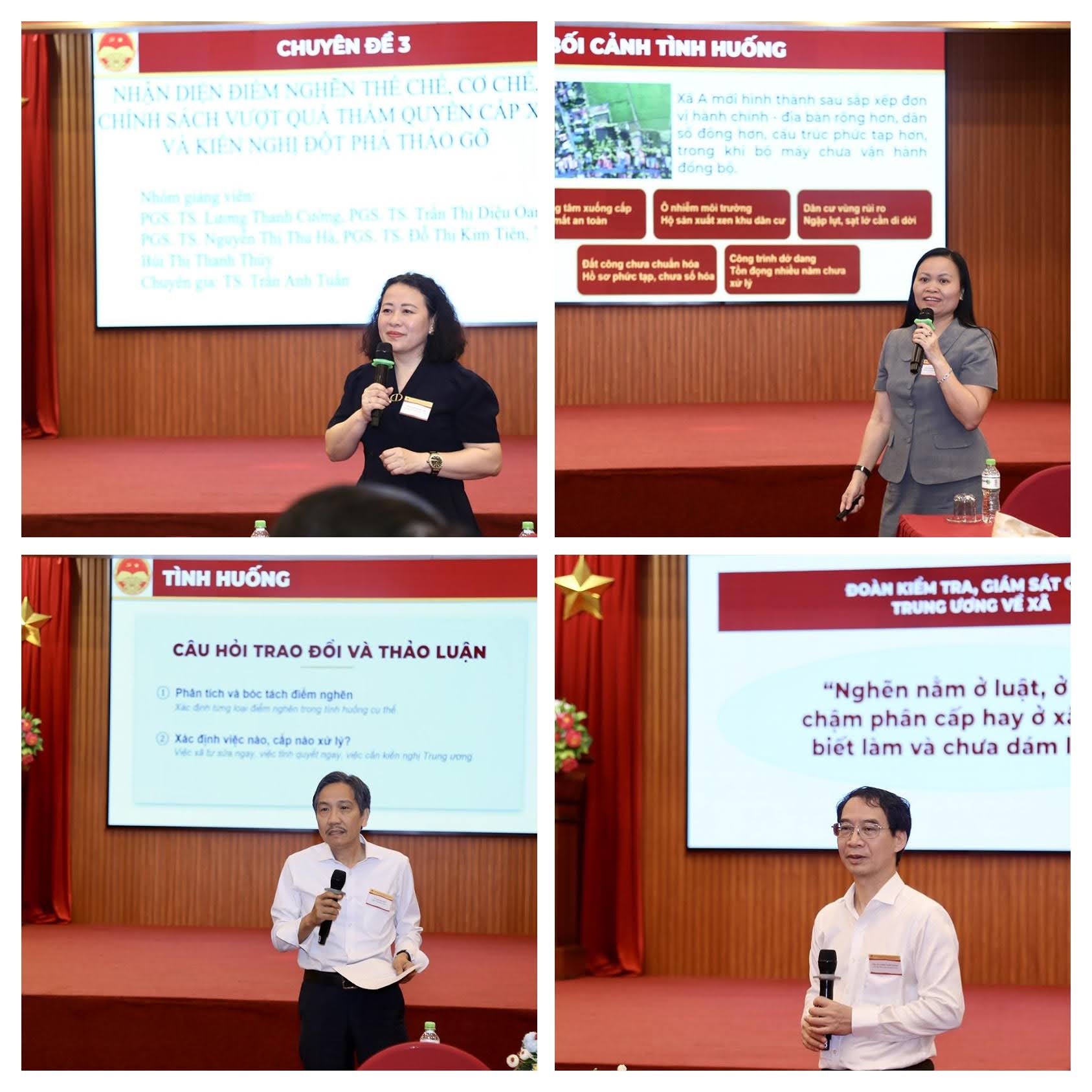 Lecturer reporting on Topic 3
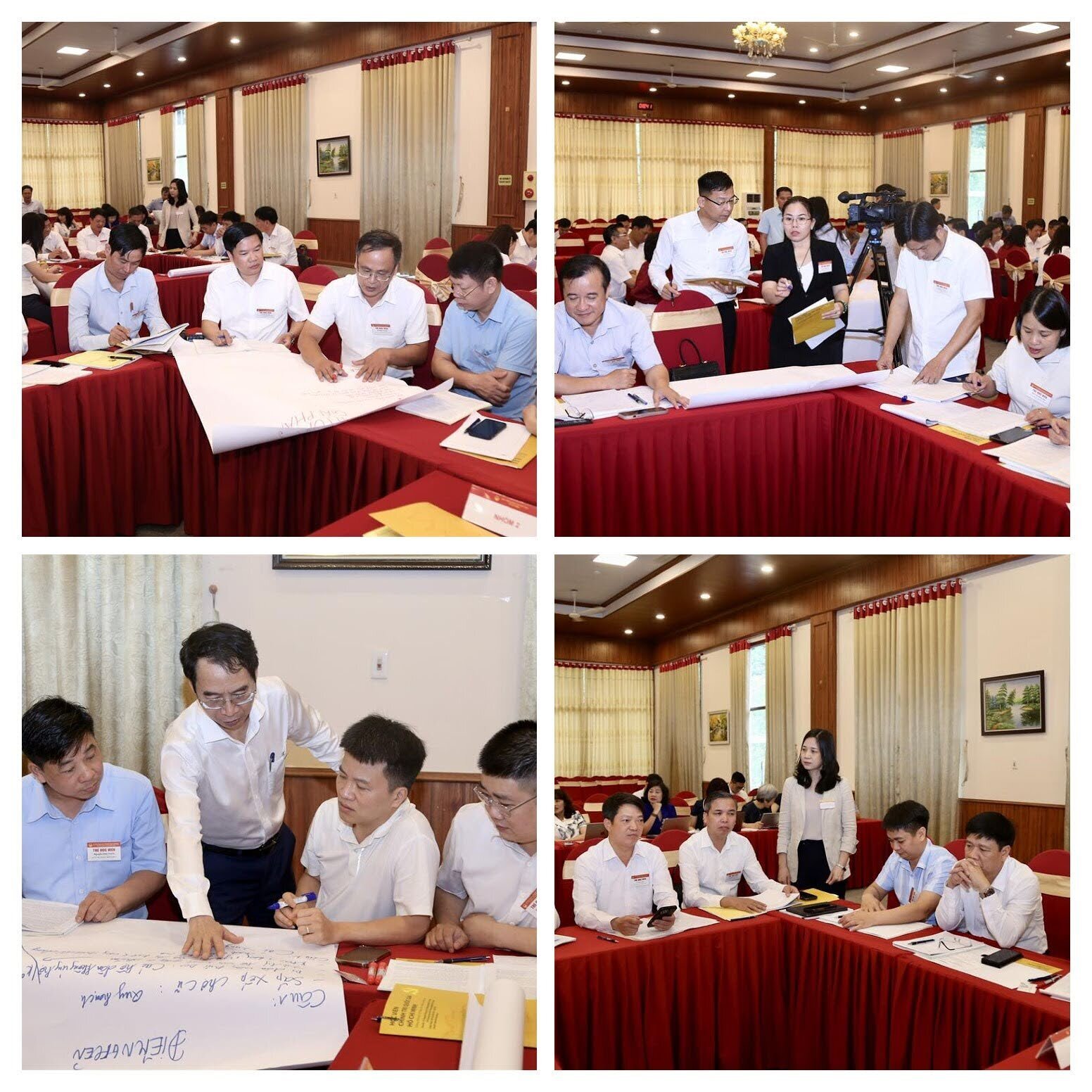 Groups of trainees discussing and solving hypothetical situations
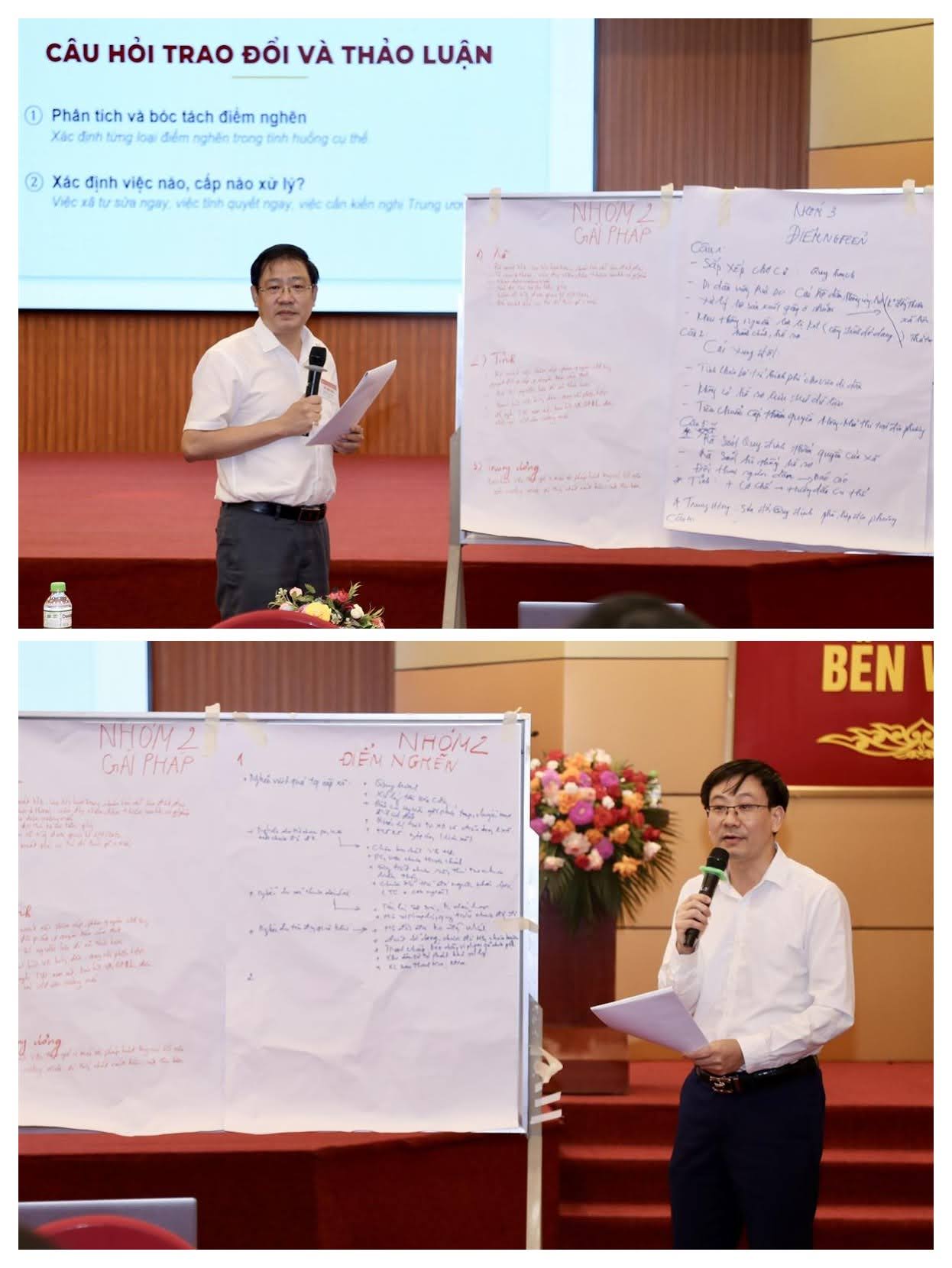 Trainee representatives presenting the group's discussion results and situational solutions
Topic 3: "Identifying institutional, mechanism, and policy bottlenecks beyond commune authority and proposing breakthrough solutions" focused on analyzing common difficulties and obstacles that grassroots authorities face during task implementation. Based on local realities, trainees and experts discussed and proposed many solutions to perfect the decentralization and power-delegation mechanisms, increasing the proactivity of the commune level in governance and development administration.
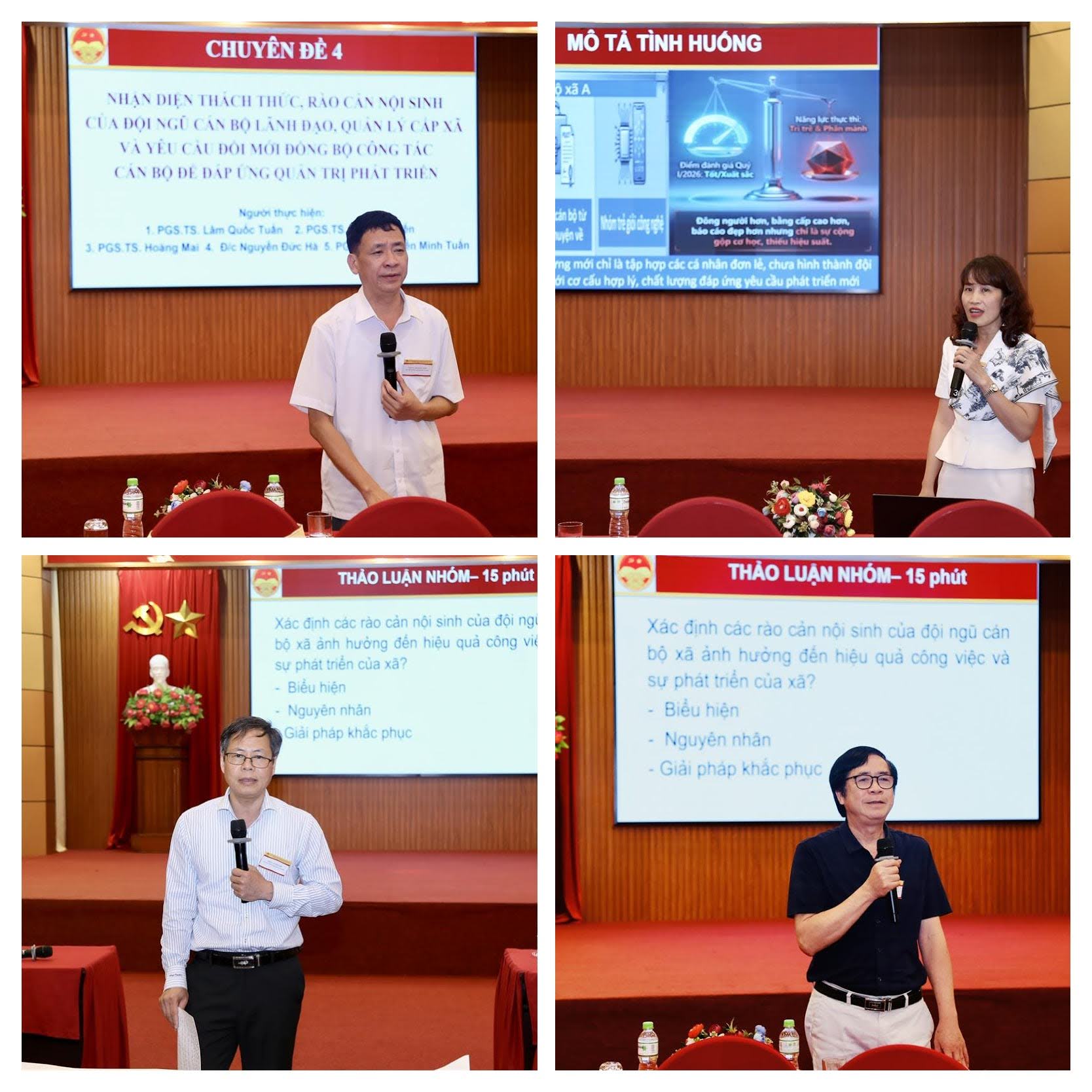 Lecturer reporting on Topic 4
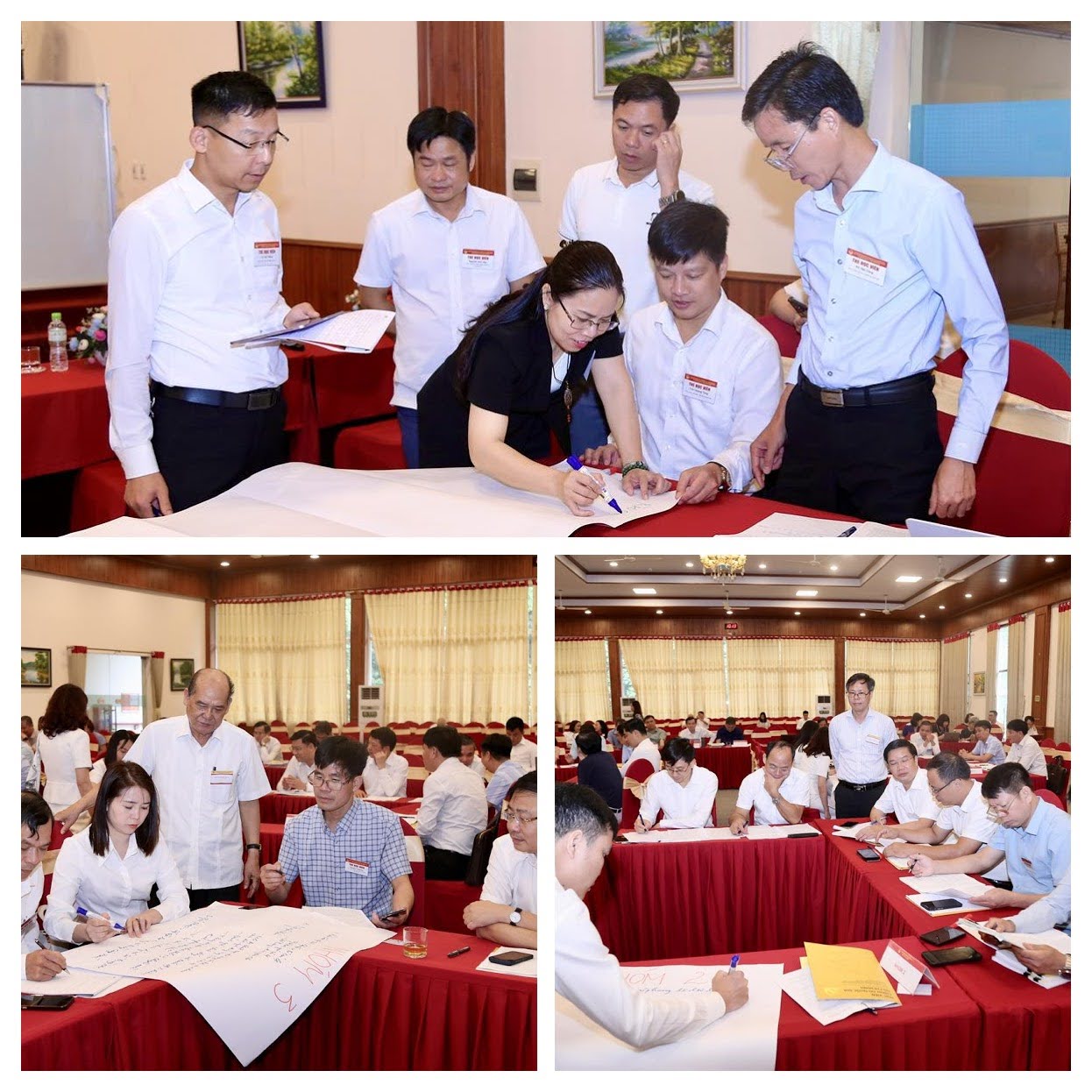 Groups of trainees discussing and solving hypothetical situations
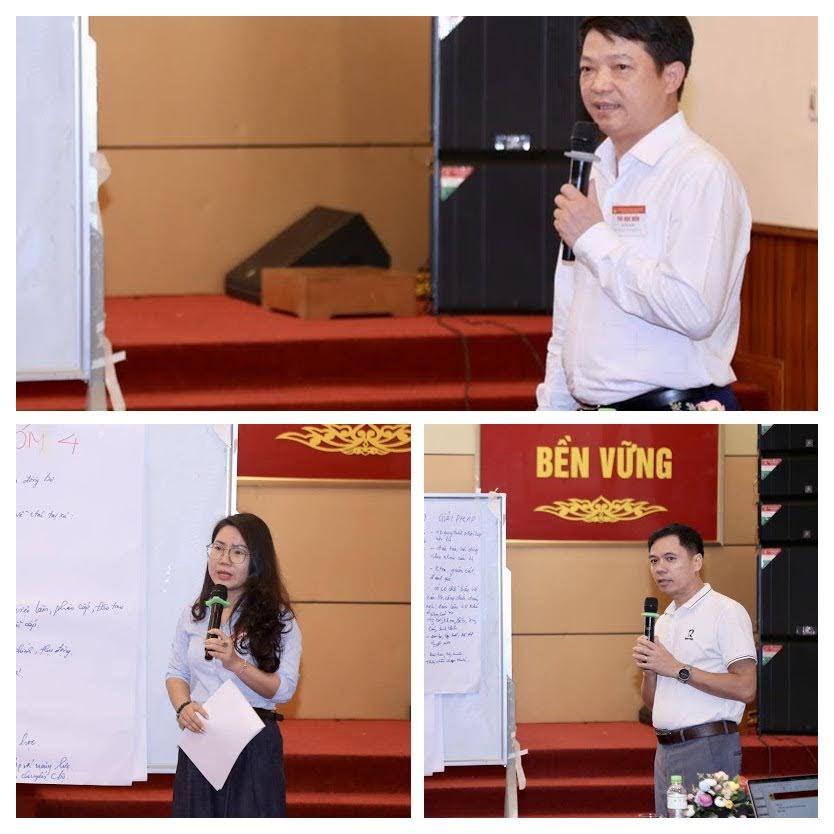 Trainee representatives presenting the group's discussion results and situational solutions
A content of great interest to many trainees was Topic 4: "Identifying endogenous challenges and barriers of commune-level cadres and civil servants and the need for synchronous reform in personnel work to meet developmental governance." The topic focused on clarifying limitations in mindset, skills, adaptability, and the reluctance to innovate among a segment of grassroots cadres. It also emphasized the requirement to innovate the training, fostering, evaluation, and utilization of cadres in a substantive manner, meeting modern governance demands.
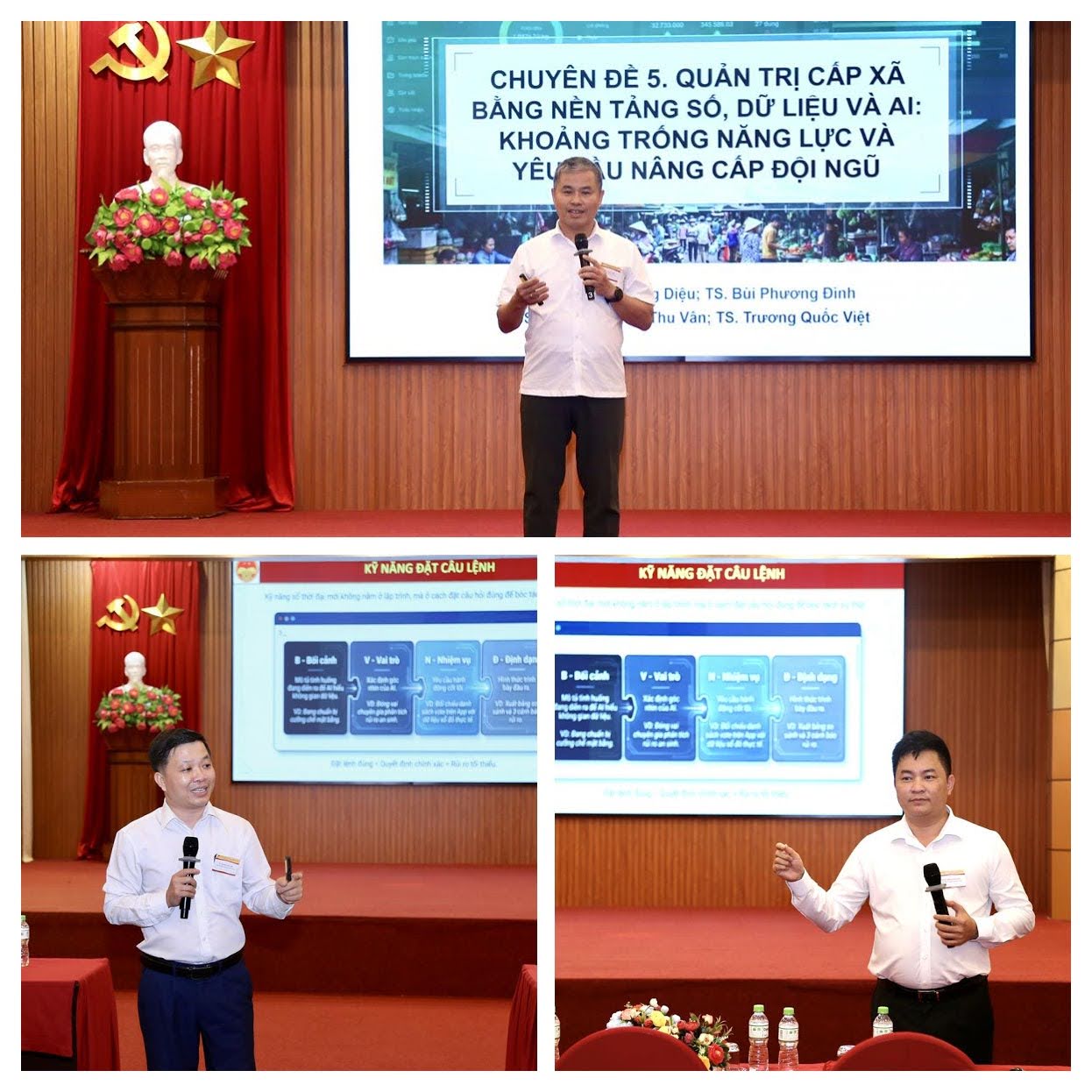 Lecturer reporting on Topic 5
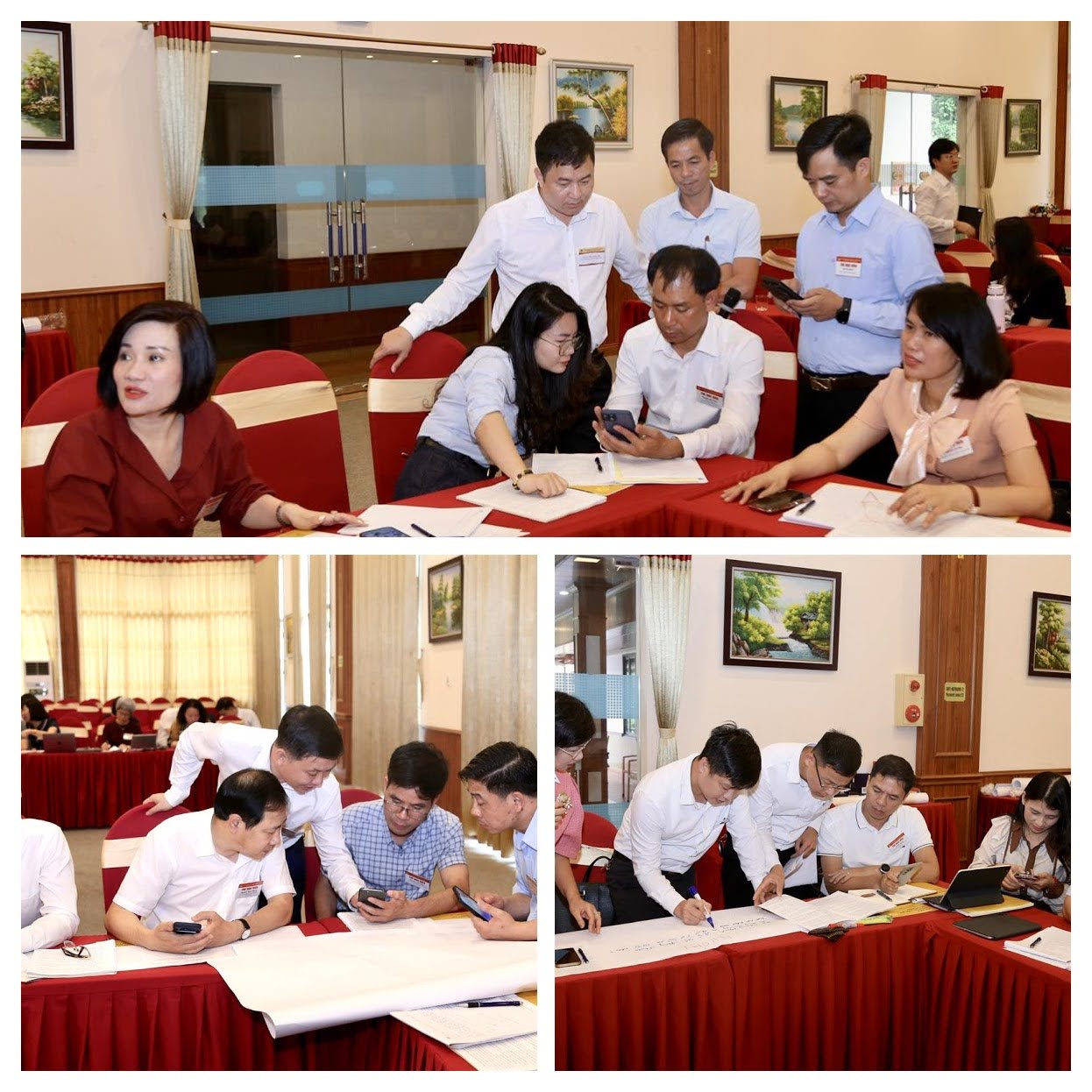 Groups of trainees discussing and solving hypothetical situations
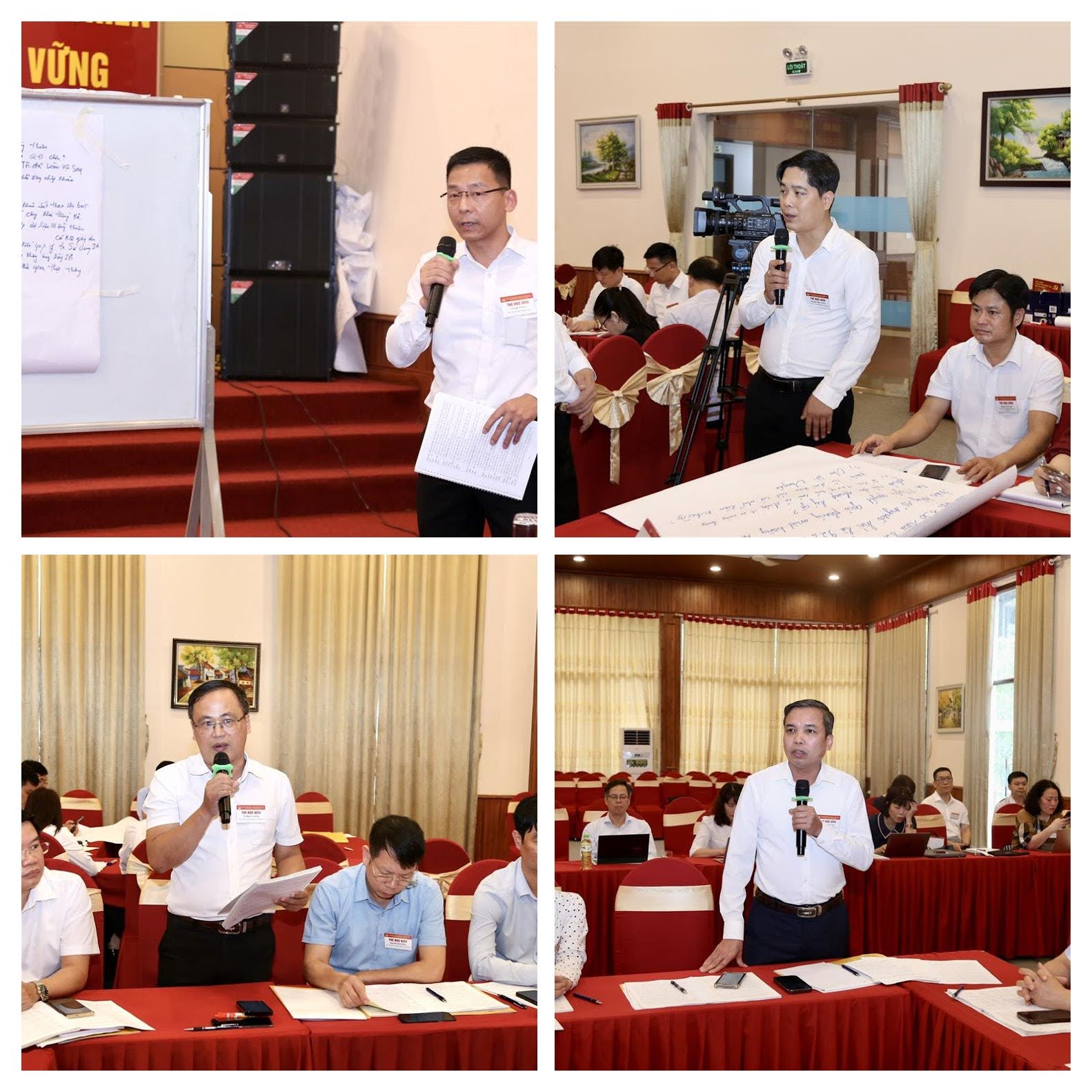 Trainee representatives presenting the group's discussion results and situational solutions
Amidst the strong digital transformation, Topic 5: "Commune governance using digital platforms, data, and AI: Capacity gaps and requirements for team upgrading" brought many new insights regarding digital governance at the grassroots level. Experts analyzed the role of data and artificial intelligence in improving governance efficiency, administrative reform, public service delivery, and decision-making support. They also pointed out urgent requirements for enhancing digital skills for commune-level cadres.
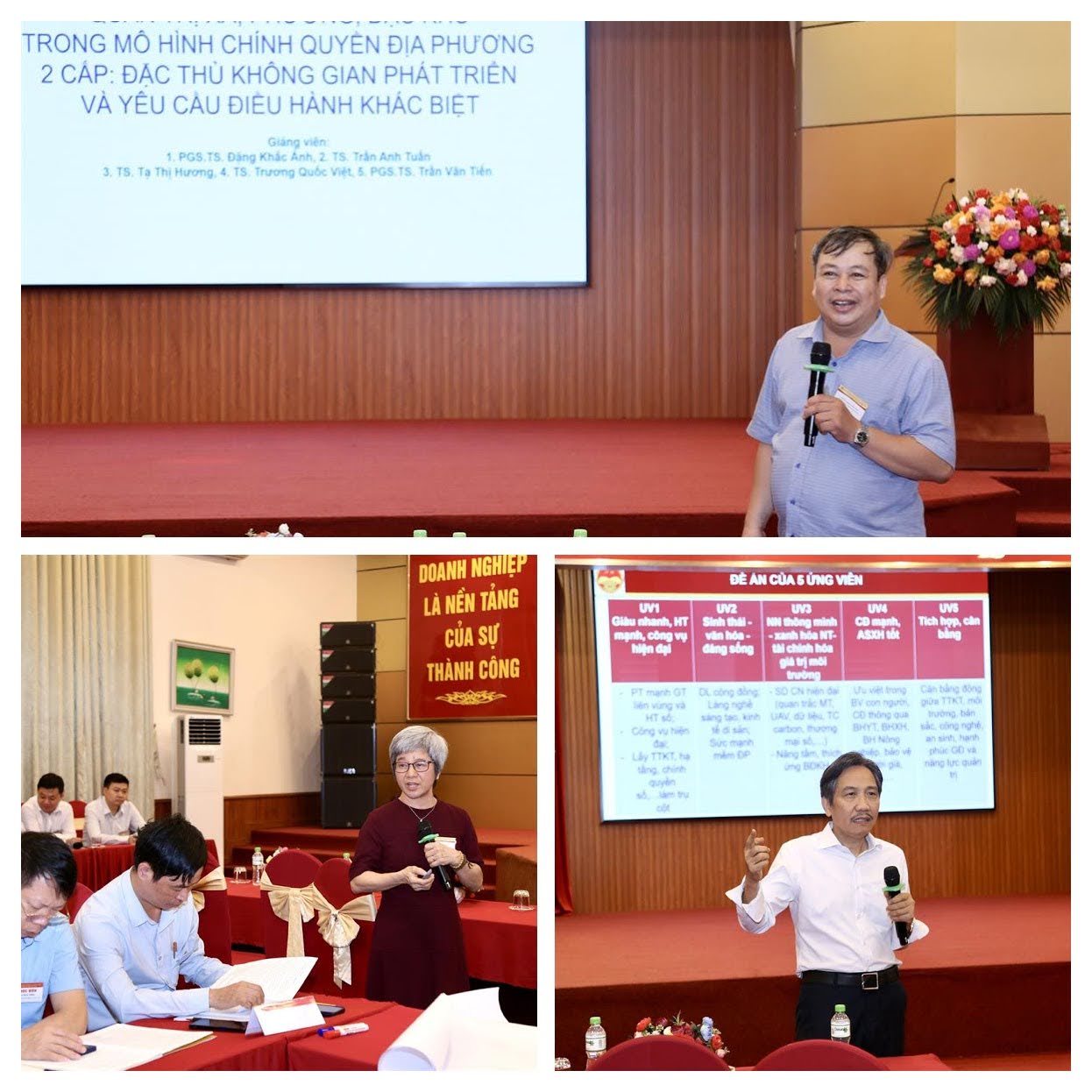 Lecturer reporting on Topic 6
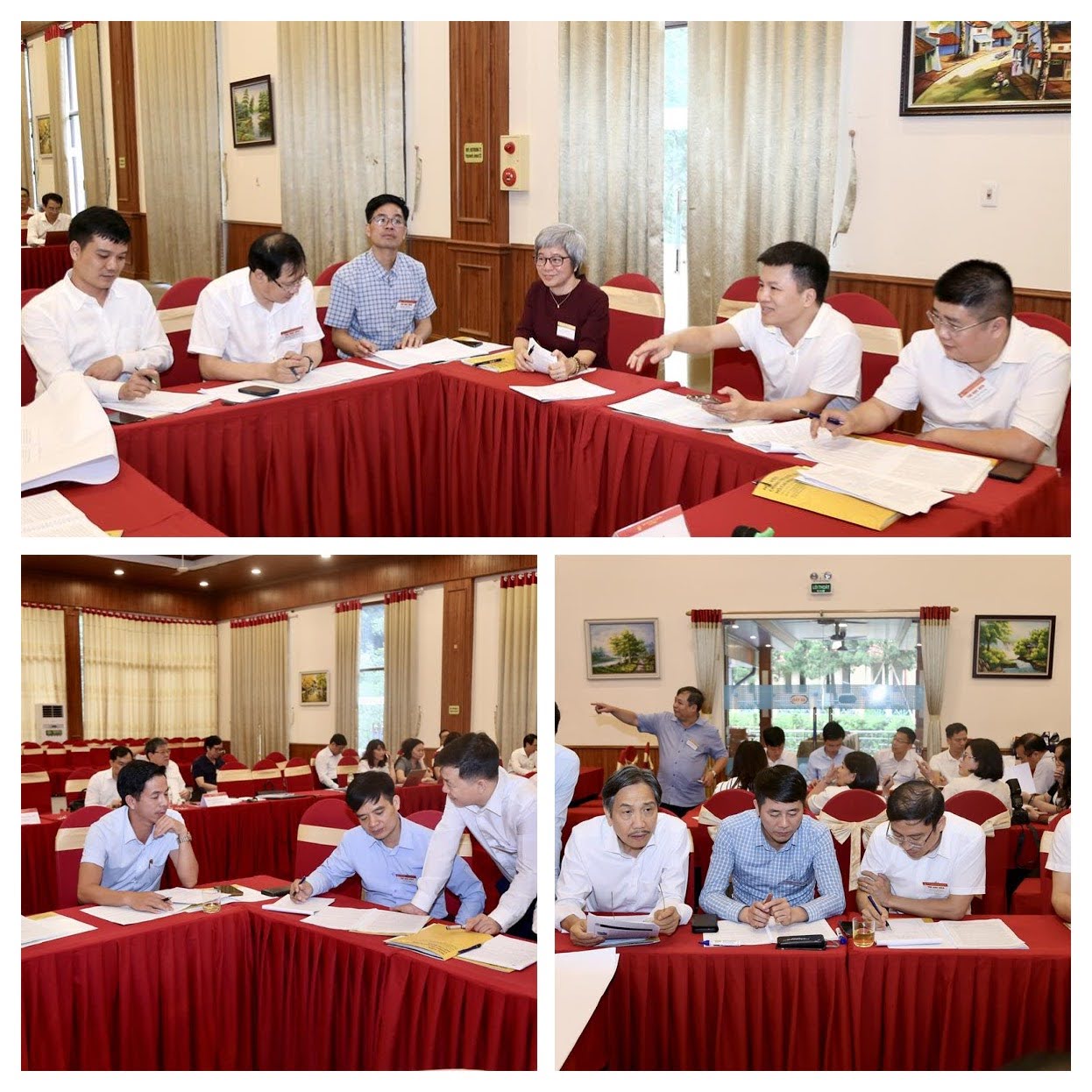 Groups of trainees discussing and solving hypothetical situations
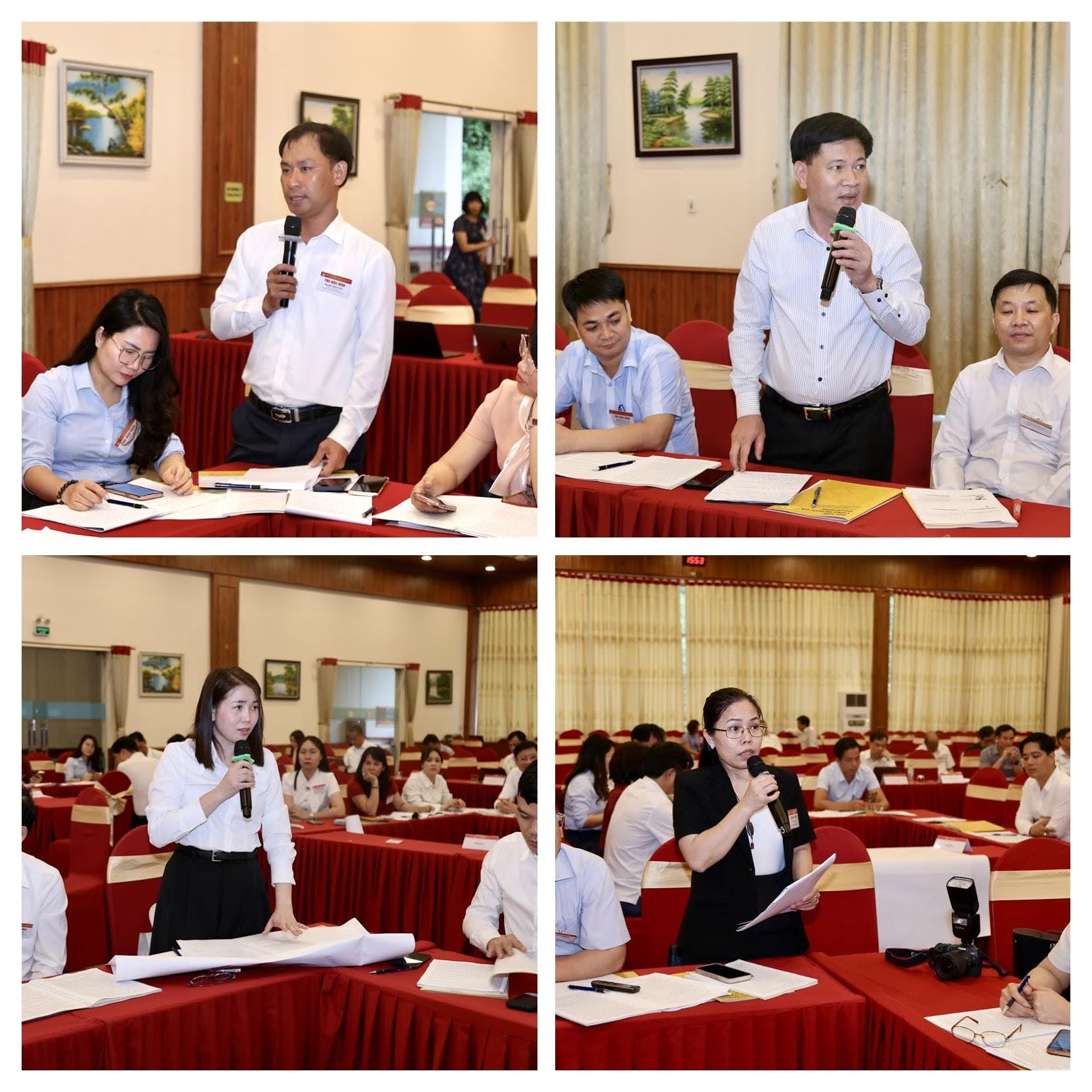 Trainee representatives presenting the group's discussion results and situational solutions
Concluding the series of topics, Topic 6: "Governance of communes, wards, and special zones in a two-tier local government model: Specific spatial development and distinct executive requirements" focused on discussing the differences in governance models between rural, urban, peri-urban areas, and regions with specific characteristics. Thereby, it emphasized the need to build flexible executive methods suitable for the developmental characteristics of each locality.
Not only accessing theoretical knowledge and practical experience, trainees also actively exchanged and discussed specific situations arising locally, sharing difficulties and obstacles in grassroots management and administration. The learning atmosphere was lively and open, closely linking theory with local governance practice.
The training class is a highly practical activity aimed at improving the quality of commune-level cadres in the current period. It simultaneously contributes to testing and perfecting the contents and methods of training and fostering grassroots cadres in a modern and practical direction, meeting the requirements of building a service-oriented, development-enabling administration in the new era.