On October 6, 2026, the 2026 Annual International Forum on Public Governance entered its second day of work at the Academy of Public Administration and Governance (77 Nguyen Chi Thanh, Hanoi), featuring 20 parallel thematic sessions. Discussions focused on 5 key topic clusters: development governance and sustainable development; digital government, artificial intelligence, and data governance; future-ready government and adaptive governance; leadership, public sector capacity, and emerging challenges; systemic transformation and institutional reform
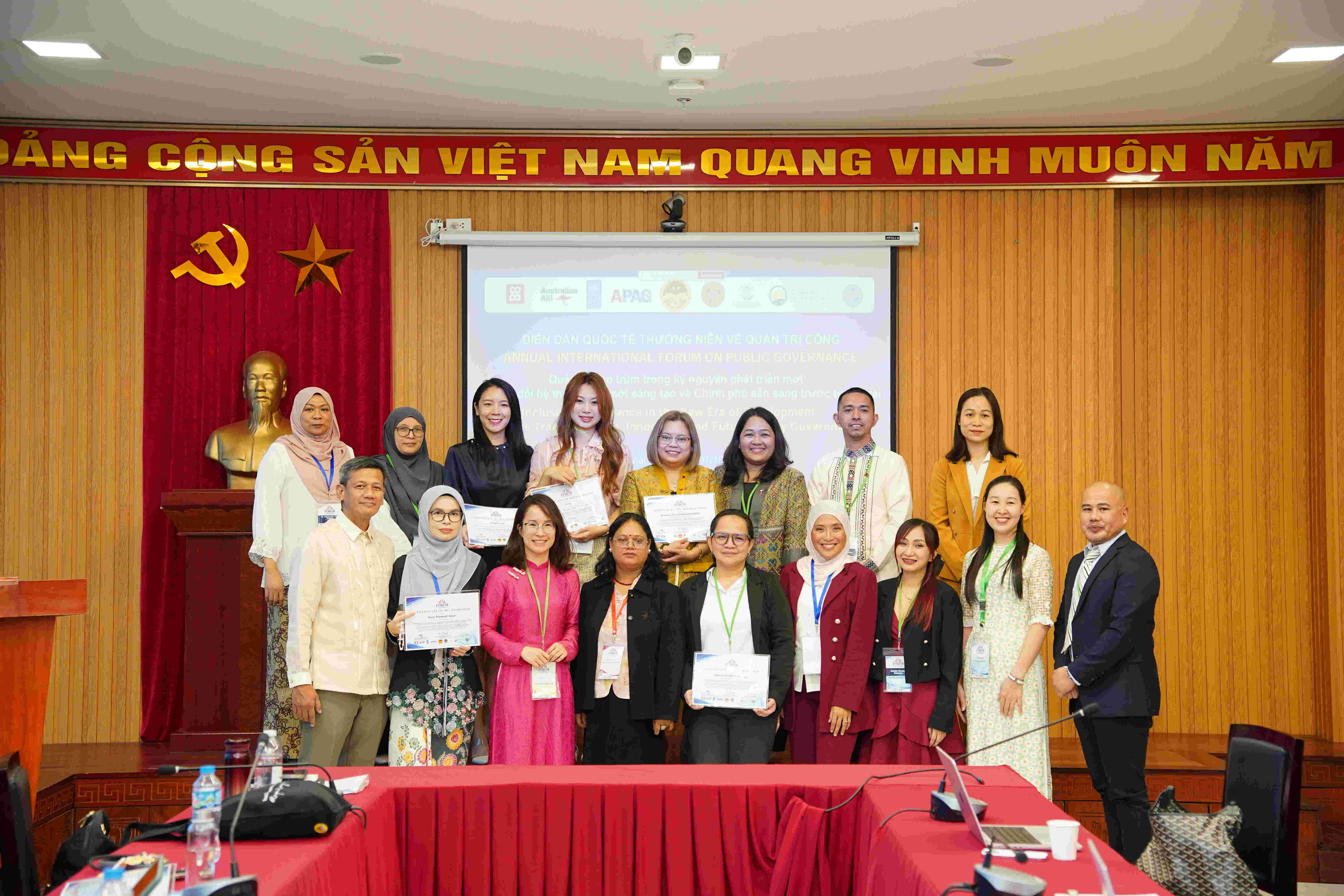
During the morning session, delegates, experts, and researchers from various countries discussed key public governance issues amidst digital transformation, climate change, inclusive development requirements, and rapid shifts in socio-economic environments. The presentations not only analyzed practical issues in individual countries but also suggested valuable approaches for governance innovation and public sector reform.
Development governance and sustainable development
In the "Development Governance and Sustainable Development" topic cluster, Sessions 1, 6, and 9 clarified the relationship between institutional capacity, financial resources, technology, community participation, and policy execution effectiveness.
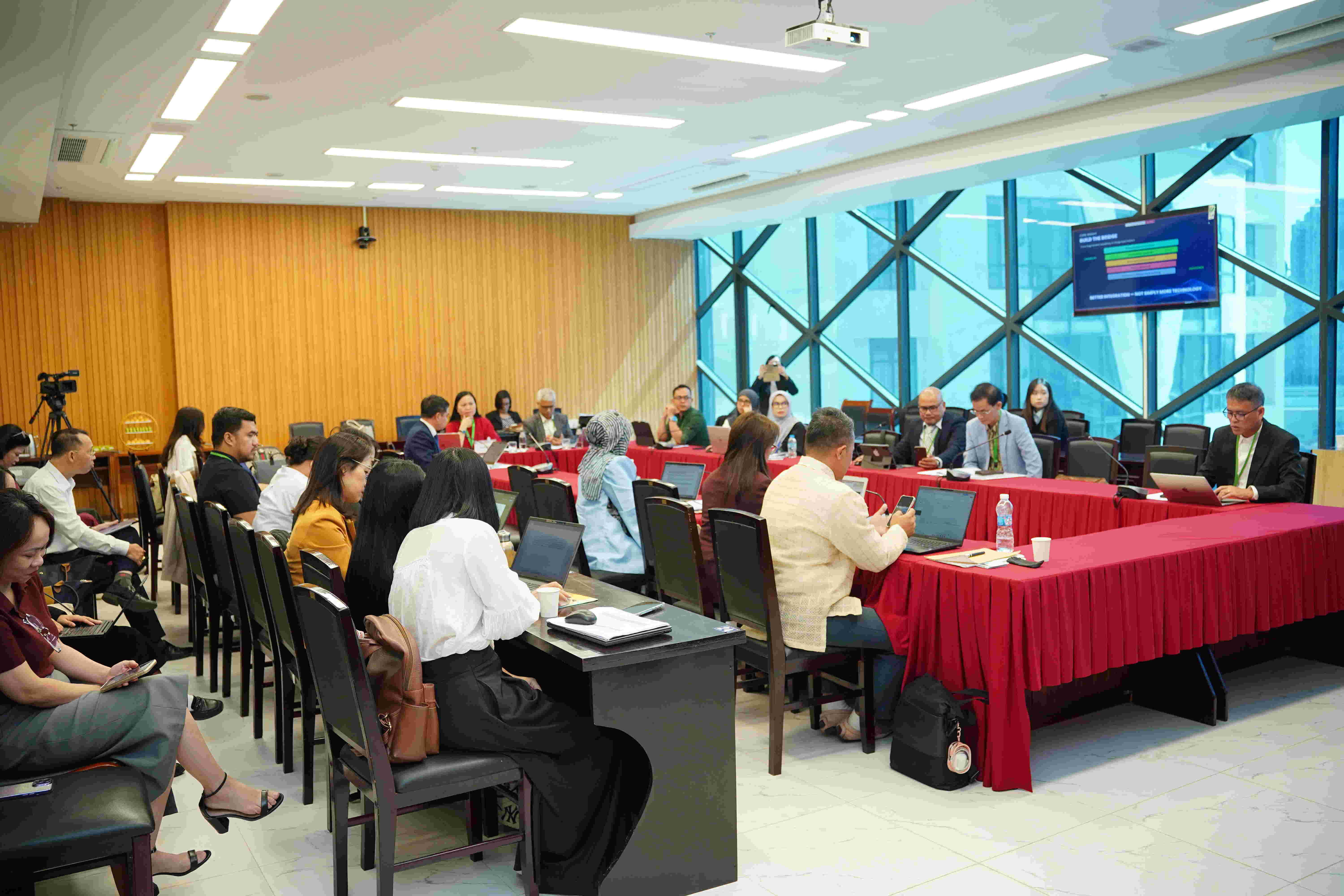 Overview of Session 1
Session 1 was co-moderated by Mr. Rajendra Adhikari (Nepal Administrative Staff College) and Assoc. Prof. Dr. Nguyen Thi Thu Ha (Academy of Public Administration and Governance), featuring 5 papers by experts from the Philippines, including Mr. Michael Malachy D. Dagami, Mr. Bensen Alex Urbano Pola, Ms. Norhamen S. Abdulkadir, Ms. Jamille Vanessa E. Saplagio, and Ms. Eminel Jane M. Alvior.
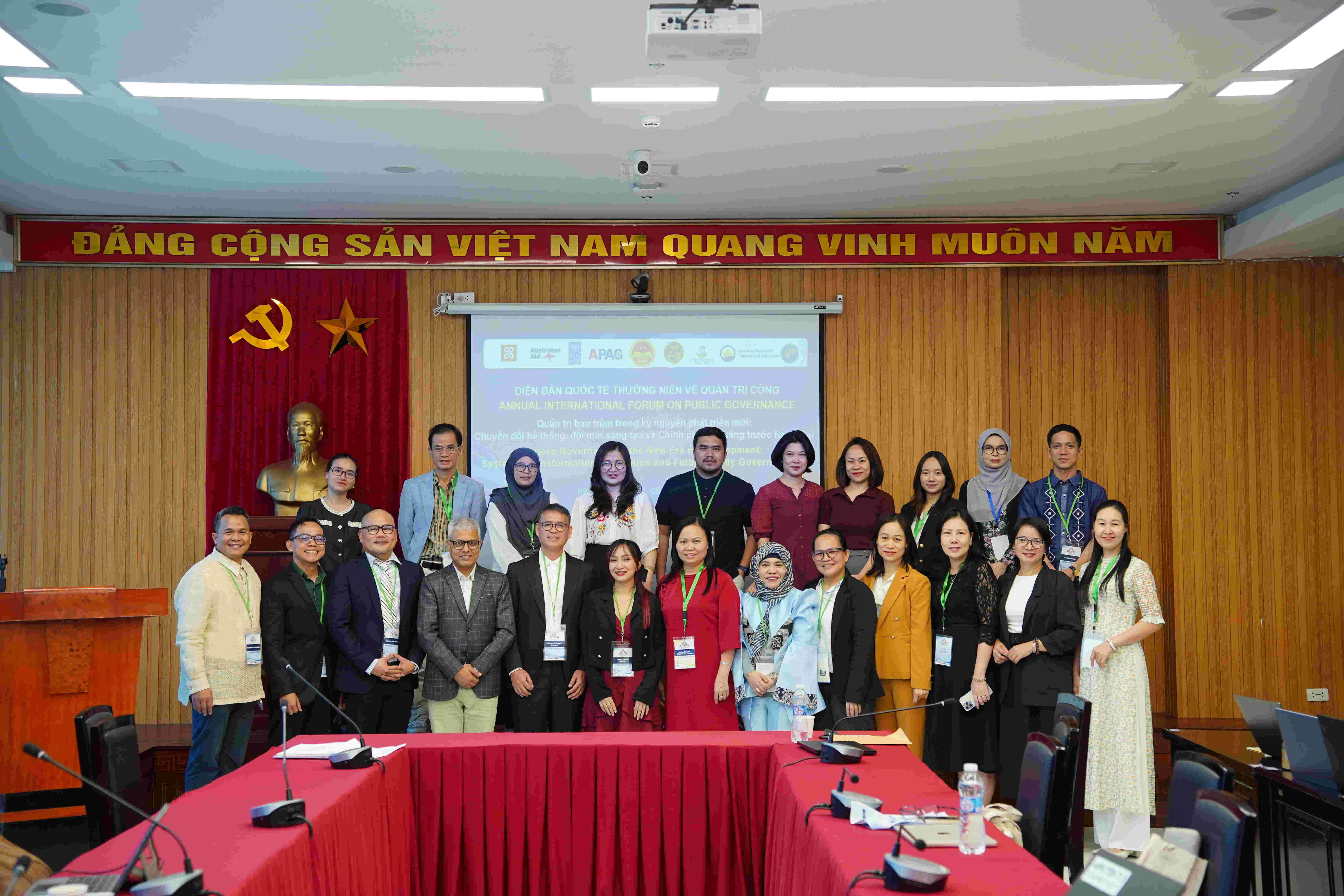
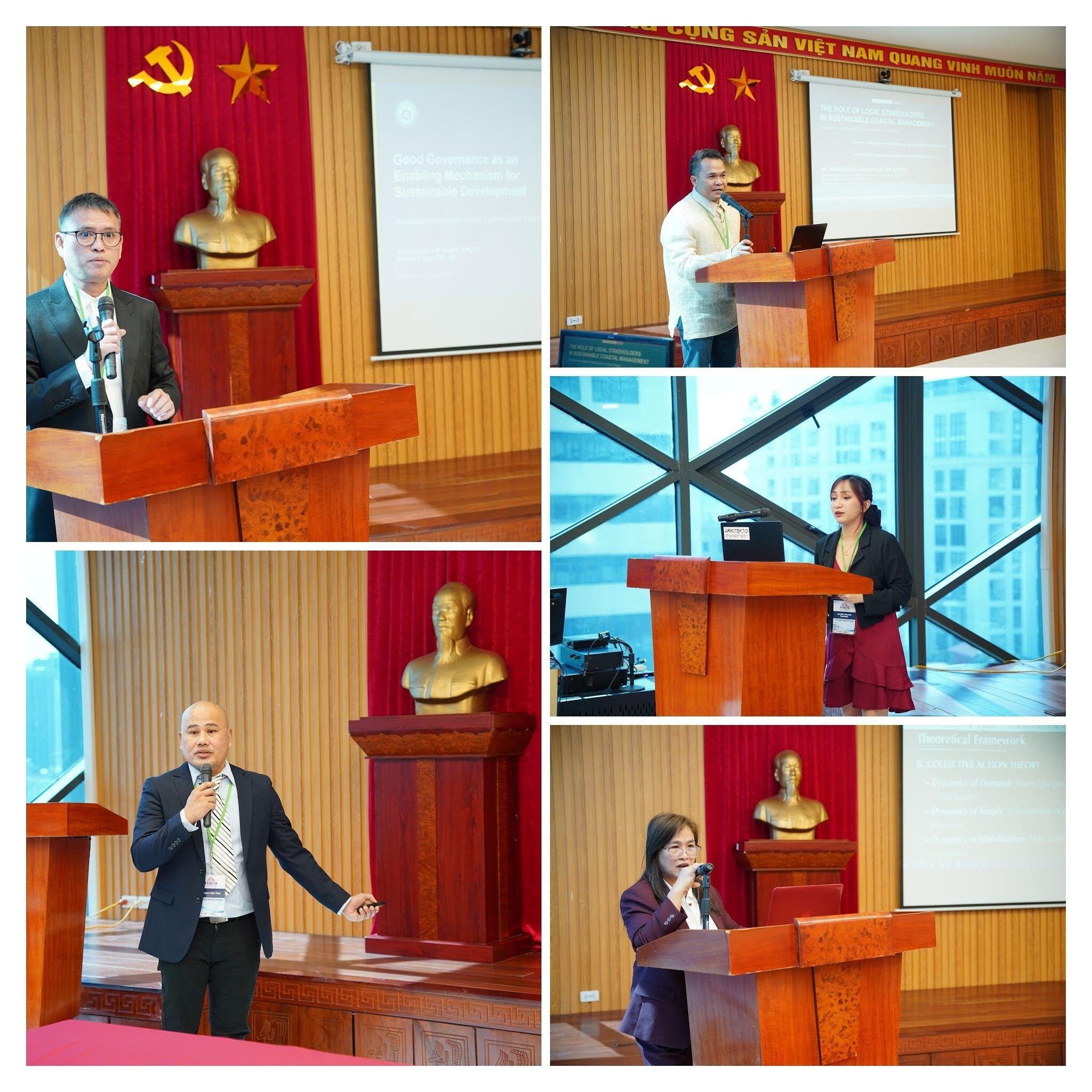 Panelists participating in discussions at Session 1
The presentations focused on core issues of local governance and sustainable development, from institutional refinement and enhancing policy execution effectiveness to leveraging community roles in resource and heritage conservation.
(1) Optimizing processes and institutionalizing local governance. Research by Mr. Michael Malachy D. Dagami in Sogod and Ms. Jamille Vanessa E. Saplagio in Bataan highlighted planning constraints stemming from fragmented implementation, top-down management mindsets, and gaps between geospatial technology (GIS) application and spatial planning practice. On this basis, the studies emphasized the need to transition from compliance-oriented approaches to collaborative governance models, strengthening coordination and power-sharing among stakeholders.
(2) Securing resources and enhancing environmental policy execution effectiveness. Presentations by Mr. Bensen Alex Urbano Pola and Ms. Norhamen S. Abdulkadir focused on challenges in fulfilling international conservation commitments. Research warned of the risk that conservation policies and commitments remain symbolic if not backed by commensurate financial resources; simultaneously, it highlighted requirements for professionalizing frontline enforcement forces and diversifying resources for conservation.
(3) Promoting polycentric governance and linking conservation with indigenous values. Research by Ms. Eminel Jane M. Alvior on the Mount Hamiguitan Range Wildlife Sanctuary (MHRWS) World Heritage Site showed that state-community participation and coordination can generate positive outcomes in heritage management and conservation. However, this model faces limitations related to administrative procedures, funding shortages, and the integration of customary laws and indigenous knowledge of the Mandaya community into governance and conservation processes.
Overall, the presentations demonstrated that sustainable development and effective governance at the local level cannot rely solely on policy commitments or isolated technical tools. Instead, an integrated governance ecosystem must be formed where institutions, financial resources, technology, execution capacity, and community participation are connected and mutually supportive, thereby elevating governance effectiveness and ensuring long-term policy sustainability in practice.
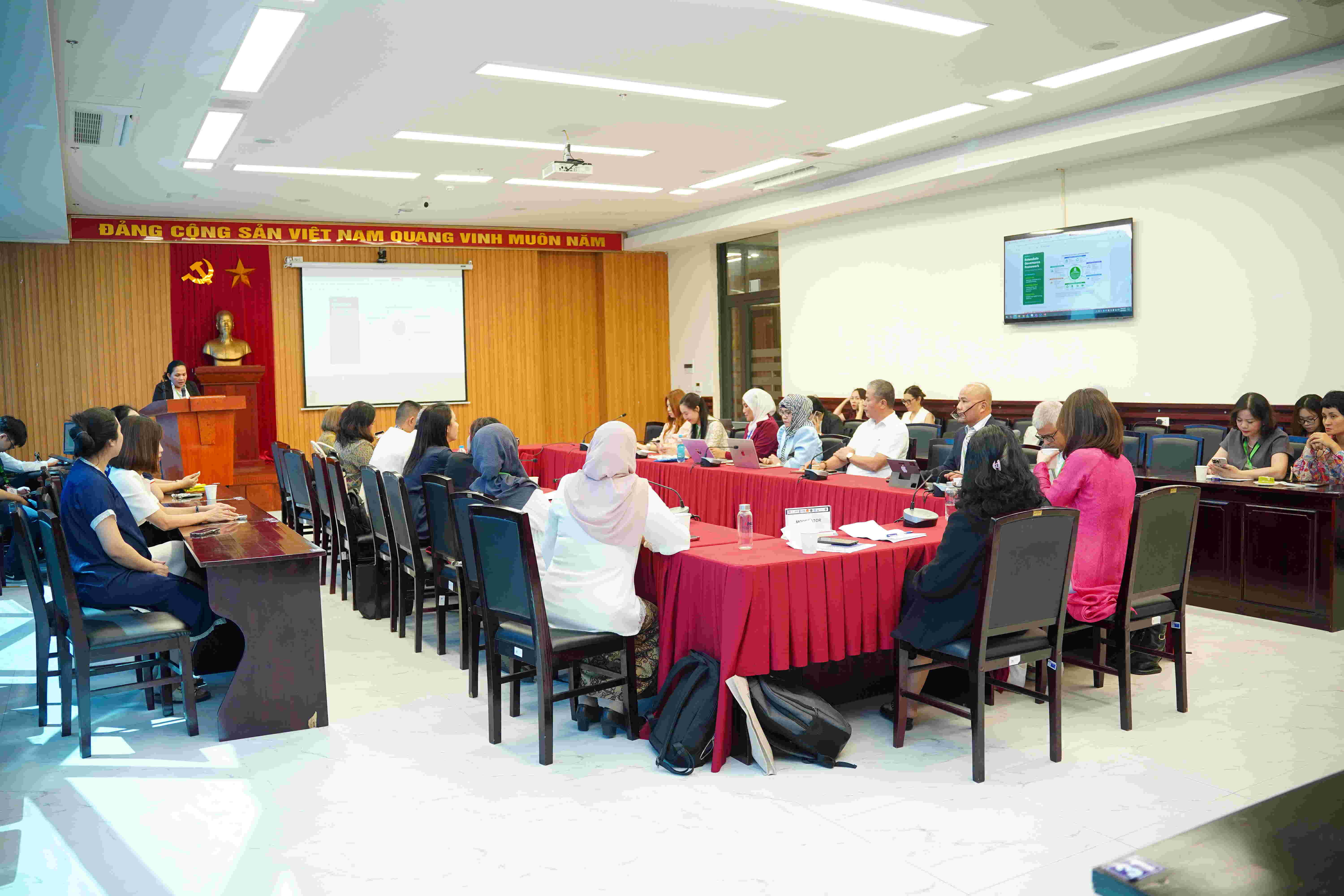 Overview of Session 6.
Session 6 was co-moderated by Dr. Sushmita Acharya, executive committee member of PAAN and lecturer at Tribhuvan University, and Dr. Nguyen Thi Mai, Academy of Public Administration and Governance. The discussion session brought together speakers from the Philippines, Hong Kong (China), China, and Malaysia, including Ms. Raquel Smith C. Ortega, Department of Environment and Natural Resources / Philippine Christian University; Lawyer Brenice Ann Gendeve-Castillo, Engineer Richard Aquino, Engineer Ronald Villanueva, and Engineer Iris Kay Cortez, Regional Office XI, Mines and Geosciences Bureau (Philippines); Ms. Angela Lau, Hong Kong International Aviation Academy; Ms. Yi Su, School of Public Policy and Management, Tsinghua University (China); Dr. Noor Rizawati Nasir, Dr. Putri Noorafedah binti Megat Tajudin, Dr. Teh Lian Tai, and Ms. Nur Ezzati Zulkifli, Public Service Department of Malaysia.
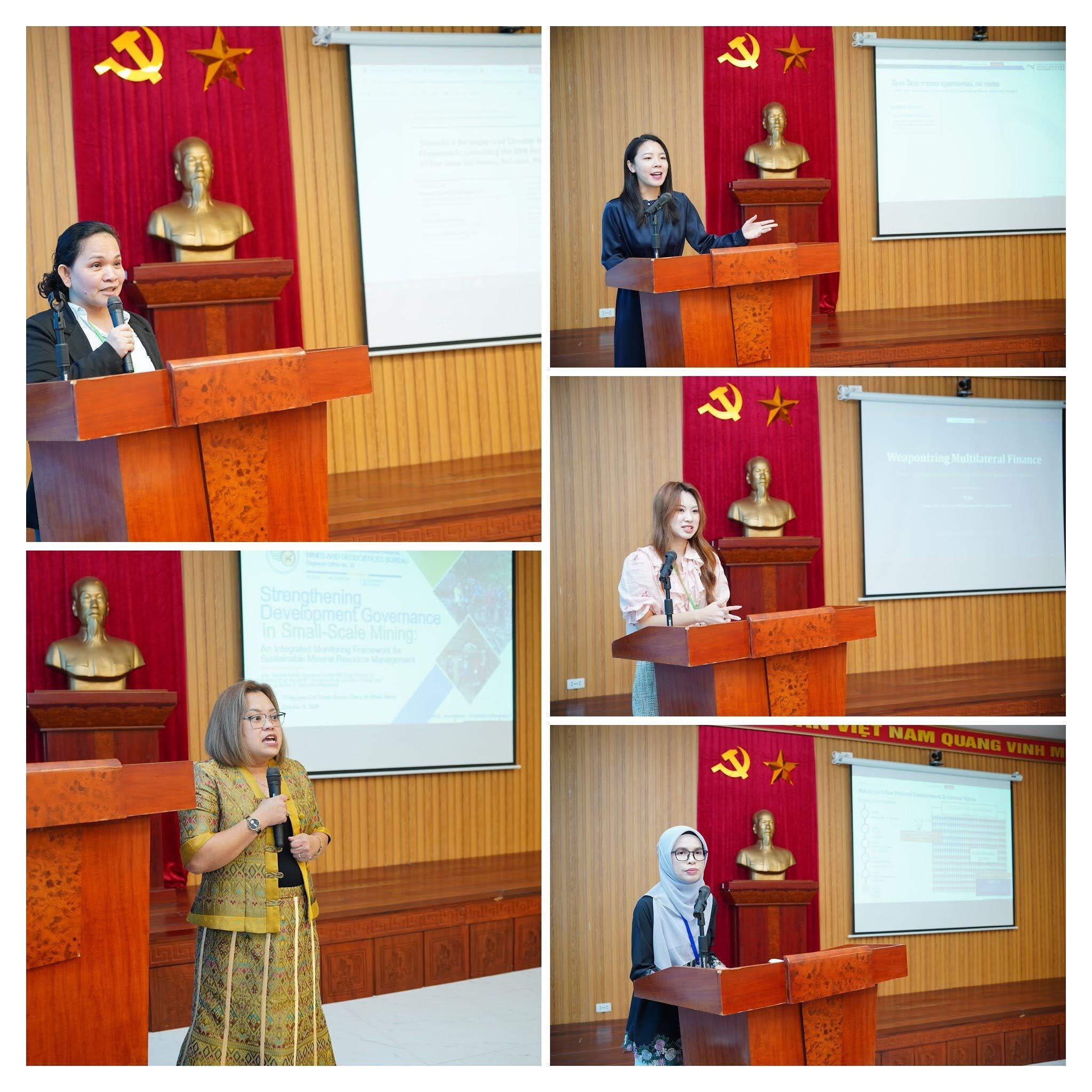
 Panelists participating in discussions at Session 6
Presentations at Session 6 approached development governance and sustainable development from multiple angles, focusing on institutional refinement, resource mobilization and allocation, inter-agency coordination, and advancing inclusive governance.
(1) Refining institutions and elevating local-level governance capacity. Research by Ms. Raquel Smith C. Ortega on the EsteroSafe circular waste governance framework in Bulacan and research by the author group from the Mines and Geosciences Bureau of the Philippines on the ICMT tool and Small-Scale Mining (SSM) Operational Manual showed that policy potential and natural resource potential can only be translated into real-world results when institutionalized through appropriate governance tools. This simultaneously requires strengthening execution capacity, rational decentralization, and elevating the role of primary-level agencies.
(2) Strengthening coordination and designing resource mobilization mechanisms. Ms. Angela Lau's presentation on route development strategy led by the Hong Kong International Aviation Academy (HKIA) and Ms. Yi Su's research on the United Nations financial crisis both underscored the role of intermediary institutions in bridging gaps between policy and practice. While hub infrastructure can help address market failures through coordination and connectivity mechanisms, multilateral financial mechanisms must balance state control with collective authority to secure resource mobilization for shared goals.
(3) Advancing inclusive governance and accountability. Research by Dr. Noor Rizawati Nasir and colleagues on the 1% employment quota for persons with disabilities in the Malaysian civil service expanded the discussion from resource governance to inclusive social governance. Results showed that achieving social inclusion targets cannot rely solely on standalone administrative measures but requires a whole-of-government approach, strengthened inter-agency coordination, data governance, and execution accountability.
Overall, presentations at Session 6 showed that converting development goals and policy commitments into substantive results requires concurrently strengthening institutional capacity, coordination mechanisms, financial resources, data-driven governance, and stakeholder alignment. This serves as the foundation for building agile, inclusive, and responsive governance models capable of meeting development challenges in the new context.
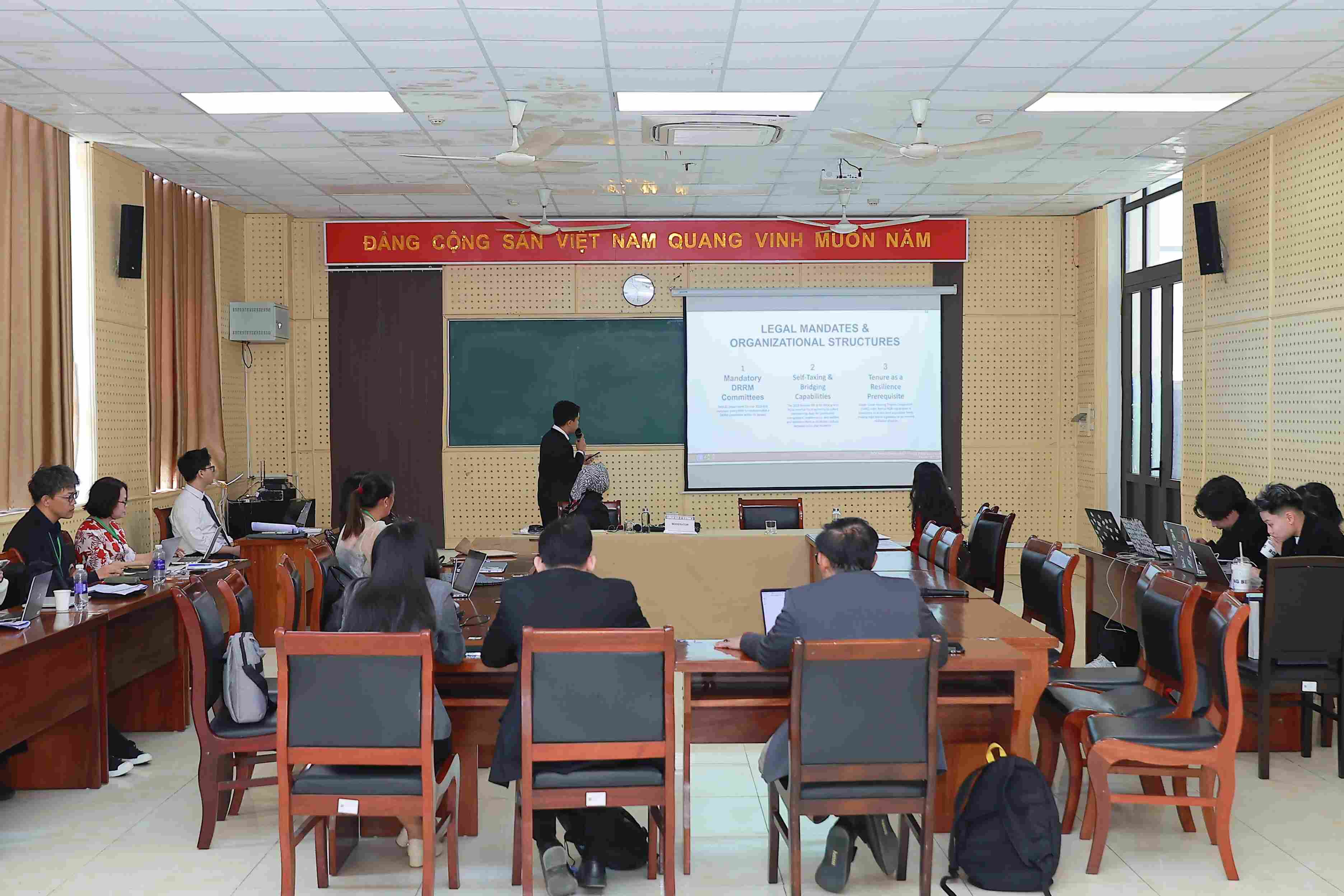 Overview of Session 9
Session 9 was co-moderated by Dr. Bevaola Kusumasari, Gadjah Mada University (Indonesia), and Dr. Tran Thanh Nga, Academy of Public Administration and Governance, with the participation of speakers from Japan and the Philippines, including Dr. Naoki Fujiwara, Otemon Gakuin University, Osaka (Japan); Ms. Maria Katrina Hontanosas and Mr. Irish John A. Avis, National College of Public Administration and Governance, University of the Philippines; Dr. May Fernandez and Lher Verell S. Palabay, Rosario District Hospital / Don Mariano Marcos Memorial State University (Philippines); Dr. Loraine Ann R. Madera and Ms. Florida U. Ursulom, University of Northern Philippines (Philippines).
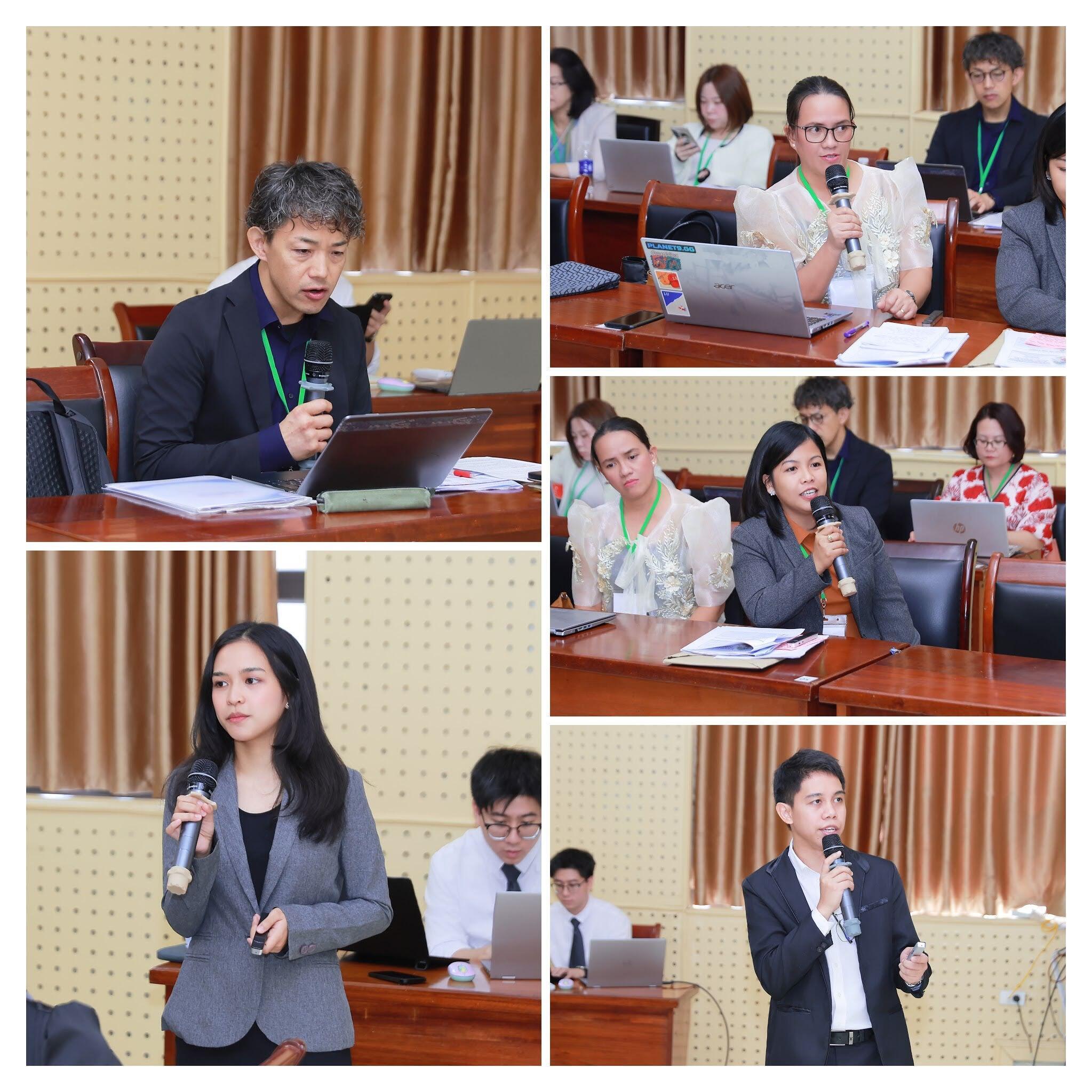
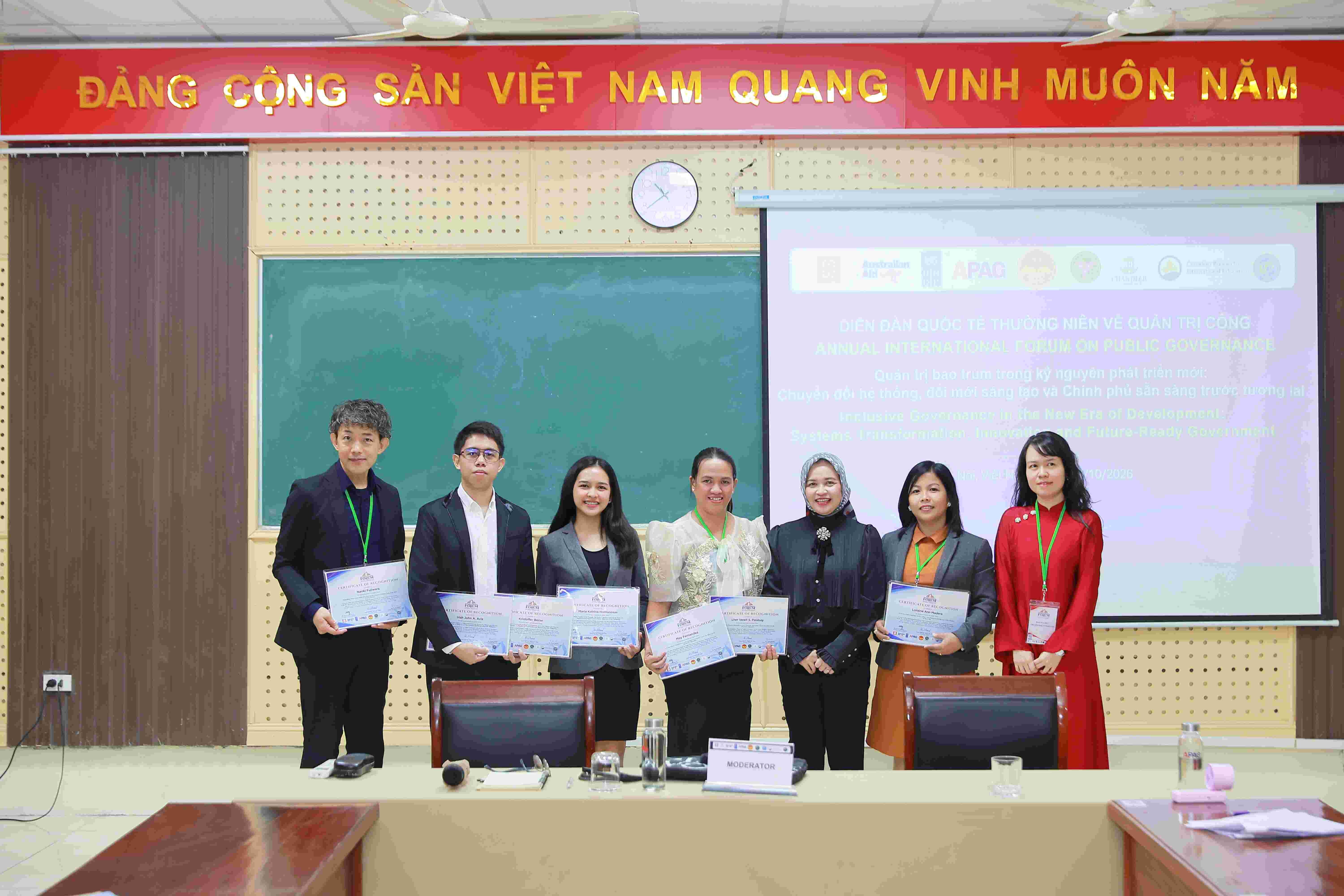
Presentations focused on issues linked to urban development governance, climate finance, public service delivery, and law enforcement, thereby highlighting requirements for strengthening institutional capacity and stakeholder coordination during policy execution.
(1) Strengthening institutional linkages and ensuring urban development sustainability. Research by Dr. Naoki Fujiwara on institutional engagement models through Expo 2025 showed that short-term development opportunities do not automatically translate into long-term value and benefits without strategic post-event sustainability mechanisms. Therefore, sustainable urban development must clearly define public and private sector roles while building enduring linkage mechanisms beyond the event's conclusion.
(2) Elevating community capacity in risk management and climate adaptation. Ms. Maria Katrina Hontanosas's presentation on the People's Survival Fund (PSF) and Mr. Irish John A. Avis's research on homeowners associations (HOAs) both highlighted gaps between policy commitments and community-level resource access and absorption capacity. Studies emphasized the need to simplify procedures, enhance technical capabilities, and solidify the legal status of community organizations, thereby increasing participation and proactive responses to climate risks.
(3) Elevating public service delivery effectiveness and law enforcement. The presentation by Dr. May Fernandez and Lher Verell S. Palabay on municipal health enterprise (MEE) models in La Union and research by Dr. Loraine Ann R. Madera and colleagues on enforcing the Anti-Distracted Driving Act (RA 10913) showed that governance effectiveness hinges on combining autonomy, public accountability, and organizational execution capacity. Alongside regulatory measures and sanctions, education, communication, and technology applications play vital roles in raising awareness, driving behavioral change, and ensuring enforcement efficacy.
Overall, presentations at Session 9 demonstrated that development governance efficacy depends not only on policy design quality but also on execution capacity, resource absorption ability, and coordination between government, the private sector, and communities. Strengthening these linkages is essential for turning policies into tangible outcomes and securing sustainable development benefits for citizens.
Digital government, artificial intelligence, and data governance
The "Digital government, artificial intelligence, and data governance" topic cluster was discussed across Sessions 2, 7, and 10, focusing on transformations that digital technology, artificial intelligence (AI), and data are driving in public sector organization, operations, and service delivery. Presentations addressed not only technology adoption but also human capacity, knowledge governance, digital safety, inclusion, and institutional refinement needed for technology to generate true public value.
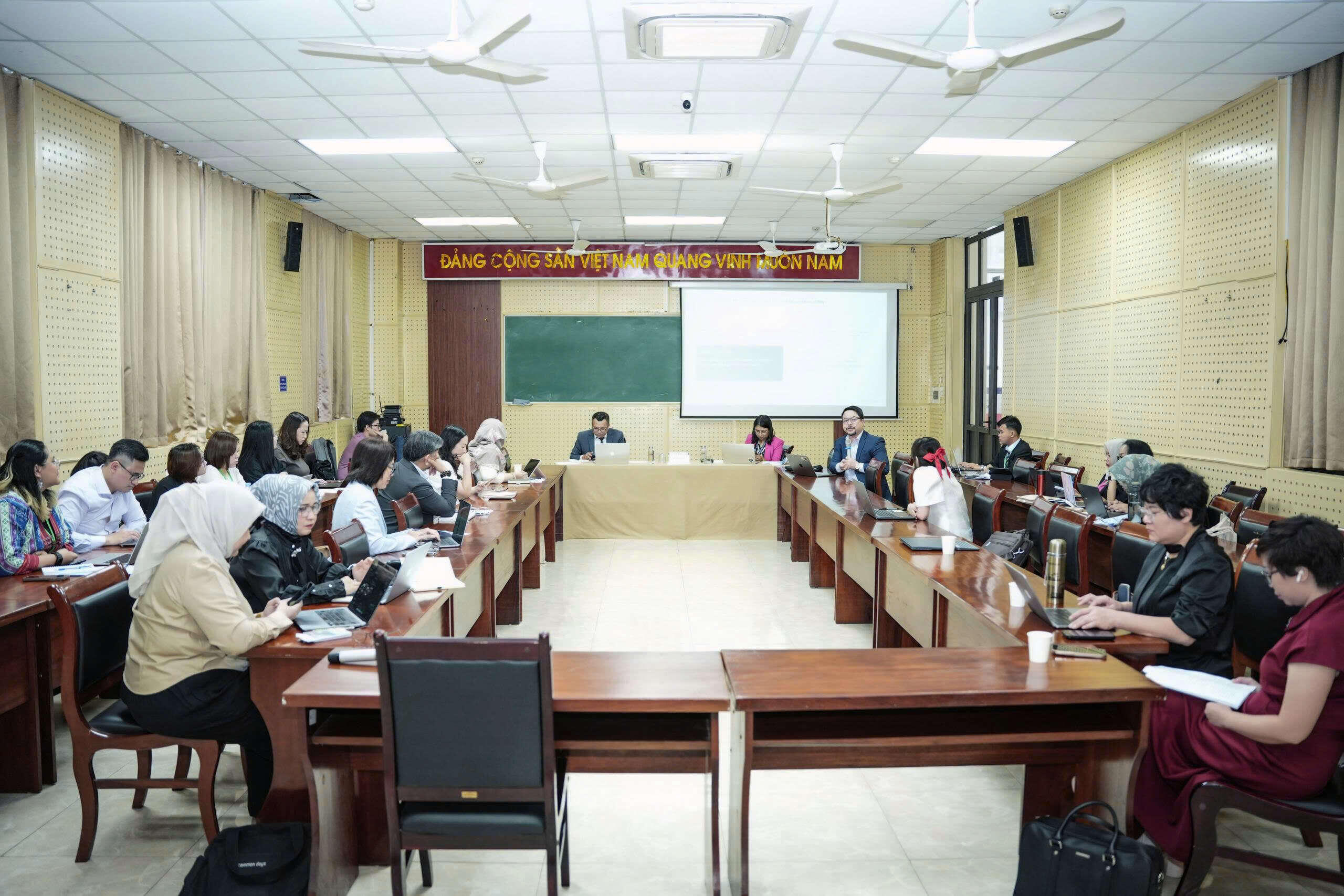 Overview of Session 2
Session 2 was co-moderated by Ms. Samvidha Pathak (PAAN member, UGC deputy director) and Assoc. Prof. Dr. Nguyen Nghi Thanh (Academy of Public Administration and Governance), featuring speakers from the Philippines and Indonesia, including Dr. Jonald F. Carrera, Dr. Rahima Abdul Kabir, Dr. Lher Verell S. Palabay, Dr. Bevaola Kusumasari, Prof. Sajida, and Dr. Alder Deloro.
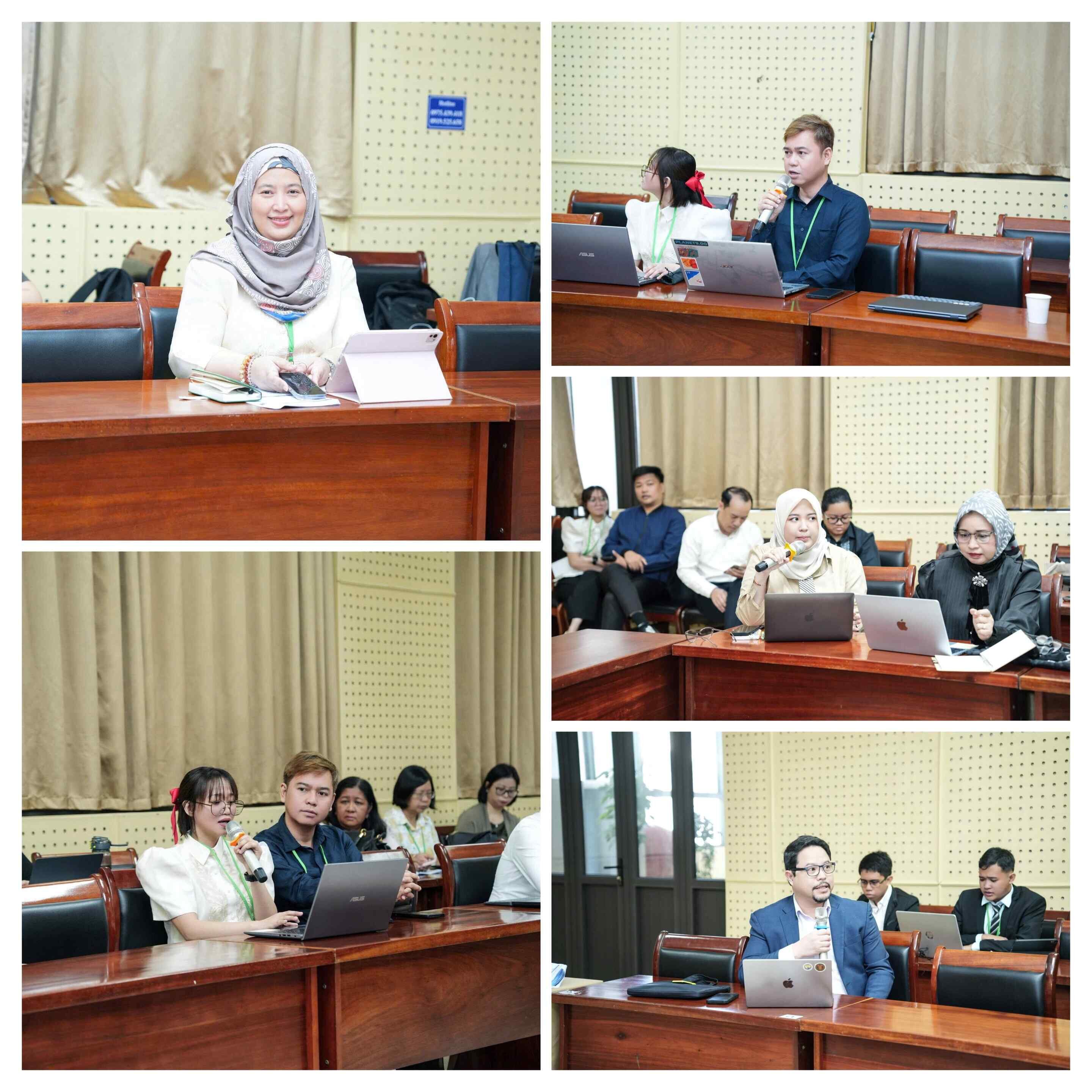
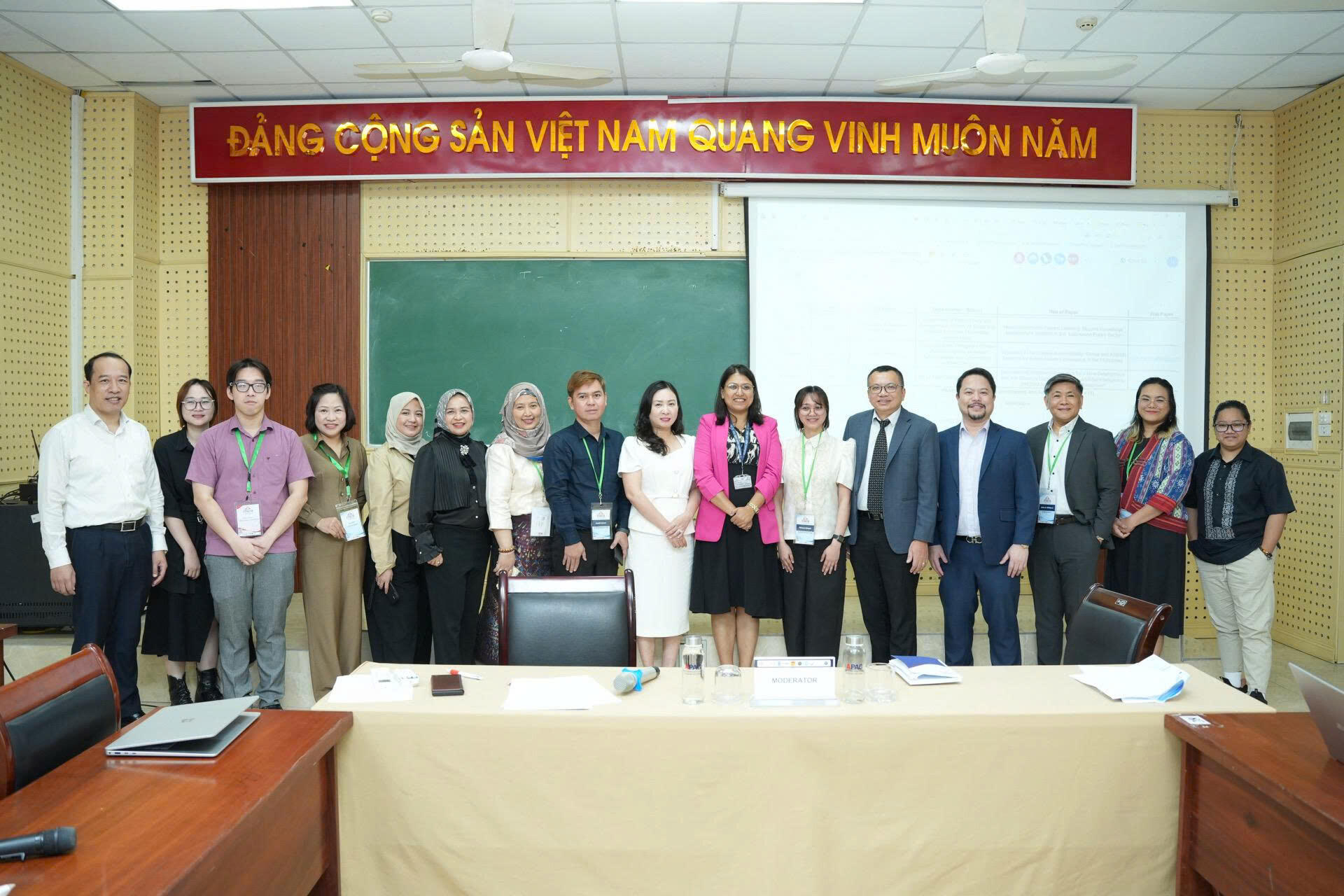 Panelists participating in discussions at Session 2
Presentations centered on three main issues:
(1) Process digitization and governance efficiency. Research by Dr. Jonald F. Carrera on the Act-InSu system in higher education and Dr. Lher Verell S. Palabay on the eNGAS system in local government showed that digital tools enhance transparency and operational performance. However, effectiveness depends not merely on technology but requires standardized procedures and competent operational personnel.
(2) Standardizing execution and knowledge governance within organizations. Dr. Rahima Abdul Kabir proposed a health licensing manual to alleviate staffing pressure and frontline policy execution inconsistencies. Meanwhile, Dr. Bevaola Kusumasari and Prof. Sajida emphasized that knowledge governance must be integrated into organizational and institutional mechanisms rather than viewed solely as a tech infrastructure issue.
(3) Building AI governance frameworks tied to accountability. Research by Dr. Alder Deloro on a 6-dimensional AI governance framework for climate accountability emphasized requirements for transparency, human oversight, and social equity in AI deployment.
Presentations at Session 2 demonstrated that digital transformation in the public sector is not merely embedding technology into existing processes, but concurrently requires process innovation, organizational capacity building, and governance mechanism refinement.
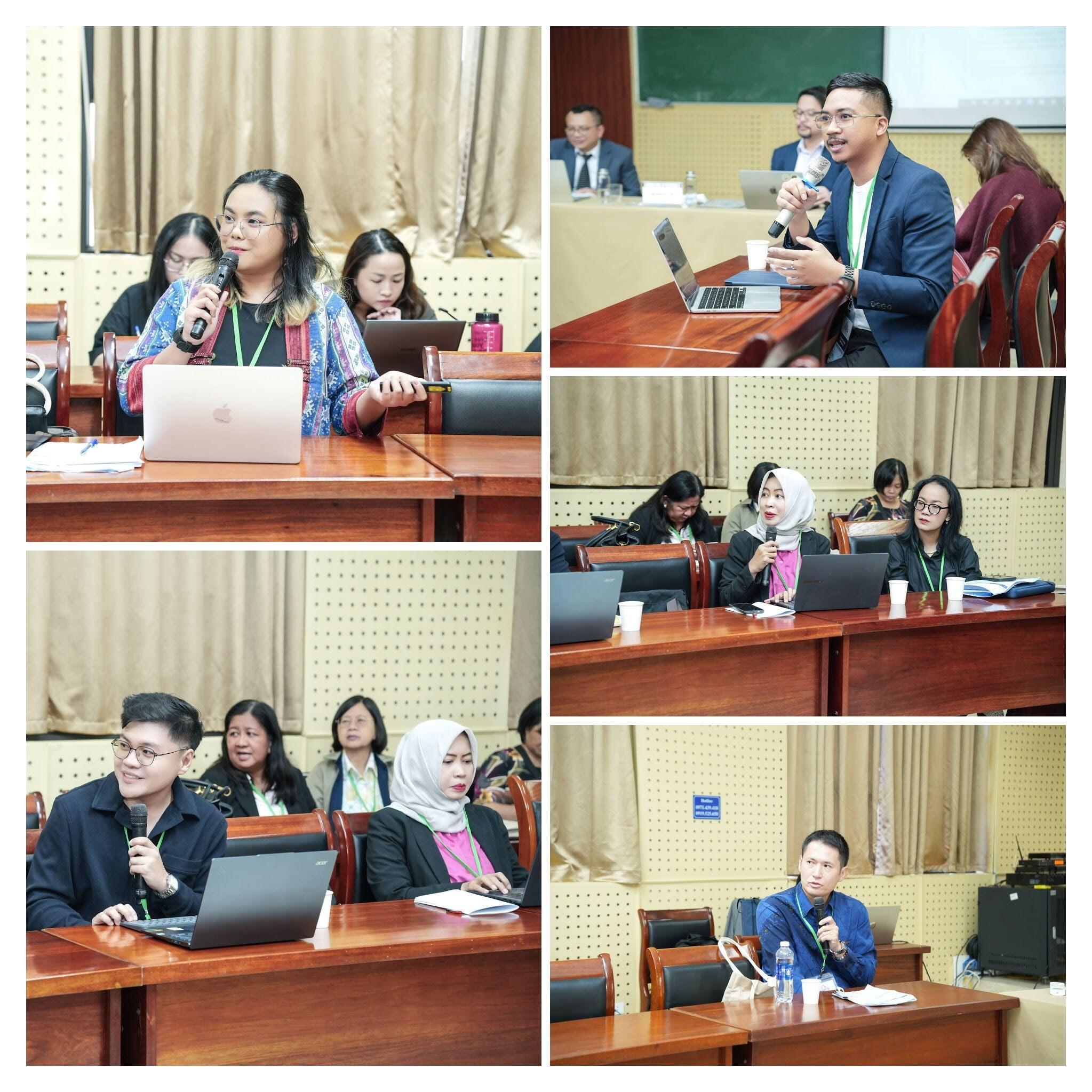
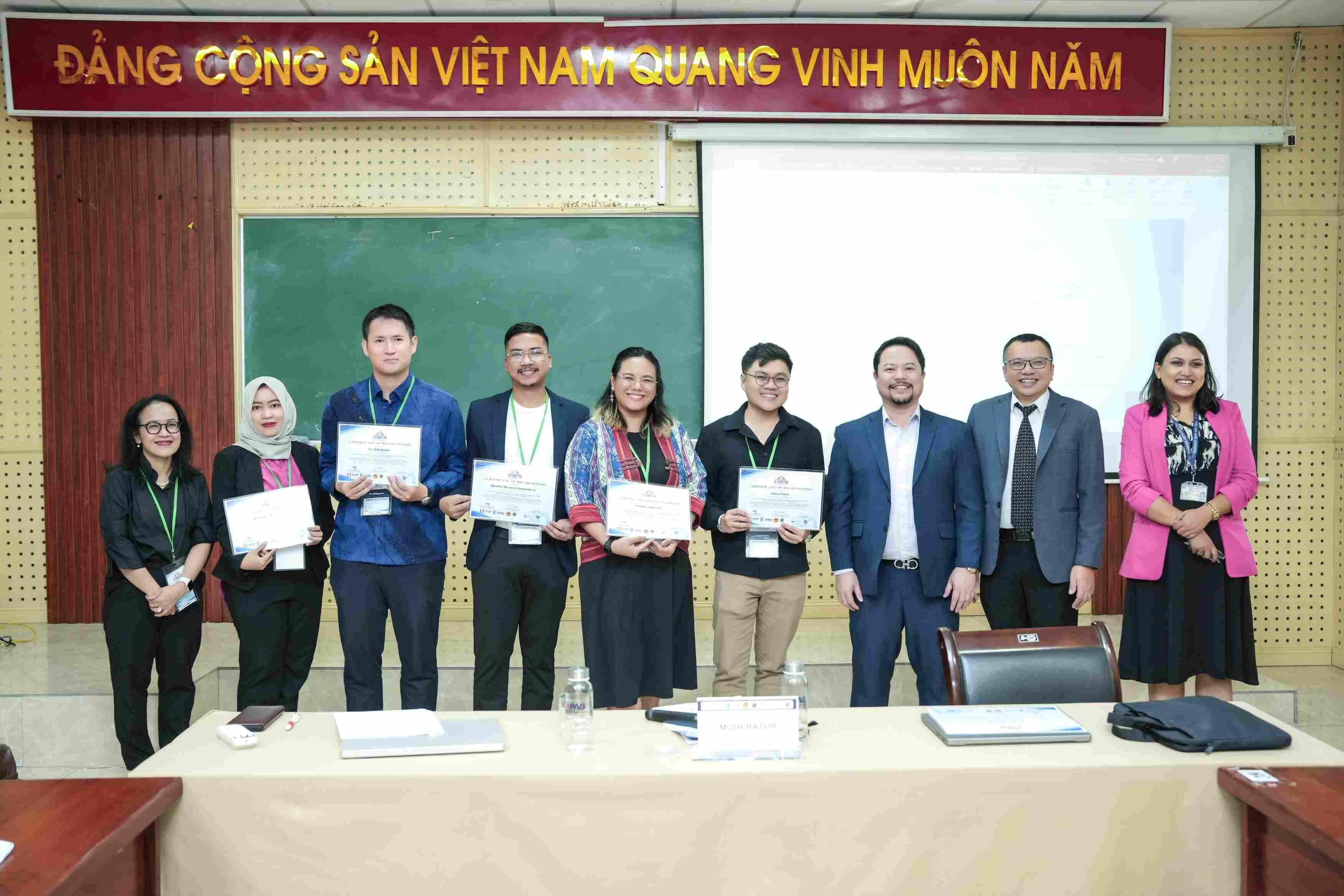 Panelists participating in discussions at Session 7
Session 7 was co-moderated by Dr. Alder Delloro, National College of Public Administration and Governance, University of the Philippines, and Assoc. Prof. Dr. Nguyen Nghi Thanh, Academy of Public Administration and Governance; speakers included Dr. Go Nakagawa, Okinawa International University (Japan); Ms. Rima Ranintya Yusuf and Ms. Keisha Solihati, Politeknik STIA LAN Jakarta / NIPA Jakarta School of Governance (Indonesia); Dr. Aaron Funa, Sorsogon State University (Philippines); Ms. Adeline Intervalo, University of the Philippines Diliman (Philippines); and Mr. Nicanor De Vera Germono, Jr., Pangasinan Polytechnic College (Philippines).
While Session 2 focused on organizational foundations and processes, Session 7 expanded discussions to human capacity, digital safety, inclusion, and civic engagement.
Research by Dr. Go Nakagawa on EBPM application in Japan and Mr. Nicanor De Vera Germono, Jr. on Generative AI usage by middle managers showed that digital skills must develop alongside evidence interpretation and utilization capabilities. The gap between positive AI perception and practical usage capacity highlights the need for strategic, evidence-based training programs tailored to specific target groups.
On ensuring inclusion and safety, research by Dr. Aaron Funa on faculty cybersecurity experiences and research by Ms. Rima Ranintya Yusuf and Ms. Keisha Solihati on older worker inclusion in Indonesia demonstrated that digital transformation must consider accessibility and safety across diverse groups to avoid creating new digital divides.
Meanwhile, research by Ms. Adeline Intervalo on the People's Budget Portal in Naga City (Philippines) showed that civic tech, when combined with local legal mechanisms, open-source technology, and civil society engagement, can empower citizens and safeguard public value against political cycle disruptions.
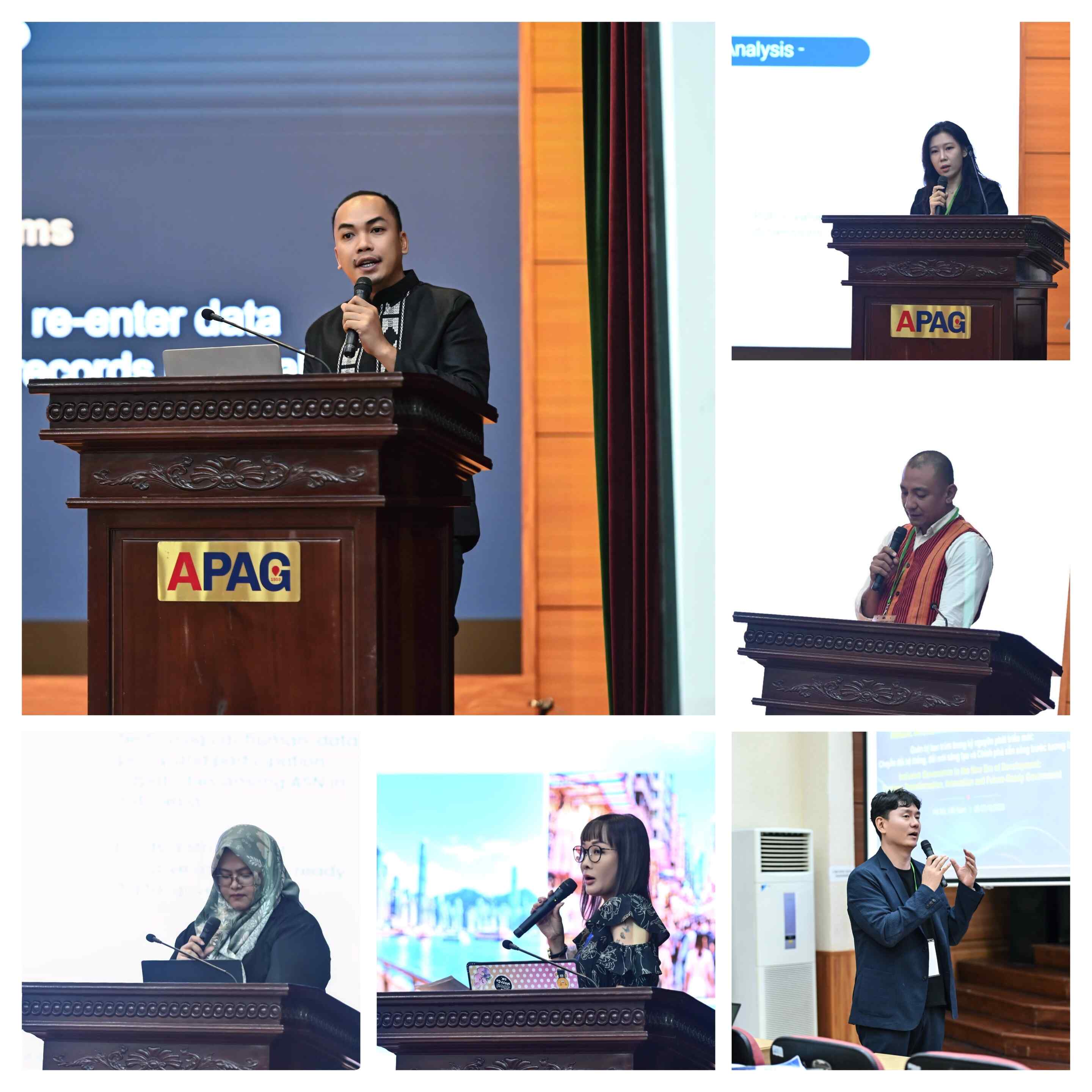 Panelists participating in discussions at Session 10
Session 10 was co-moderated by Assoc. Prof. Dr. Juvy Lizette Gervacio, University of the Philippines Open University, and Dr. Nguyen Tuan Hung, Academy of Public Administration and Governance; speakers included Dr. Hyung Jun Park, Sungkyunkwan University (South Korea); Mr. Juan Moshe M. Duyan, Kalinga State University (Philippines); Ms. Keisha Dinya Solihati, Politeknik STIA LAN Jakarta (Indonesia); Dr. Glenne Lagura, Davao del Norte State College (Philippines); and Ms. Maureen Chan, Hong Kong Public Administration Association (China).
Building on process digitization and human capacity issues discussed in the previous two sessions, Session 10 delved deeper into technology ecosystems, digital infrastructure, and AI regulatory mechanisms, clarifying requirements to shift from isolated technology applications to interconnected digital governance models.
(1) Building AI ecosystems and creating public value. Research by Dr. Hyung Jun Park on AI adoption models across 71 South Korean public agencies and Dr. Glenne Lagura on ICT platform integration in higher education governance showed that tech investment or AI frameworks alone are insufficient to guarantee governance outcomes. The decisive factor is the ability to form connected, interoperable governance ecosystems aligned with each organization's functions.
(2) Developing inclusive digital infrastructure and civil service capacity. Reports by Mr. Juan Moshe M. Duyan on digital connectivity and GovTech maturity across 162 economies, alongside research by Ms. Keisha Dinya Solihati on future-ready digital government strategies in Indonesia, highlighted requirements to develop digital infrastructure while enhancing human capabilities. Transitioning from fragmented online services to interconnected governance models must be supported by policies on digital skills, public service ethics, and accessibility.
(3) Refining regulatory mechanisms and accountability for generative AI. Ms. Maureen Chan analyzed generative AI regulation in Hong Kong's banking and financial sector, emphasizing proactive oversight, operational safety, regulatory compliance, and maintaining public trust.
Overall, presentations across Sessions 2, 7, and 10 showed that public sector digital transformation is evolving from isolated activity-level tech applications to restructuring governance modes on data, AI, and interconnected systems. To create sustainable public value, this process must simultaneously innovate processes, develop human capacity, ensure inclusion and safety, build connected tech ecosystems, and refine regulatory, oversight, and accountability mechanisms.
Future-ready government and adaptive governance
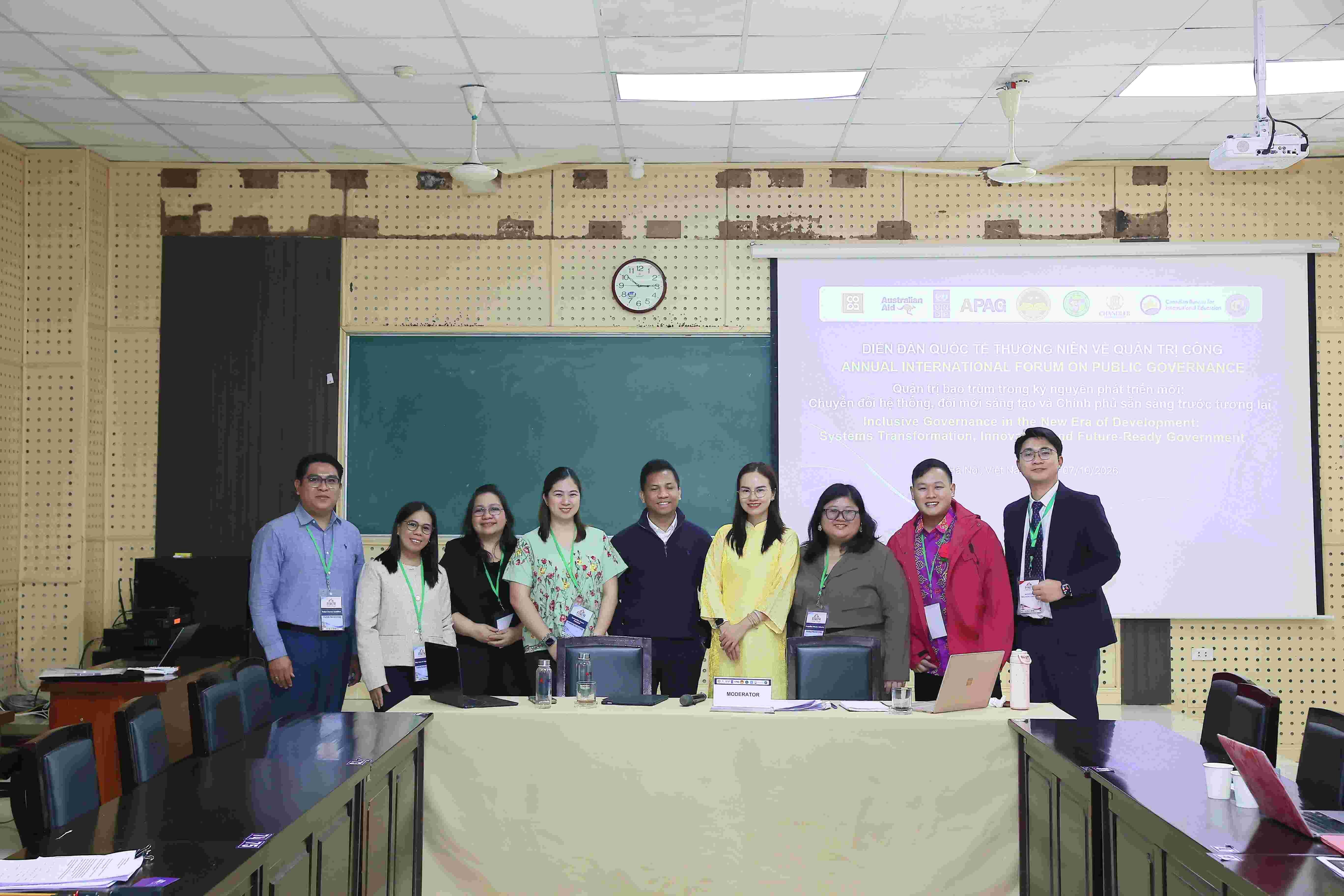 Panelists participating in discussions at Session 3
Session 3 was co-moderated by Mr. Lesther Balmatero, National College of Public Administration and Governance, University of the Philippines (UP-NCPAG), and PhD Candidate Le Thi Thanh Tuyen, Academy of Public Administration and Governance (APAG); featuring speakers: Ms. Angelika Nicole P. Alberto, Pangasinan Polytechnic College (Philippines); Ms. Mary Anne M. Polestina, Mindanao State University - Zamboanga Sibugay (Philippines); Ms. Samantha Grace E. Moscoso, Procurement Service - Department of Budget and Management (Philippines); Mr. Carlos Bryan G. Nolido, Nueva Ecija University of Science and Technology (Philippines); Ms. Maria Fe C. Abanes, National College of Public Administration and Governance, University of the Philippines Diliman; and Mr. Ralph Darren S. Santillan, Mindanao State University - Maguindanao (Philippines).
Presentations clarified key factors determining the public sector's ability to forecast, prepare, adapt, and learn amidst increasingly complex fluctuations. Discussion content can be summarized into three main clusters.
(1) Enhancing data-driven forecasting and learning capabilities. Research by Ms. Angelika Nicole P. Alberto showed that a future-ready public organization goes beyond collecting and storing data to effectively leveraging data for identifying bottlenecks, adjusting policies, and learning from practice. This requires cultivating a continuous learning culture and upgrading information utilization capabilities in decision-making.
(2) Elevating risk preparedness and adaptive capacity. Research by Ms. Mary Anne M. Polestina highlighted the link between risk perception and community readiness levels. Accordingly, risk communication, drills, response planning, and civic engagement must be treated as integral components of risk governance rather than deployed only during crises.
(3) Building adaptive institutional capacity and human resources. In public procurement, research by Ms. Samantha Grace E. Moscoso and Mr. Carlos Bryan G. Nolido showed that digitization creates meaningful change only when paired with institutional capacity, digital skills, interconnected data systems, and process redesign. From a human resource perspective, Ms. Maria Fe C. Abanes proposed a "strategic workforce intelligence" approach, connecting HR data, competencies, organizational knowledge, and environmental signals to identify public sector workforce needs early.
Adaptation was also expanded from public organizations to communities. Research by Mr. Ralph Darren S. Santillan and colleagues on Tëduray indigenous communities showed that adaptive governance must guarantee access to information, resources, and land, while enabling meaningful community participation in decision-making processes.
Overall, presentations at Session 3 demonstrated that a future-ready government is measured not only by technology adoption but also by forecasting, learning, and policy adjustment capabilities; preparing human resources and institutional capacity; and mobilizing community knowledge and participation. These foundational elements enable the public sector to transition from reacting to fluctuations to proactively preparing for and adapting to future changes.
Leadership, public sector capacity, and emerging challenges
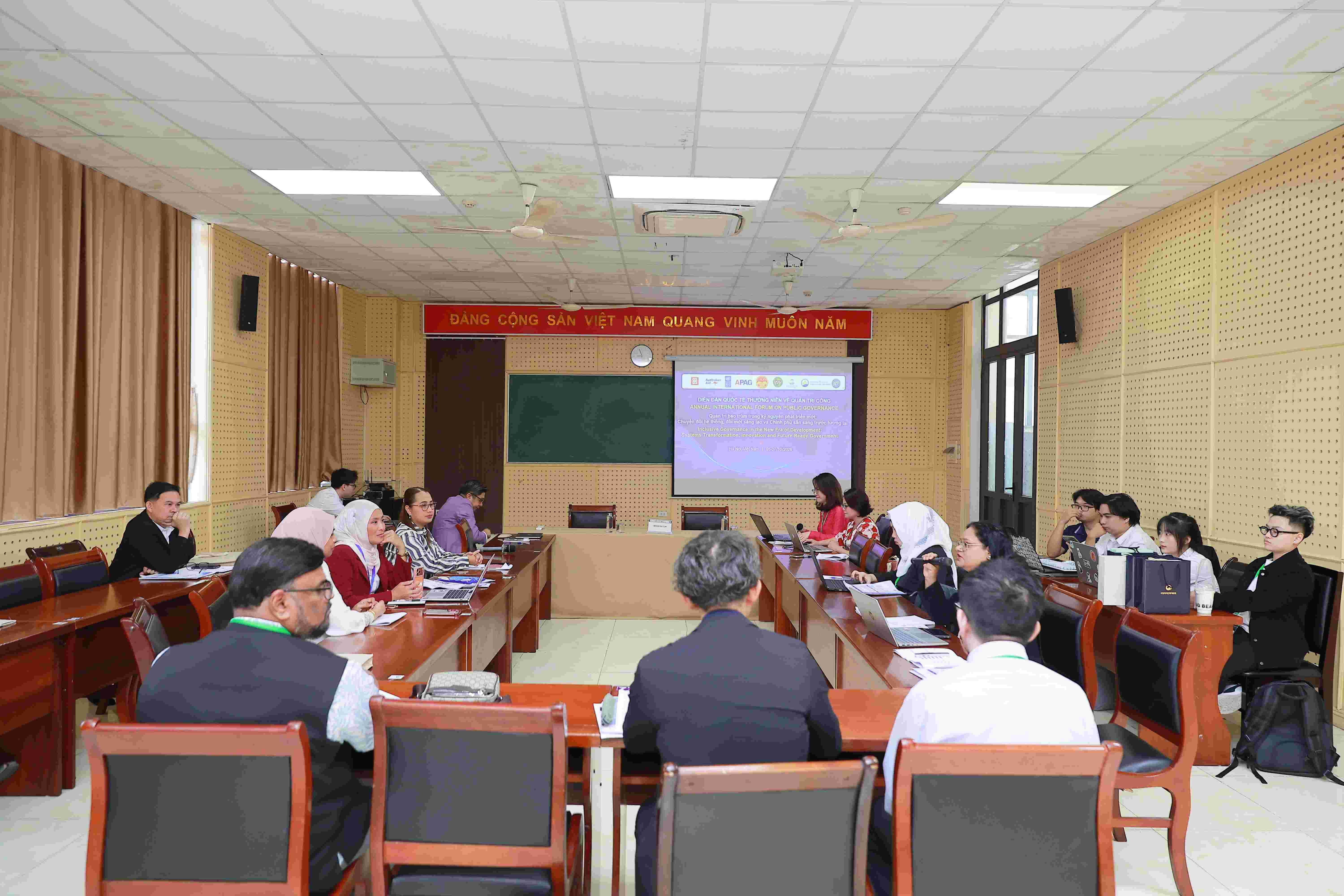 Overview of Session 4
Session 4 was co-moderated by Dr. Gary Ador Dionisio, School of Diplomacy and Governance, De La Salle - College of Saint Benilde, and Dr. Nguyen Thi Mai, Academy of Public Administration and Governance; featuring speakers: Dr. Fairodz Taalim, Bangsamoro Development Academy; Dr. Catherine De Castro, Sorsogon State University; Dr. Nuryusnita Yusoff, Public Service Department of Malaysia; and Dr. Sushmita Acharya, Tribhuvan University.
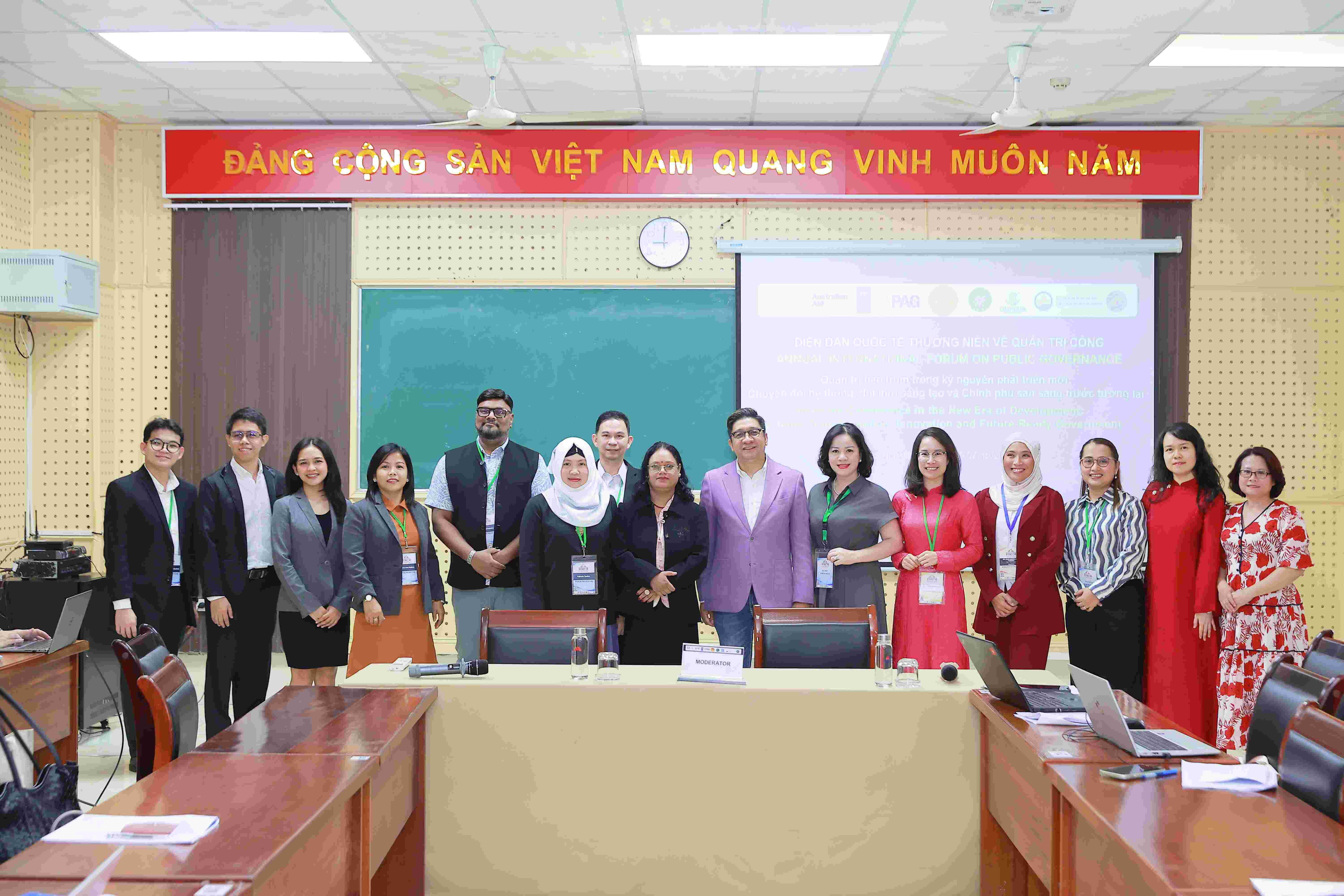 Panelists participating in discussions at Session 4
Presentations focused on foundational elements for public sector governance capacity, including human resource development, talent management innovation, strengthening civic engagement, and elevating leadership capabilities amidst volatility.
(1) Transitioning from personnel management to competency-based talent governance. Research by Dr. Fairodz Taalim on human capital development in Bangsamoro and research by Dr. Nuryusnita Yusoff on PTD cadre reform tied to Malaysia's SSPA Salary System showed that public sector capacity building must move beyond seniority-based approaches. Instead, recruitment, development, and deployment must be aligned with professional competencies, performance outcomes, and organizational development demands.
(2) Empowering citizens, especially youth, in governance and development. Reports by Dr. Catherine De Castro on youth issues in Bicol and research by Dr. Sushmita Acharya on civic literacy and political efficacy in Nepal showed that civic engagement is not only a democratic requirement but a vital resource for identifying and addressing social challenges. Creating conditions for youth participation in policy design and execution is especially meaningful for driving innovation and sustainable development.
(3) Elevating public sector leadership and adaptive capacity. From a leadership perspective, Dr. Gary Ador Dionisio argued that the public sector operates in an increasingly uncertain and complex environment, simultaneously impacted by AI, climate change, and declining public trust. In this context, state capacity must be fortified across strategic thinking, policy coordination, analytical capabilities, and execution power, while maintaining balance between innovation, transparency, inclusion, and accountability.
Overall, presentations at Session 4 showed that enhancing public sector capacity must be approached holistically, spanning human resource development and deployment, leadership innovation, and expanding civic participation. These are essential conditions for the public sector to boost efficiency, enhance adaptability, and strengthen social trust in the new era.
Systemic transformation and institutional reform
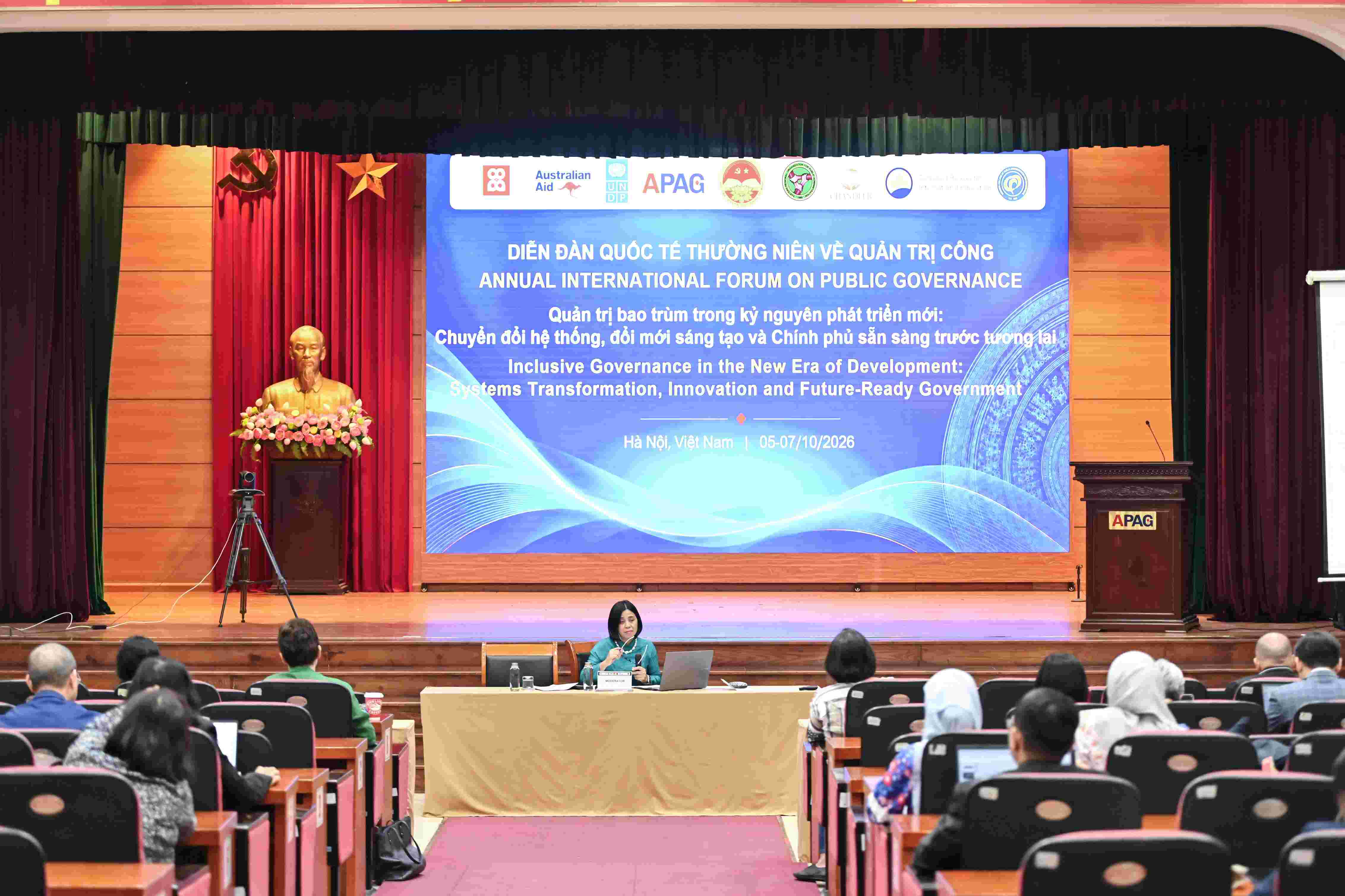 Overview of Session 5
Session 5 was moderated by Dr. Nguyen Thi Thu Cuc, featuring speakers: Mr. Roel V. Rafer, Camarines Norte State College (Philippines); Ms. Nelin Dulpina, Graduate School of Public Administration and Governance, University of the Philippines; and Mr. Menard Nava, Pangasinan Polytechnic College (Philippines).
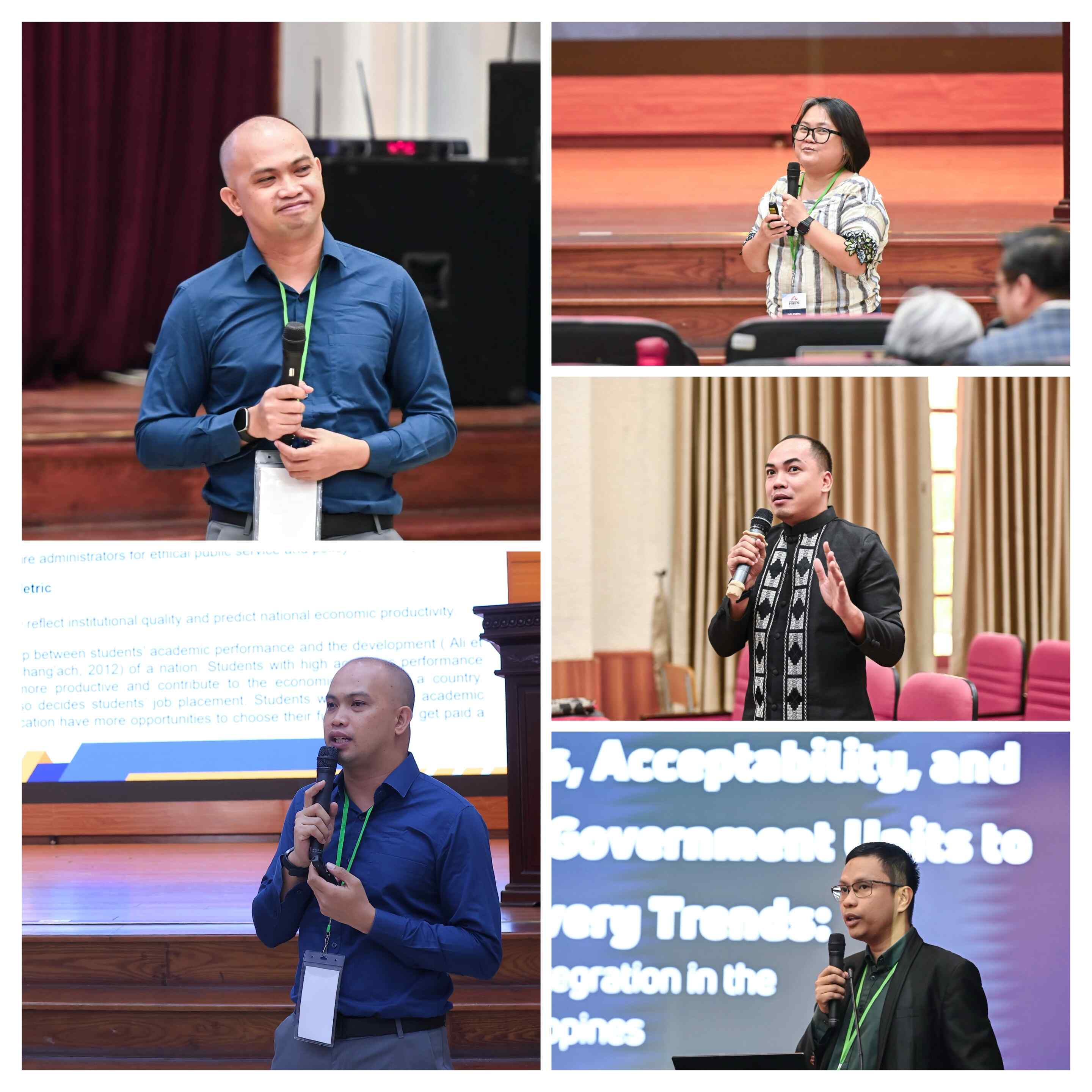
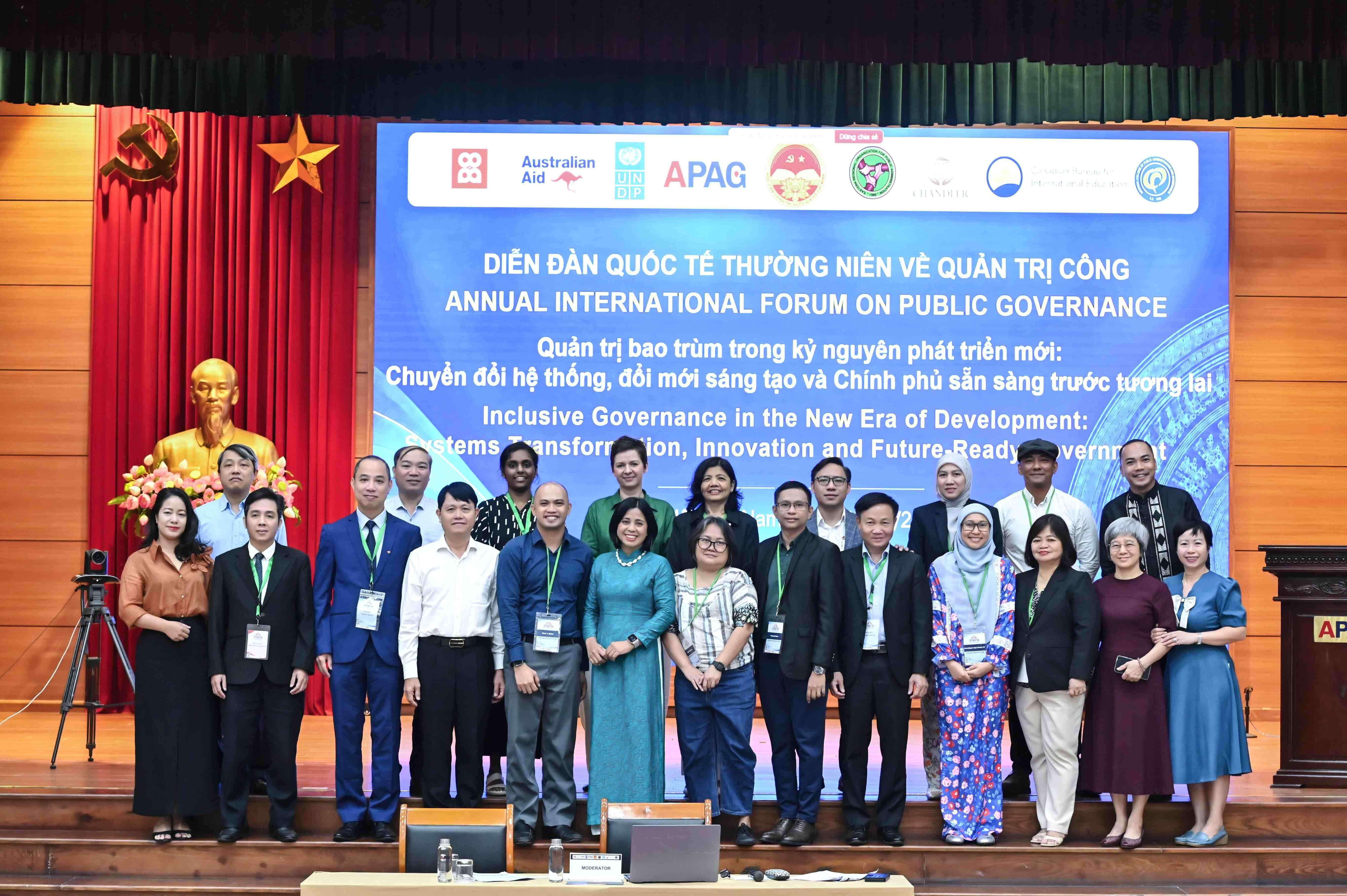 Panelists participating in discussions at Session 5
Presentations clarified relationships between people, operational modes, and public value during systemic transformation and institutional reform.
(1) Human development and public sector adaptive capacity. Research by Mr. Roel V. Rafer showed that public administration training quality is significantly influenced by human factors and supportive environments. This demands training innovation that equips professional knowledge while developing adaptive mindsets, learning capabilities, and practical problem-solving skills in governance.
(2) Innovating operational modes tailored to sector specifics. Research by Mr. Menard Nava on local public service modernization showed that systemic transformation cannot follow a one-size-fits-all model. Reform effectiveness hinges on work characteristics, organizational conditions, and readiness levels across sectors and localities. Innovation must therefore be designed flexibly, aligned with context and execution capacity.
(3) Institutional reform tied to safeguarding public value and social equity. Through analyzing the restructuring of the Department of Agriculture in the Philippines, Ms. Nelin Dulpina emphasized that institutional reform aims not only at organizational and economic efficiency but must safeguard social equity, resource access, and development benefits for vulnerable groups.
Overall, Session 5 demonstrated that systemic transformation generates sustainable results only when human development, operational innovation, and public value-driven organizational design are integrated into a cohesive whole.
Session 8 was co-moderated by Dr. Eminel Jane M. Alvior, Director of Ateneo Resource Center for Local Governance, and Assoc. Prof. Dr. Nguyen Thi Thu Ha, Dean of the Faculty of Interdisciplinary Sciences - Foreign Languages - Information Technology, Academy of Public Administration and Governance (APAG); featuring speakers: Shuvra Chowdhury, Sajib Kumar Roy, and Md. Sabiruzzaman (Bangladesh); Crisdem Marie M. Manalang, MPA, and Lawyer Hannah Keziah P. Dela Cerna, Civil Service Commission (Philippines); Alimodin M. Hassan, Mindanao State University - Maguindanao (Philippines); Vermont Khan L. Juvahib, DPA, CESE, Escalante City Government / Northern Negros State College of Science and Technology (Philippines); and Emil O. Tadiarca and Lher Verell S. Palabay, Don Mariano Marcos Memorial State University (Philippines).
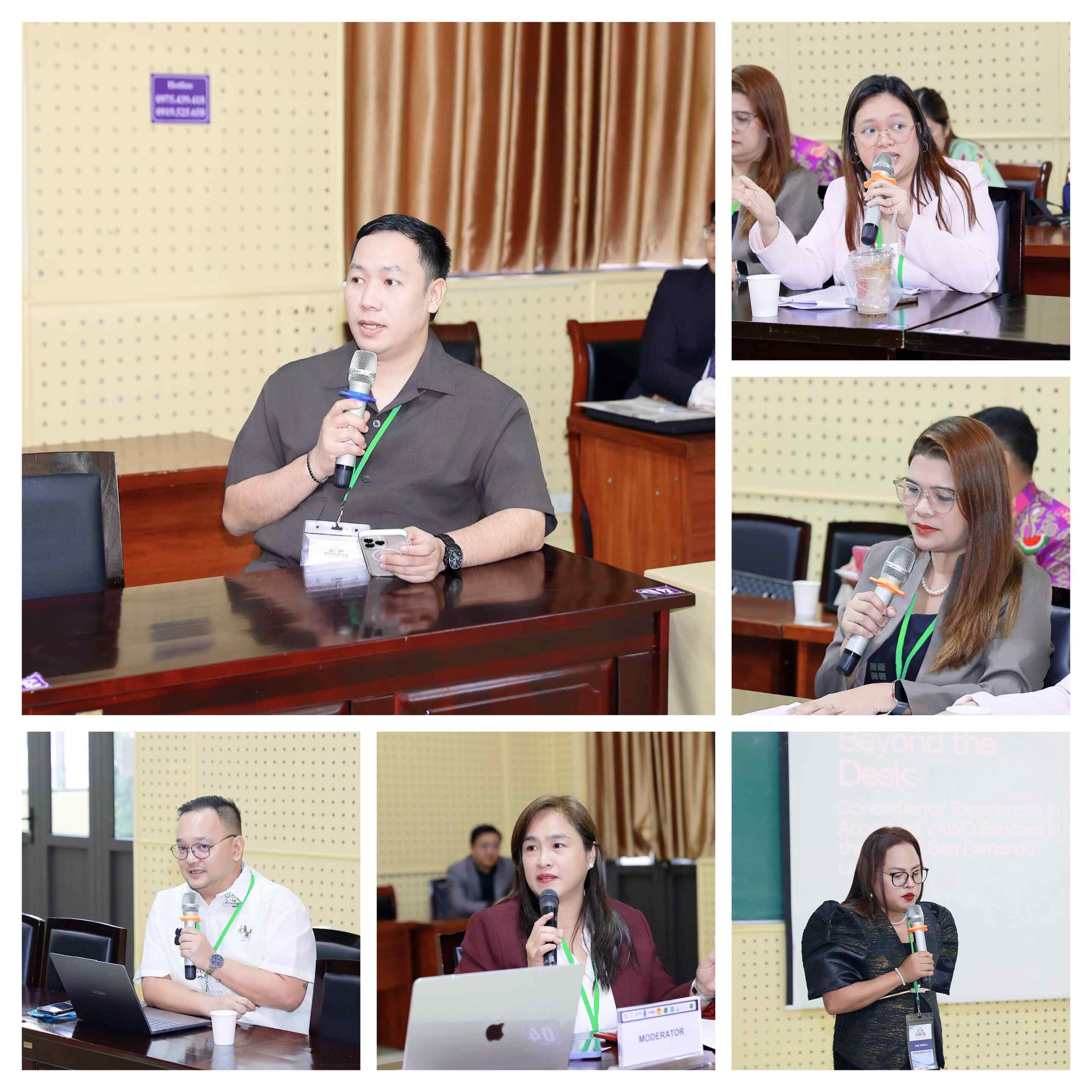
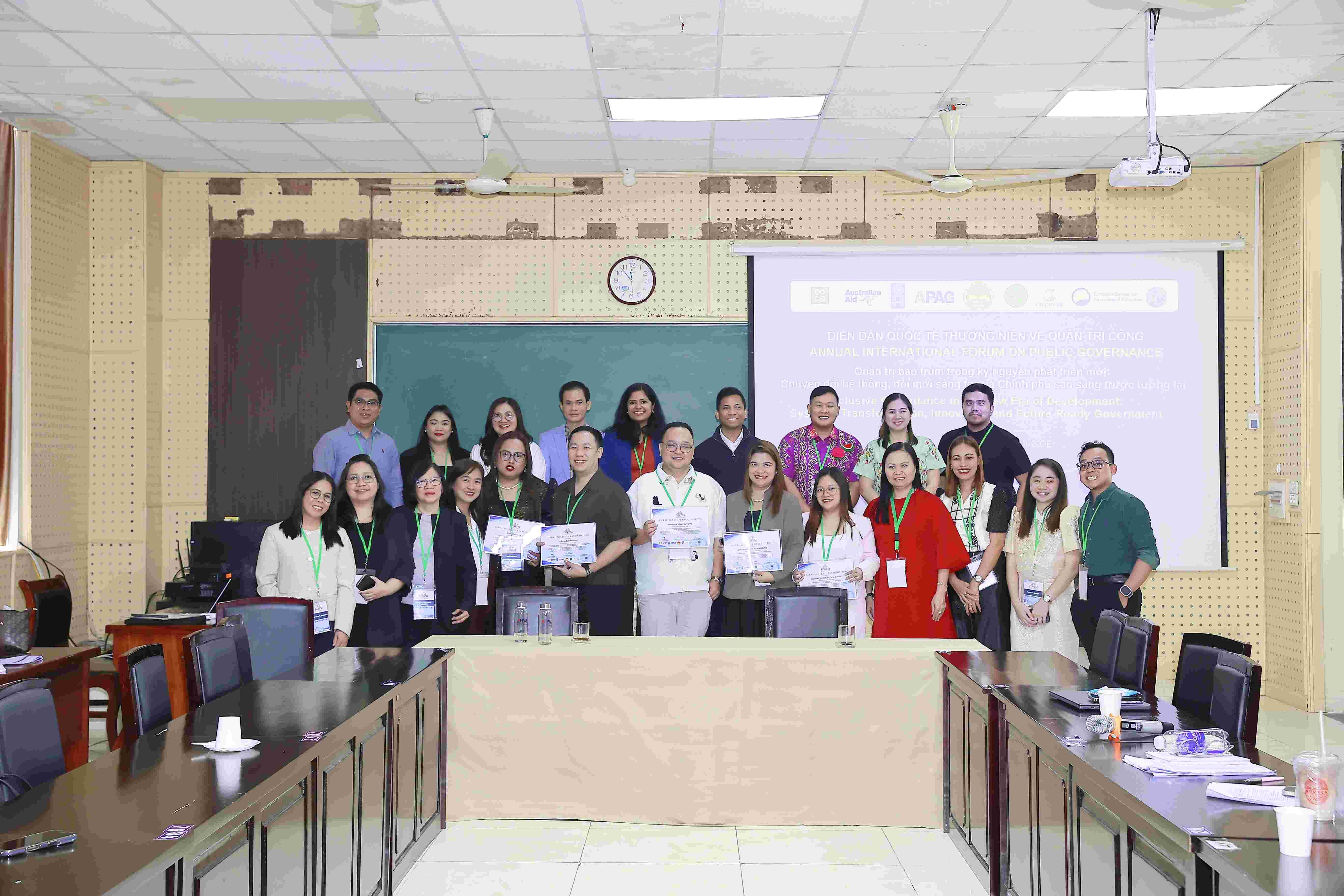 Panelists participating in discussions at Session 8
Continuing discussions on systemic transformation and institutional reform, Session 8 delved into accountability, civil service professionalization, inclusion, evidence-based decision-making, and execution quality.
(1) Strengthening accountability and civic participation. Research by Shuvra Chowdhury, Sajib Kumar Roy, and Md. Sabiruzzaman on Bangladesh's Grievance Redress System (GRS) showed that feedback handling mechanisms are not merely administrative tools but can become institutions driving democratic governance. Mechanism efficacy depends on transparency, public trust in authorities, and community information access.
(2) Professionalizing the administrative apparatus and building inclusive civil service. Research by Crisdem Marie M. Manalang and Lawyer Hannah Keziah P. Dela Cerna emphasized that local decentralization must be supported by a capable and professional civil service. Enhancing HR governance agency capacity contributes to standardizing recruitment, workforce development, and organizational continuity. Meanwhile, a survey of 411 civil servants in the Bangsamoro Autonomous Region by Alimodin M. Hassan showed that cultural differences and biases can impact organizational inclusion. Institutional reform must therefore emphasize cultural competence, mentorship mechanisms, and diversity management policies.
(3) Embedding evidence and community needs into decision-making processes. Vermont Khan L. Juvahib proposed the LIBERTAD model, connecting community needs assessment with consultation, planning, and continuous monitoring, thereby elevating the role of evidence and civic participation in policy cycles. In social service delivery, research by Emil O. Tadiarca and Lher Verell S. Palabay on Violence Against Women and Children (VAWC) services in San Fernando City showed that gaps between legal frameworks and practice arise from staffing constraints and cultural factors. This demands continued execution capacity building to ensure public services better address community realities.
Session 8 demonstrated that institutional reform does not end with enacting regulations or restructuring apparatuses, but must translate into execution capacity, professional and inclusive civil service, accountability mechanisms, and the ability to utilize evidence to improve public service quality.
Discussions across morning sessions at the 2026 Annual International Forum on Public Governance showed that the public sector faces profound demands for innovation across institutions, governance modes, execution capacity, and citizen relations. Technological shifts, AI, climate change, socio-economic environments, and emerging issues demand a transition from traditional management mindsets to agile, proactive, and adaptive governance.
Experiences and research shared at the forum demonstrated that technology generates value only when embedded in an appropriate institutional system; reform yields results only when tied to human capacity and execution ability; and effective, sustainable governance requires multi-stakeholder participation, especially citizens and communities. Public sector innovation must therefore be approached systematically, connecting institutions, resources, technology, data, people, and coordination mechanisms.
On this basis, the forum emphasized requirements to build a public sector equipped with forecasting and adaptive capabilities, grounded in evidence and data, applying technology responsibly, ensuring inclusion, and upholding accountability. This is not merely a requirement for individual agencies but demands strengthened cooperation, experience sharing, and connectivity among nations, government levels, the private sector, academia, and communities.
Exchanges at the forum contributed to broadening understanding of new trends in public governance, while providing practical insights and recommendations for public sector reform toward efficiency, agility, inclusiveness, accountability, and sustainable development.