From September 20 to 25, 2026, 7 students from the Academy of Public Administration and Governance participated in a student exchange program at the College of Public Affairs and Policy (COPA), Khon Kaen University, Thailand. Over six days, the students studied and conducted field surveys across various environments, from universities and local government to enterprises and the local Vietnamese community, covering topics from artificial intelligence, digital transformation, and local governance to history and Vietnam - Thailand relations
The program was implemented within the framework of cooperation between the Academy of Public Administration and Governance and Khon Kaen University, following the exchange of a memorandum of understanding between the two institutions on May 28, 2026, in Bangkok, witnessed by General Secretary and President To Lam and Thai Prime Minister Anutin Charnvirakul. Following working sessions between leaders of the academy and the College of Public Affairs and Policy in July 2026, the two sides implemented student exchanges while continuing to promote faculty exchanges, scientific research, and joint academic activities.
The delegation consisted of 7 students selected from the fields of public administration, social development management, interdisciplinary sciences, foreign languages, information technology, law, and the campus of the Academy of Public Administration and Governance in Da Nang. Before the trip, each student chose a topic to focus on throughout the program, ranging from local governance, public service delivery, artificial intelligence, and digital transformation to enterprises, technology, markets, and Thai culture. At the end of the program, students completed a report on their chosen topic based on information, exchanges, and observations gathered during the trip.
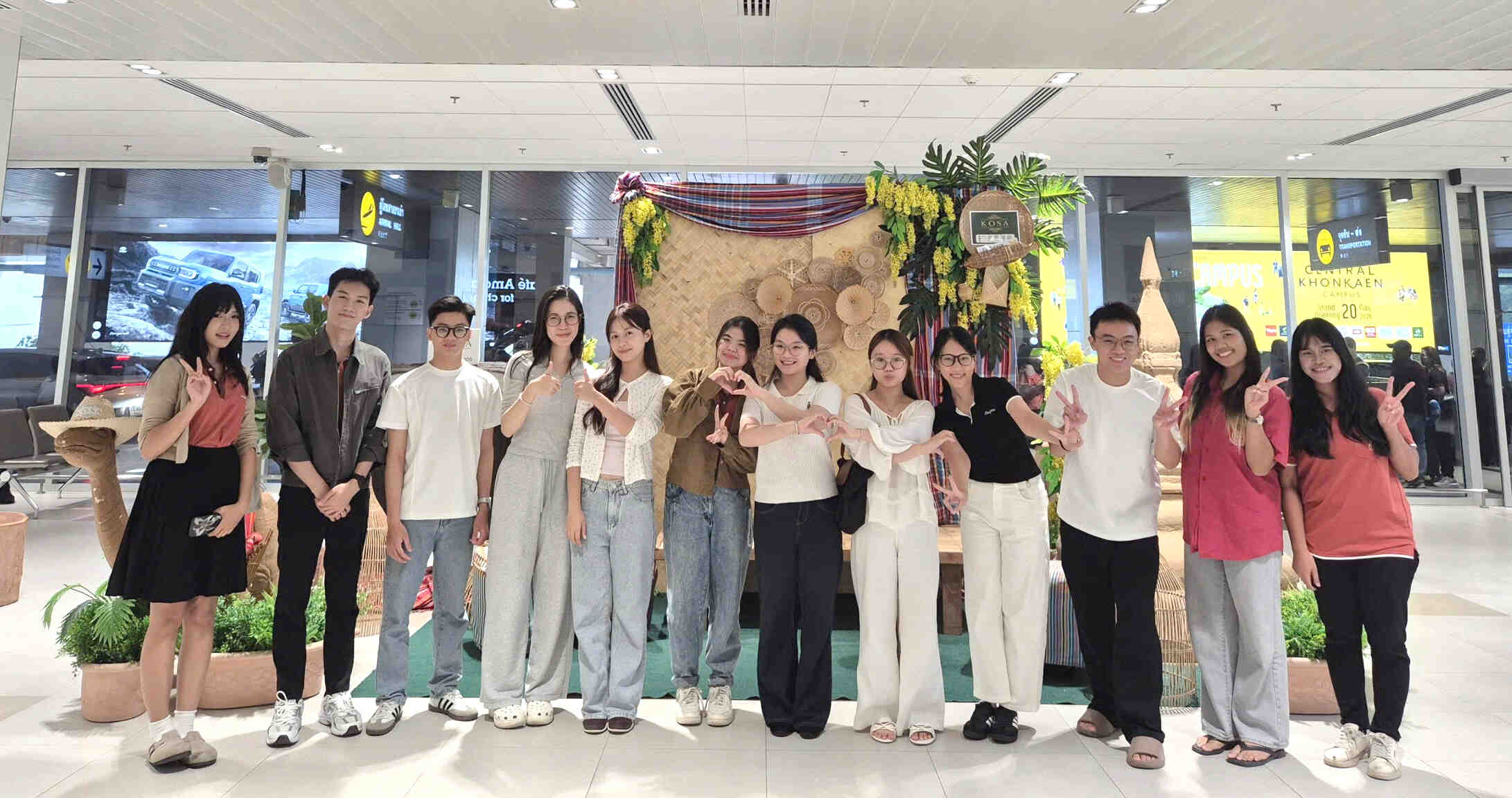
Right from the delegation's arrival in Khon Kaen, leaders, lecturers, staff, and students of COPA extended a warm and thoughtful welcome to the academy's delegation. Speaking at the welcome ceremony, Assoc.Prof.Dr.Sirisak Laochankham, Dean of the College of Public Affairs and Policy, Khon Kaen University, recalled the development of cooperative relations between the two institutions and expressed the hope that the exchange program would help students from both sides understand each other better, build friendships, and maintain long-term connections.
The program was designed combining on-campus thematic sessions with field surveys at local government offices, enterprises, communities, and cultural and historical sites. Leaders and lecturers of the College of Public Affairs and Policy, directly participated in many activities, engaging in discussions, providing explanations, and connecting academy students with local government, enterprises, and Thai students. As a result, topics introduced in thematic sessions were further explored in different practical environments.
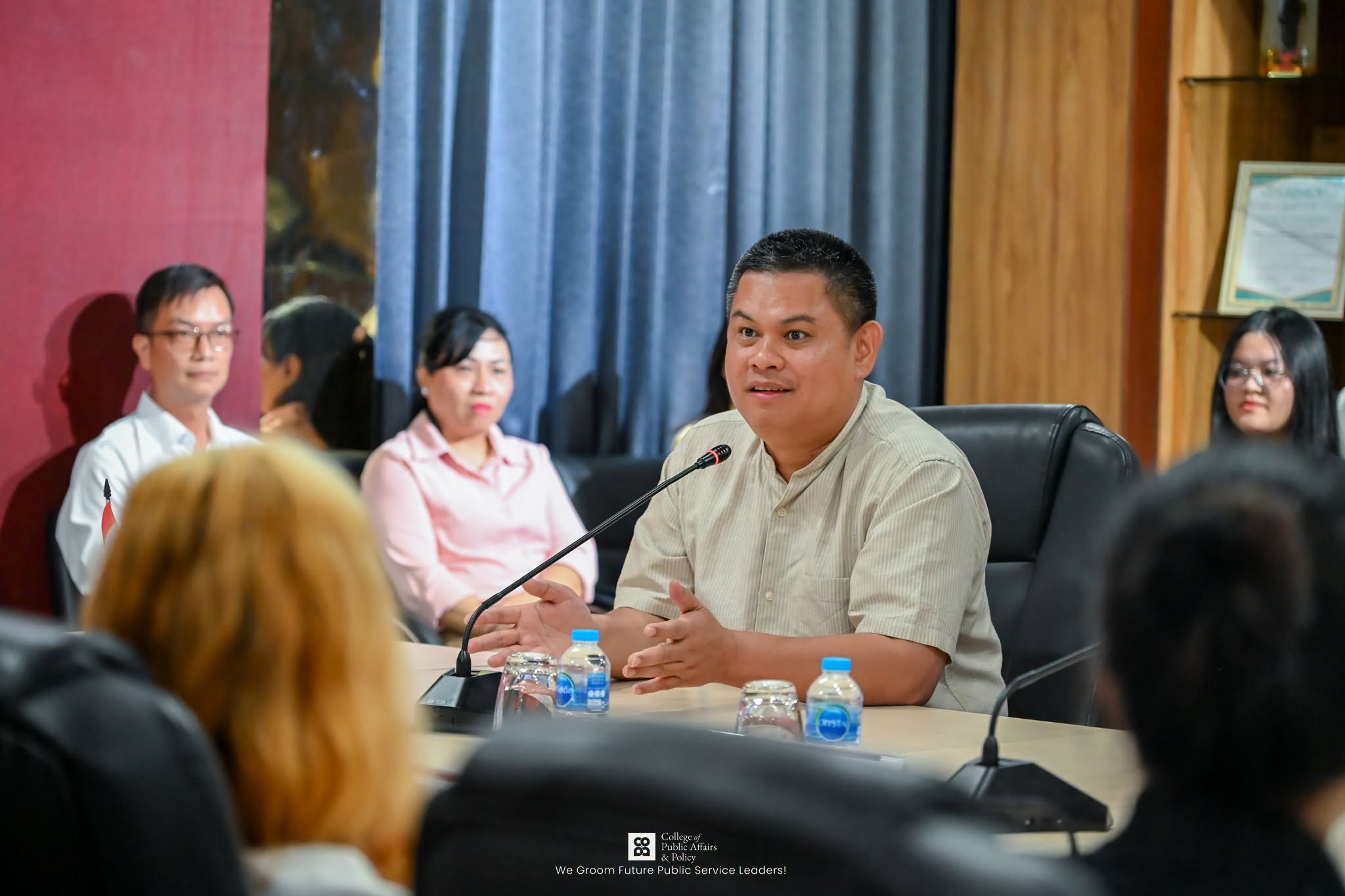 Assoc. Prof. Dr. Sirisak Laochankham, dean of the College of Public Affairs and Policy, at Khon Kaen University, speaking at the welcome ceremony for the delegation
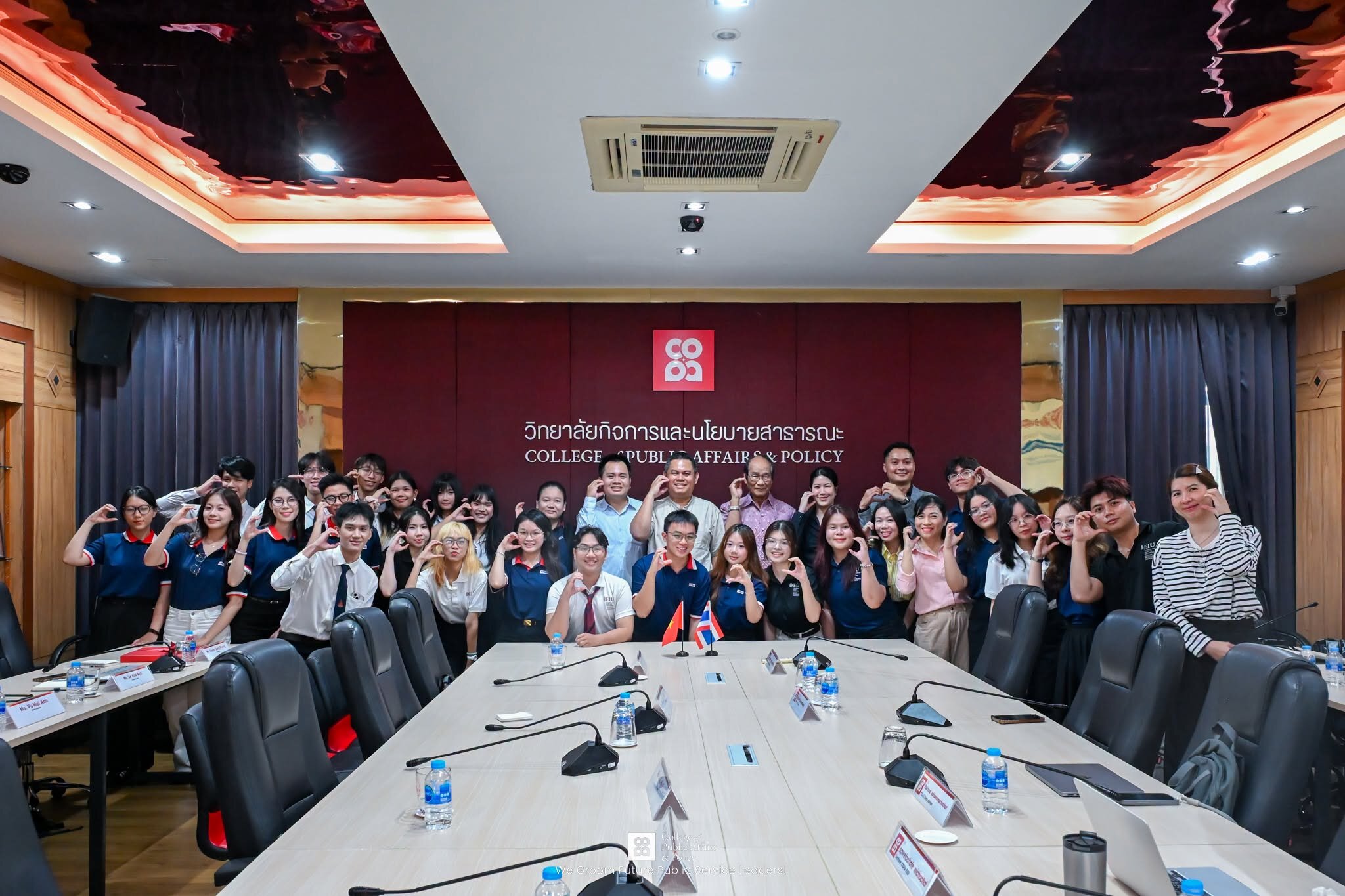 The delegation taking a commemorative photo at the College of Public Affairs and Policy
Learning governance from international reality
The first day of study at COPA began with thematic sessions on artificial intelligence and digital transformation in Thailand, the political, administrative, economic, and social systems of Thailand and Khon Kaen, along with exchanges on the local economic and enterprise ecosystem.
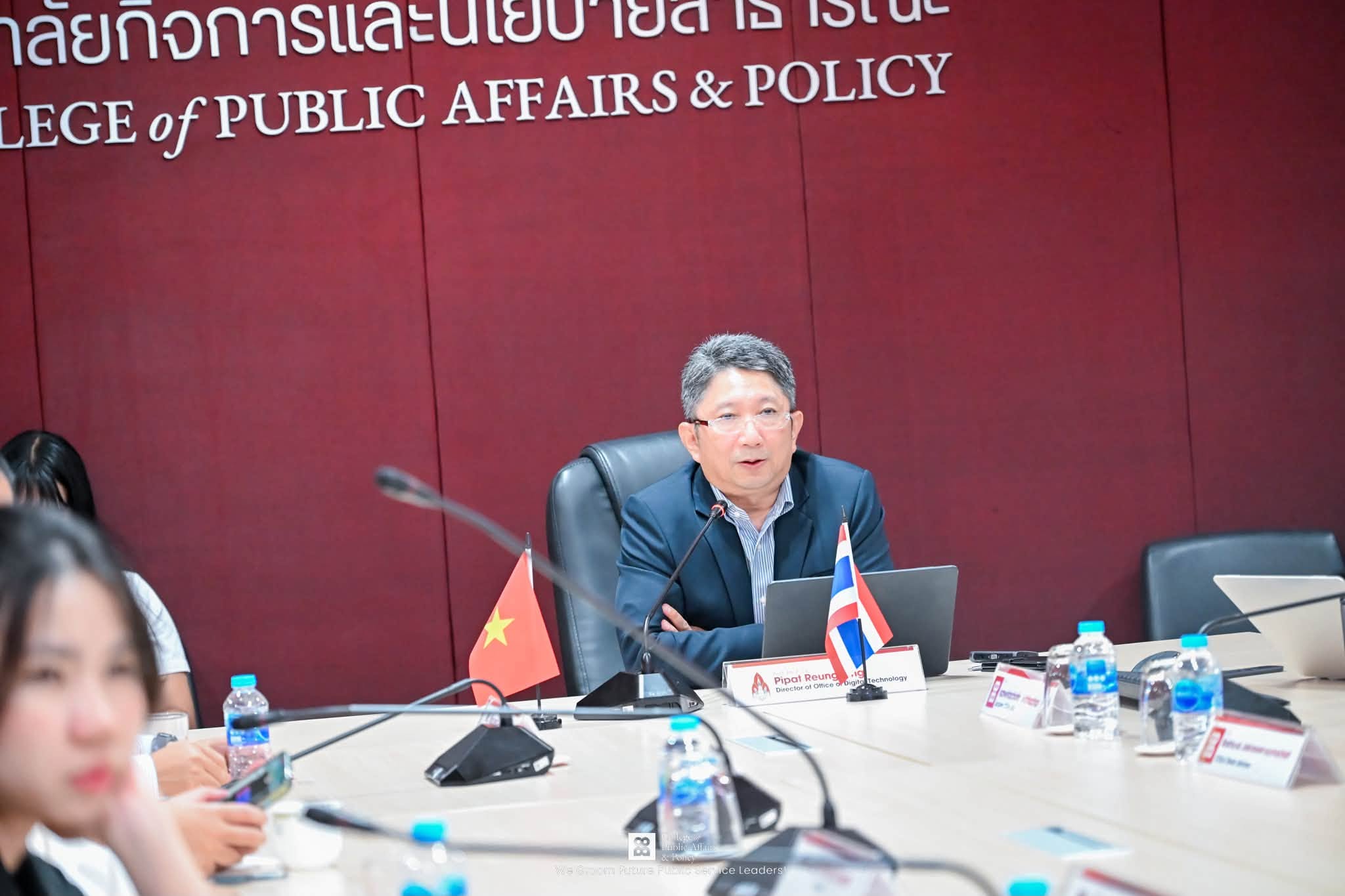 Assoc. Prof. Dr. Pipat Reungseang presenting on "AI transformation in Thailand"
At Sila City municipality, students met directly with the mayor and local managers to learn how the municipal government organizes work across areas such as budget, infrastructure, education, healthcare, environment, social security, and personnel management. The goal of building a "livable city" was demonstrated through concrete activities such as grassroots healthcare, public lighting, security cameras, education, and organizing forums for citizens to participate in community affairs.
Student Le Kha Anh posed questions to the mayor of Sila regarding improving the quality of public services and local governance. Through the exchange, she was particularly interested in citizen participation and the use of geographic information systems to receive community feedback, helping the government understand needs and supporting decision-making. Issues of decentralization, citizen participation, and public service delivery were thus explored through the specific activities of a local government, rather than solely through concepts and models in the curriculum.
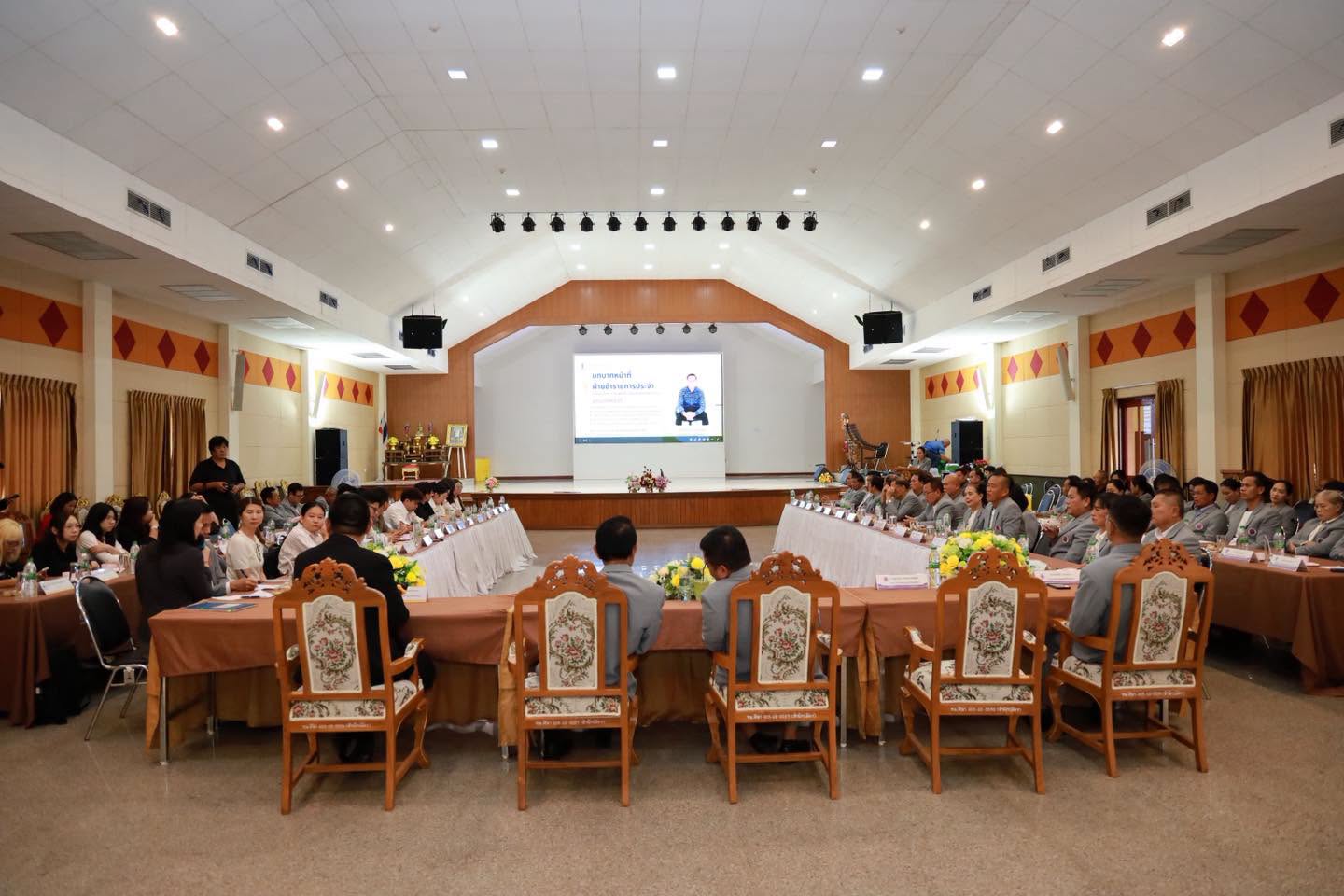
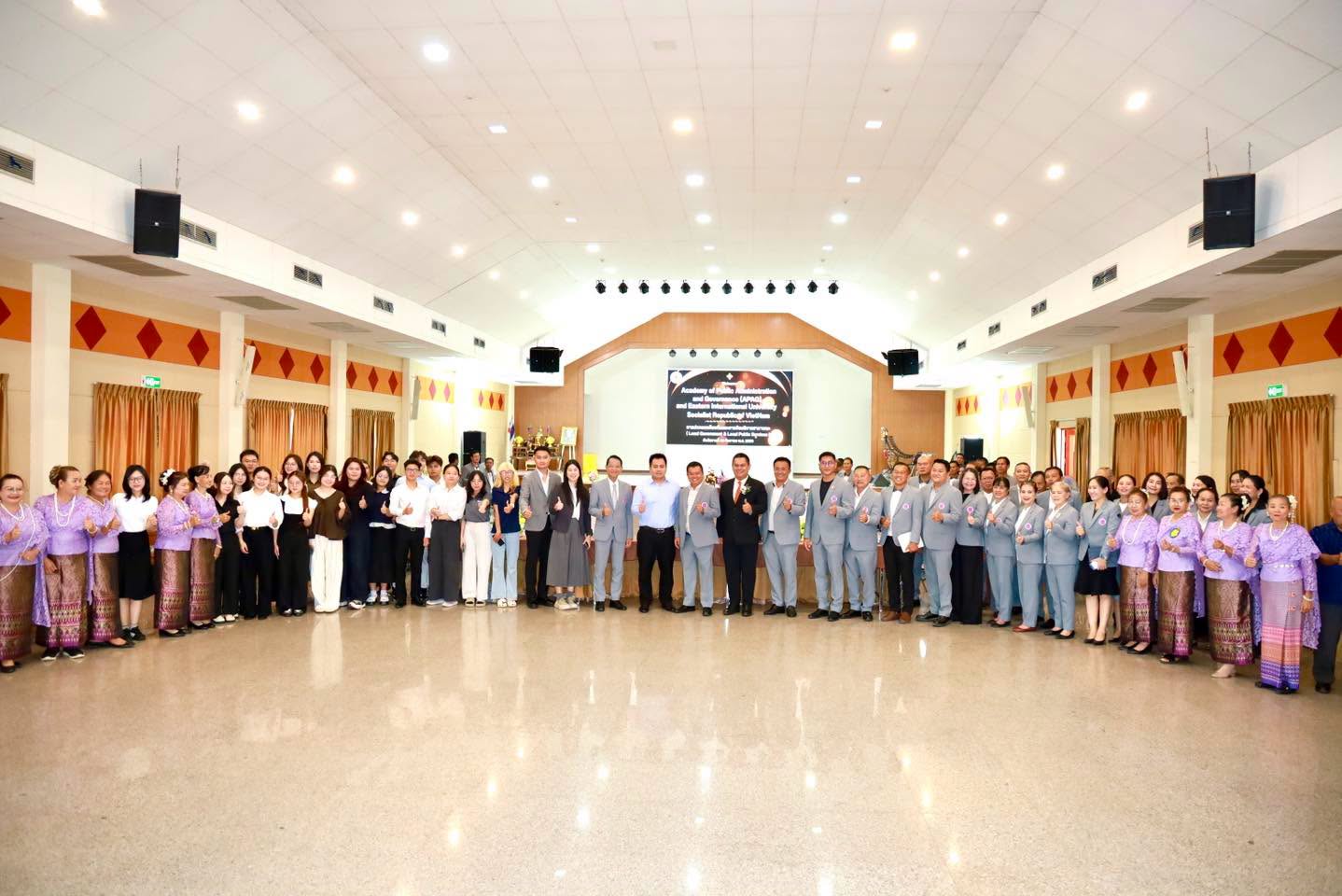 Overview of the meeting with the Sila government
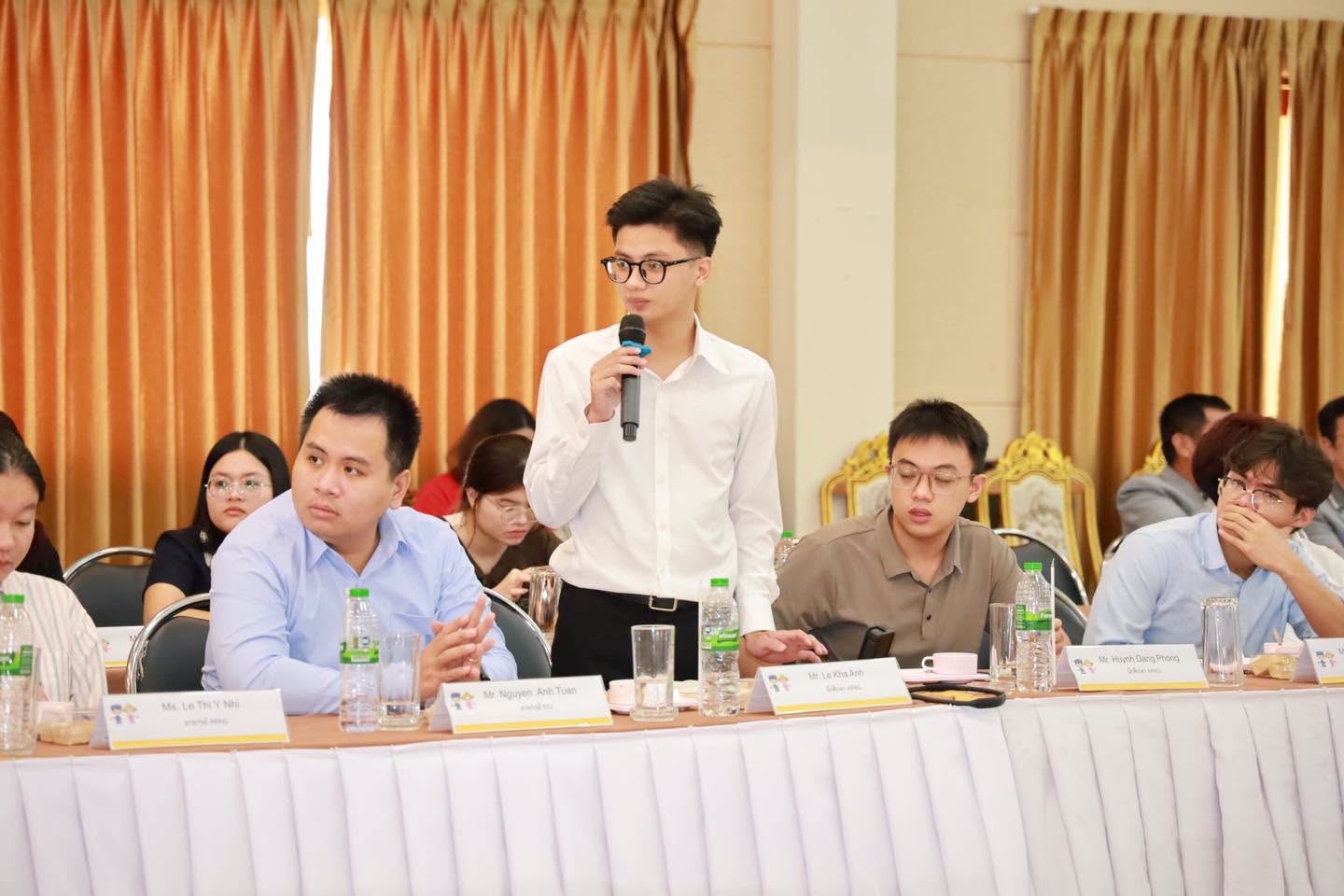 Student Le Kha Anh asking questions to the mayor of Sila
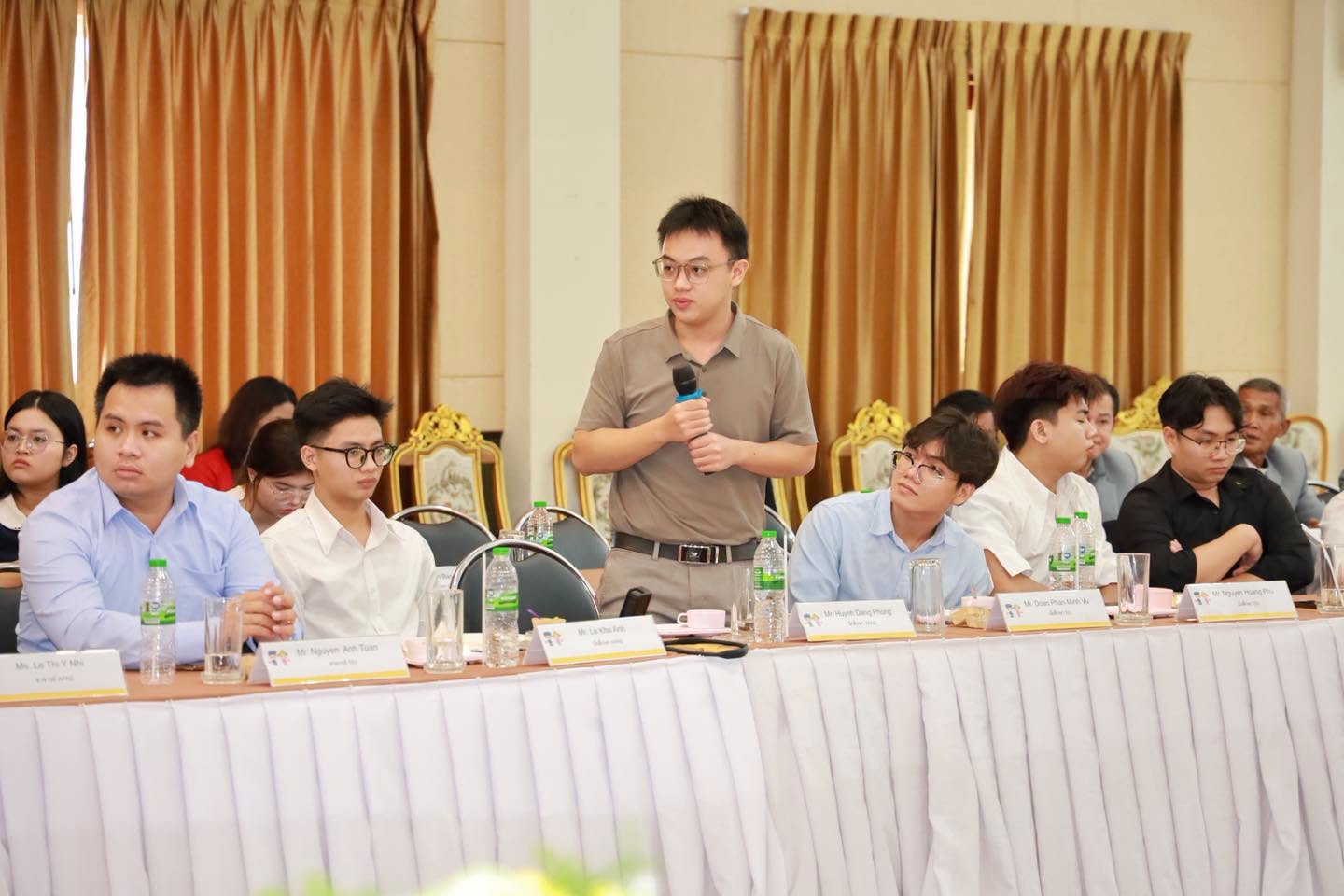 Student Huynh Dang Phong asking questions to the mayor of Sila
At Khon Kaen Fishing Net Group, students learned about the development process of an enterprise from an initial scale of 60 workers to expanding products, markets, and technological capacity. Notably, the enterprise chose to conduct its own research and manufacturing for certain machinery instead of relying entirely on technology purchased from outside, and currently applies artificial intelligence, machine learning, and cameras in several production stages.
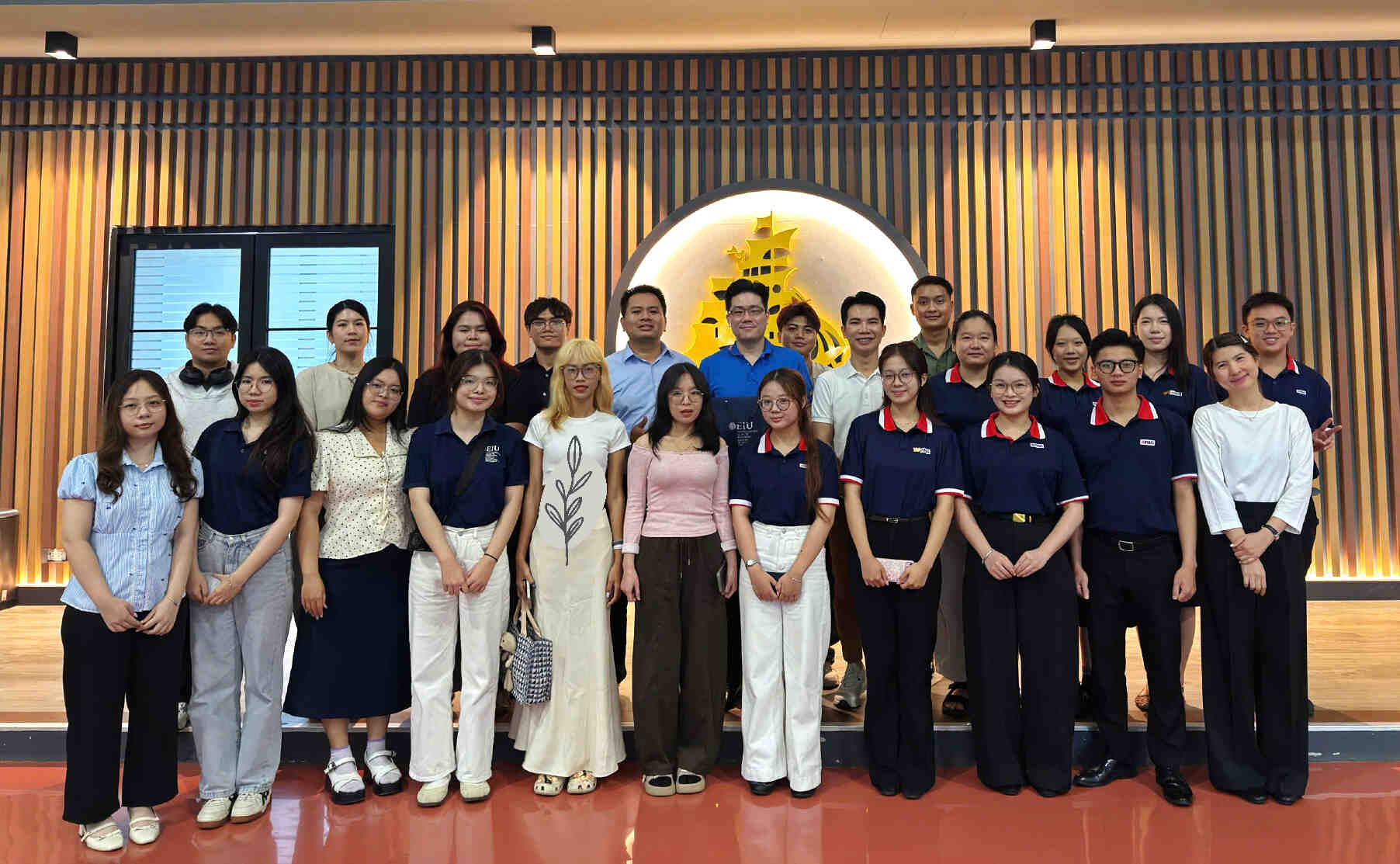 APAG and EIU students taking a commemorative photo at Khon Kaen Fishing Net
Student Vu Mai Anh focused on learning how the enterprise identifies markets, develops products, builds brands, and gradually improves technological capacity. Through discussions, she paid special attention to two factors valued by the enterprise during its development: understanding customer needs and understanding workers. The case of Khon Kaen Fishing Net also helped students observe more specifically the relationship between technology application and the enterprise's capacity for self-innovation.
At VT Namnueng in Udon Thani, students learned about how a culinary product originating from the Vietnamese community was developed into a brand in the Thai market. They observed production processes, quality control, technology application, and how the business expands its market.
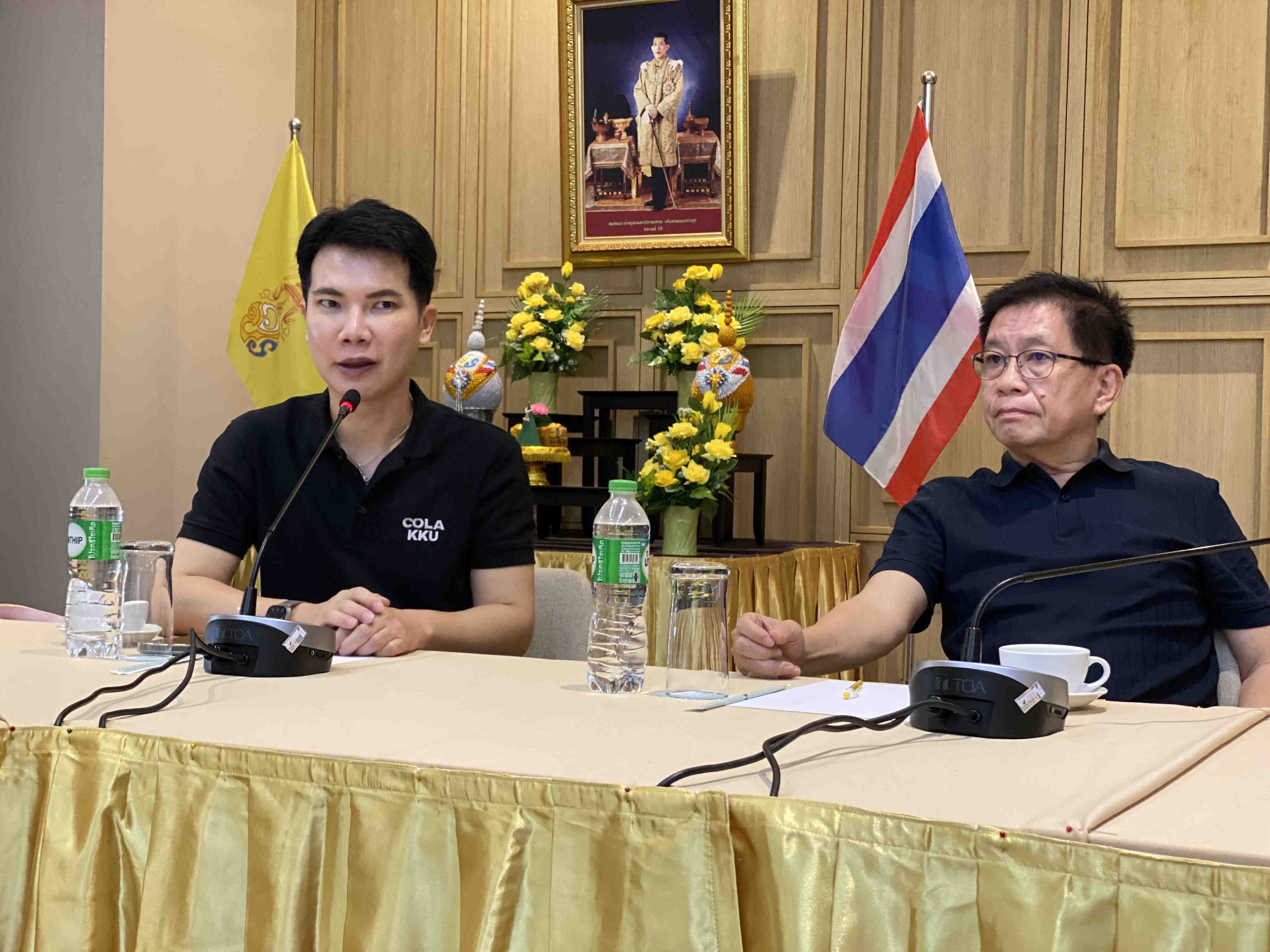 Assoc. Prof. Dr. Grichawat Lowatcharin and Mr. Ho Van Lam, General Director of VT Namnueng
Student Nguyen Hoang Yen Ngoc focused on learning how the business preserves the distinct features of Vietnamese products while adjusting to fit the Thai market. The case of VT Namnueng provided a concrete example of combining product identity, market adaptation, and business organization in a different environment.
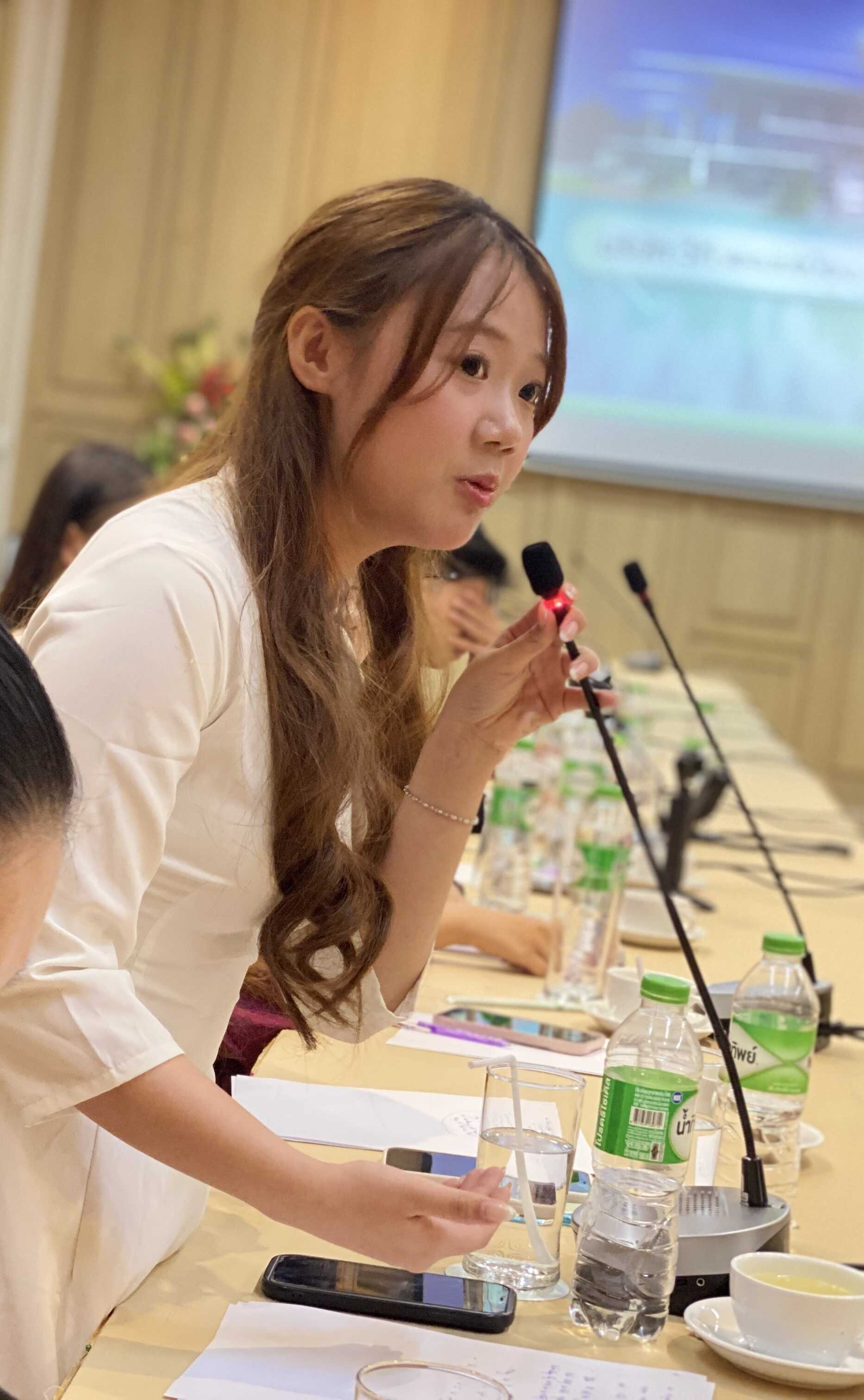 Student Nguyen Ngoc Linh Dan asking a question to Mr. Ho Van Lam
Visiting the President Ho Chi Minh Memorial Site in Udon Thani
In the program in Thailand, the visit to the President Ho Chi Minh Memorial Site in Udon Thani left many thoughts with the academy's students. After days of learning about Thai governance, economy, technology, and social life, in Udon Thani, they had the opportunity to learn a piece of Vietnamese history right on Thai soil.
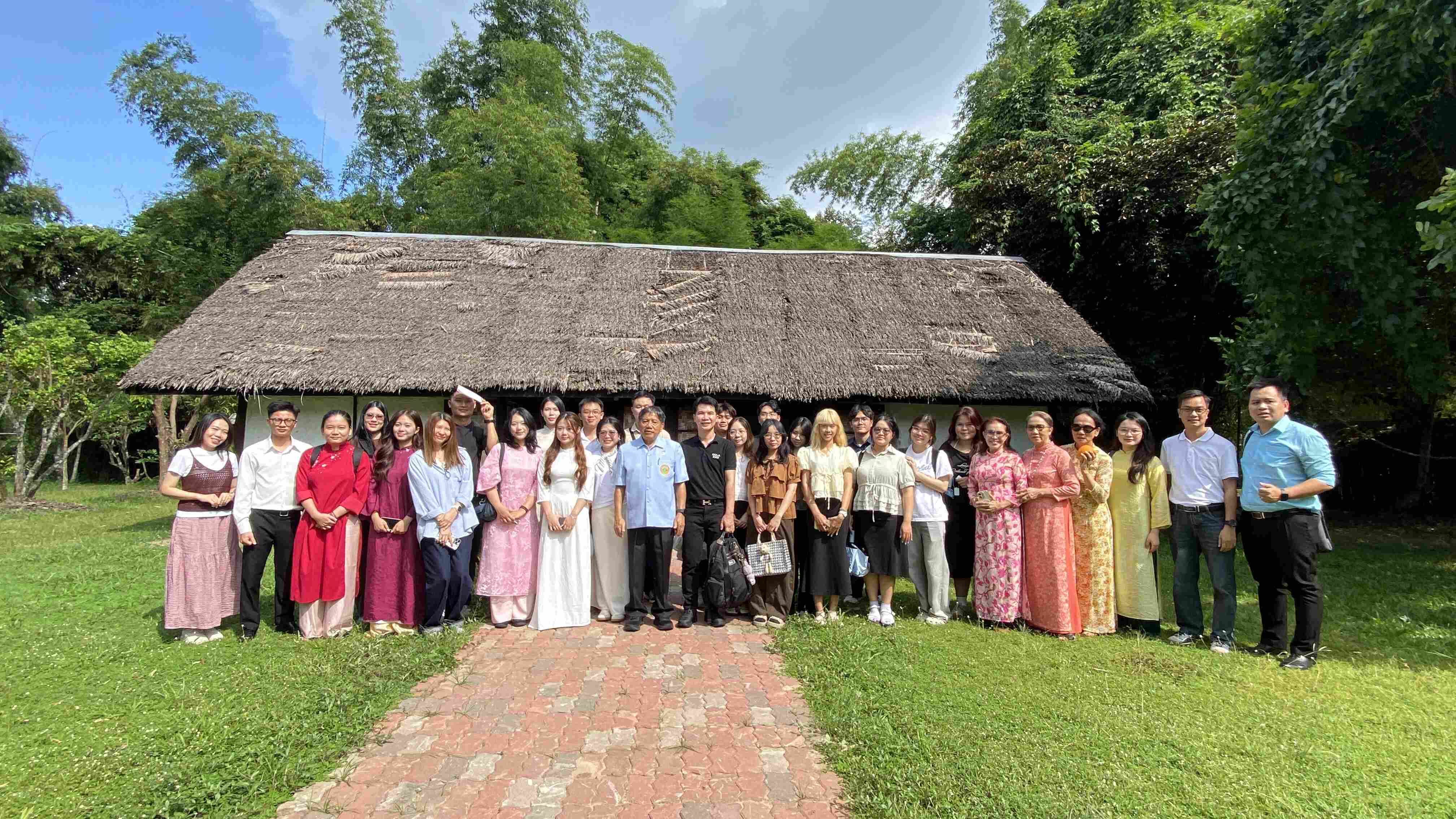 The student delegation taking a commemorative photo in front of Uncle Ho's house
In the late 1920s, Udon Thani was one of the areas associated with President Ho Chi Minh's time of revolutionary activities in Thailand. During the years when the country had not yet gained independence, he lived and worked within the Vietnamese community here, conducting propaganda, mobilizing, and building revolutionary bases. Traces of that period are preserved by the Vietnamese community and the Thai side to this day.
For students born many decades after the war, history previously known through textbooks became more concrete when they were present at the place where President Ho Chi Minh once lived and worked. A thatched roof, artifacts, and stories about him and the Vietnamese community in Udon Thani helped them visualize more clearly the life and activities of President Ho Chi Minh and Vietnamese people far from the homeland during the years of struggle for independence. In another country, they had the opportunity to better understand the history of their own country.
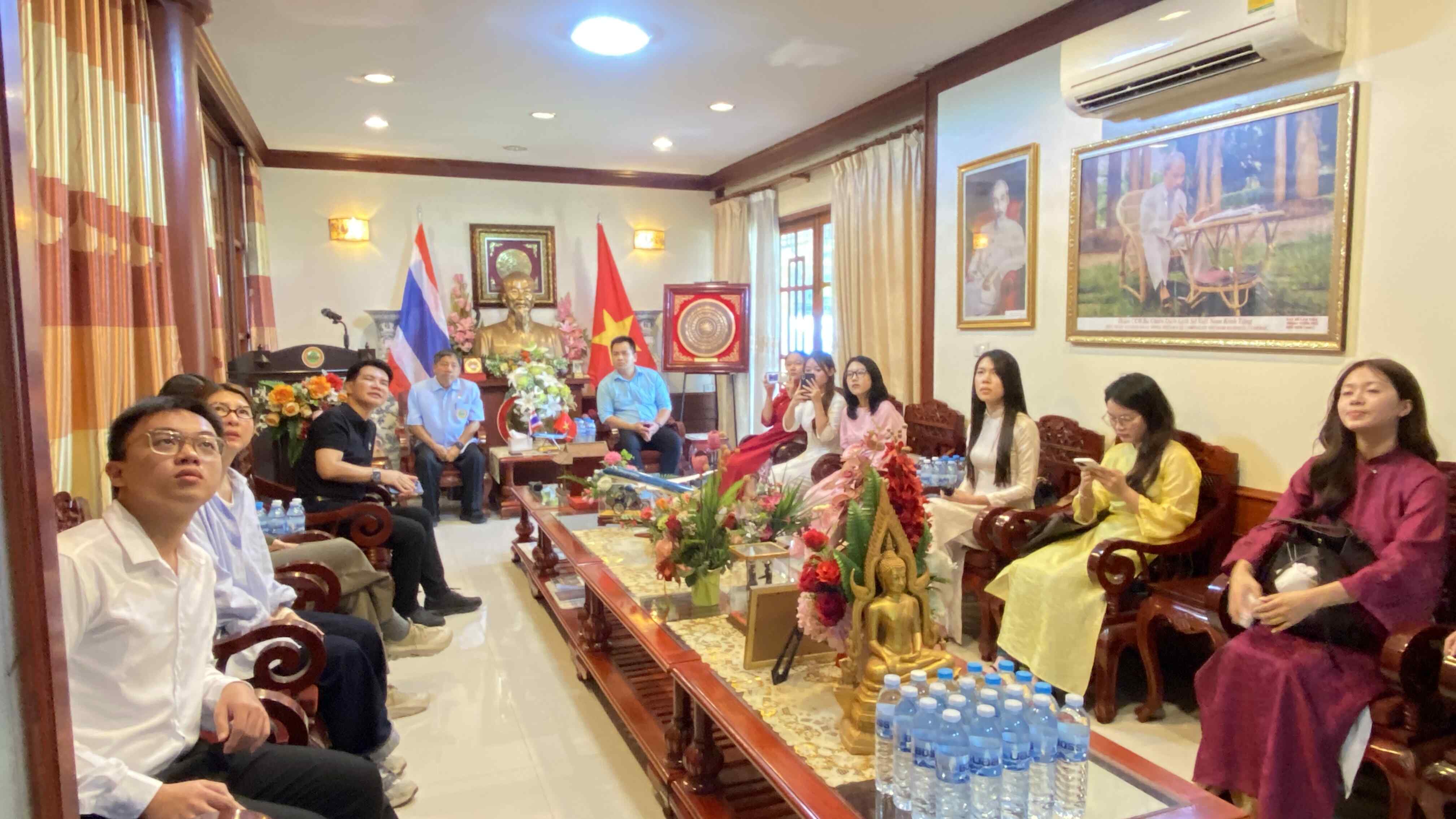 APAG students meeting with the management board of the Memorial Site
Nearly a century later, Vietnamese students were present in Udon Thani in a completely different context: as students of an independent country, coming to Thailand to study, exchange, and cooperate. At the place preserving traces of the years President Ho Chi Minh worked for national independence, they felt more clearly the value of independence, peace, and the opportunities their generation possesses.
Udon Thani also helped them better understand the long-standing ties between Vietnam and Thailand, cultivated not only through state-to-state relations but also through generations of Vietnamese living in Thailand and their relationships with local people. Studying with COPA students, meeting Thai people, the Vietnamese community, and visiting the President Ho Chi Minh relic site helped them view bilateral relations through specific people and stories, thereby deepening their appreciation for history, national values, and the responsibility of the young generation in continuing to build Vietnam - Thailand friendship.
During the program, the delegation also visited the Consulate General of Vietnam in Khon Kaen and met with consul general Dinh Hoang Linh. Students reported on their learning and exchange process at Khon Kaen University and the issues studied through survey activities. The consul general acknowledged the students' initiative while exchanging views on Vietnam - Thailand relations, the Vietnamese community in Northeastern Thailand, and the role of the young generation in maintaining and developing relations between the two countries.
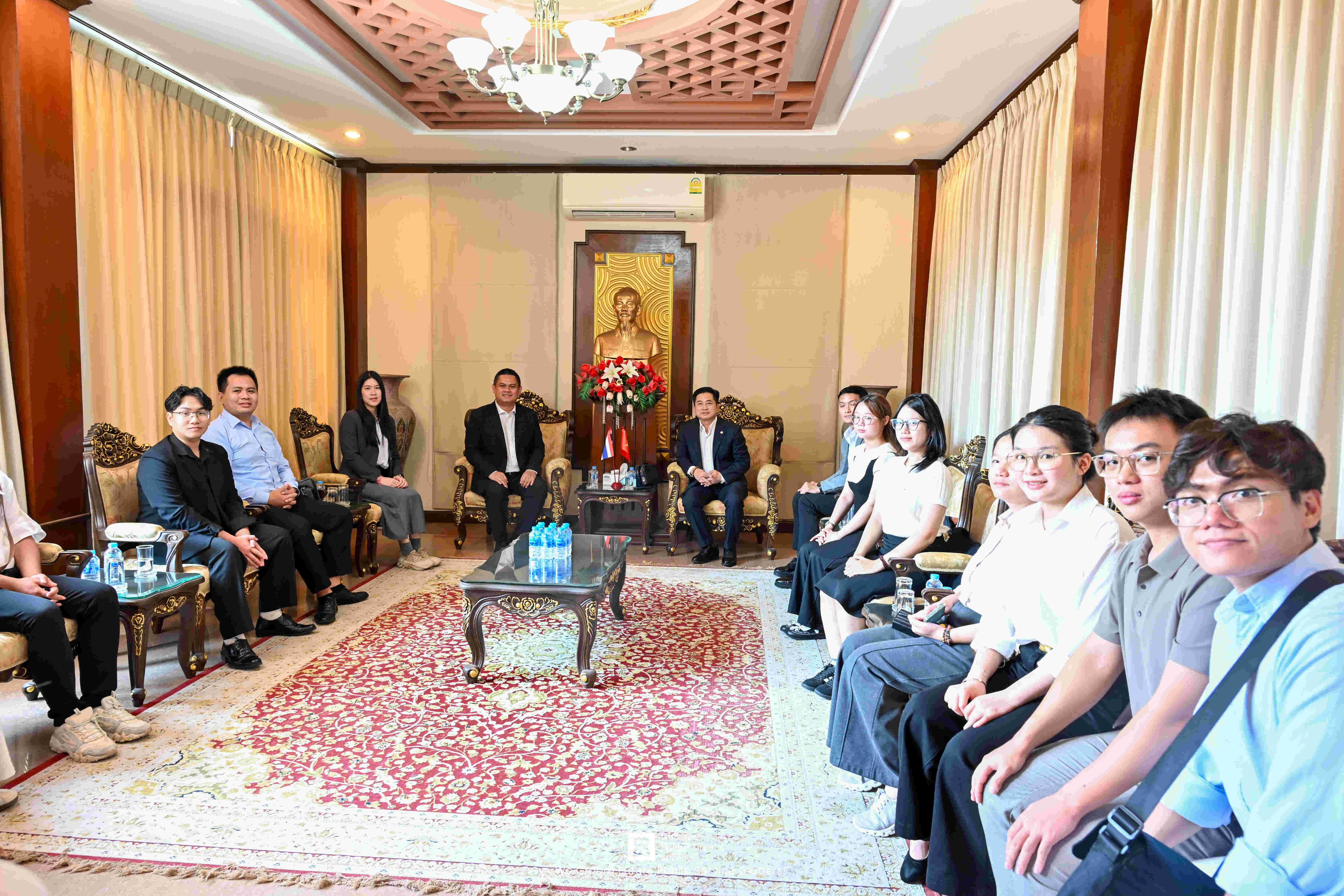 Overview of the meeting with the Consulate General of Vietnam in Khon Kaen
Learning from specific issues
Participating in the same program, each student conducted in-depth research on a specific issue. Huynh Dang Phong, a student from the academy's campus in Da Nang, explored Thai culture and working methods; Tran Ngoc Hoai An focused on artificial intelligence applications and digital transformation, combining topics discussed at the College of Public Affairs and Policy, with direct observations at Khon Kaen University, Sila government, and businesses. Other students explored issues of local governance, public services, enterprises, technology, and markets.
Identifying issues in advance helped program activities avoid becoming isolated visits or separate study sessions. Students used thematic sessions, surveys, and exchanges as different sources of information for the issues they were investigating, requiring them to proactively observe, ask questions, select information, and compare it with learned knowledge as well as Vietnamese realities.
Over six days, students also used foreign languages in study and communication, introducing themselves and the academy, exchanging with lecturers, local government leaders, businesses, and Thai students. The report after the program focused on the issue each student selected, gathered information and observations, analyzed the issue, and drew connections to Vietnam.
For the Academy of Public Administration and Governance, the program's value lies primarily in connecting curriculum knowledge with governance issues in different practical contexts. Decentralization, citizen participation, public service delivery, or digital transformation were explored by students through universities, local governments, and businesses. Through this, they were able to recognize that the same issue can be approached and handled differently depending on specific institutions, organizations, and conditions. The ability to observe, compare, and analyze these differences is necessary for students in fields related to public administration, governance, and development management.
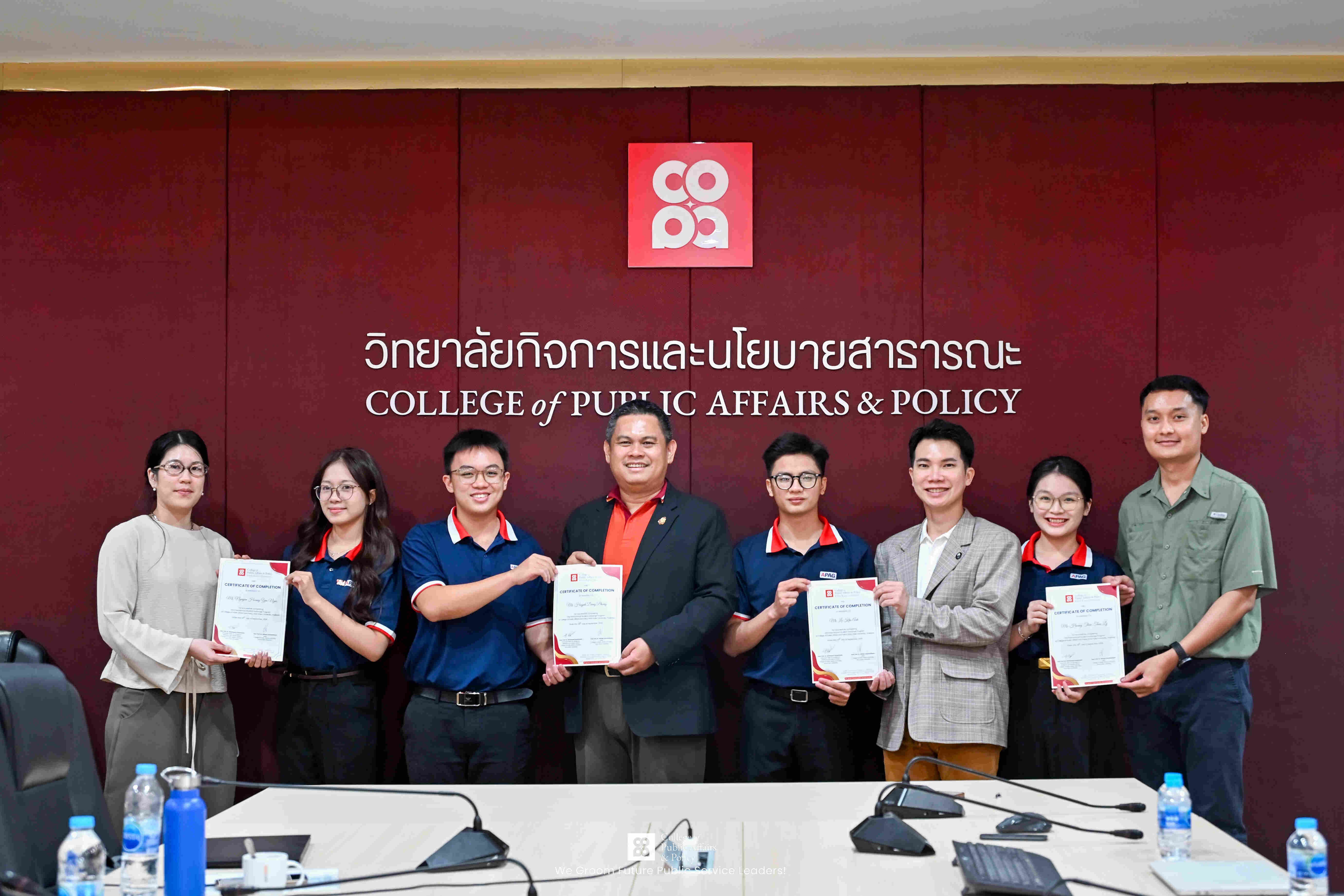
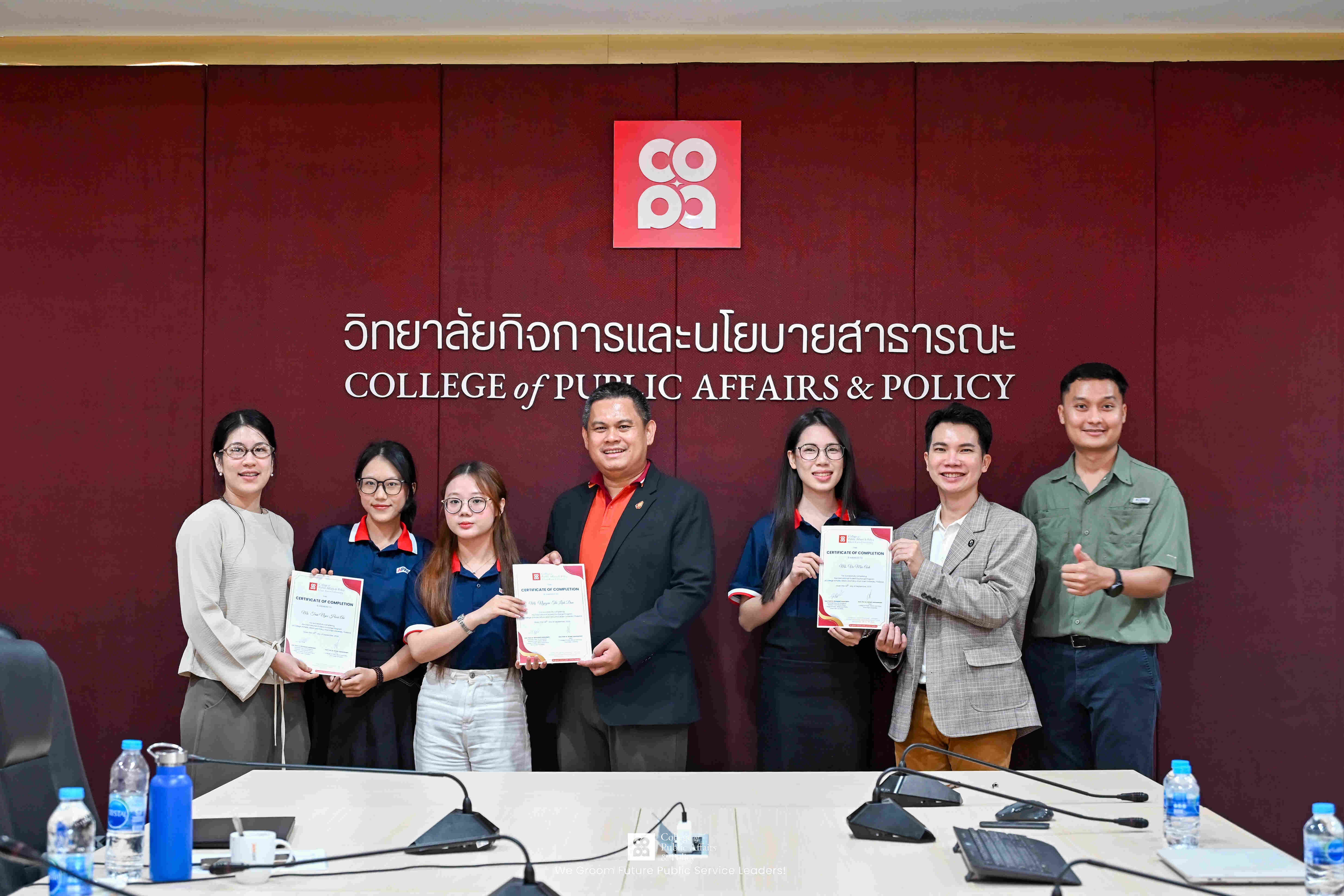 APAG students receiving certificates of completion for the student exchange program
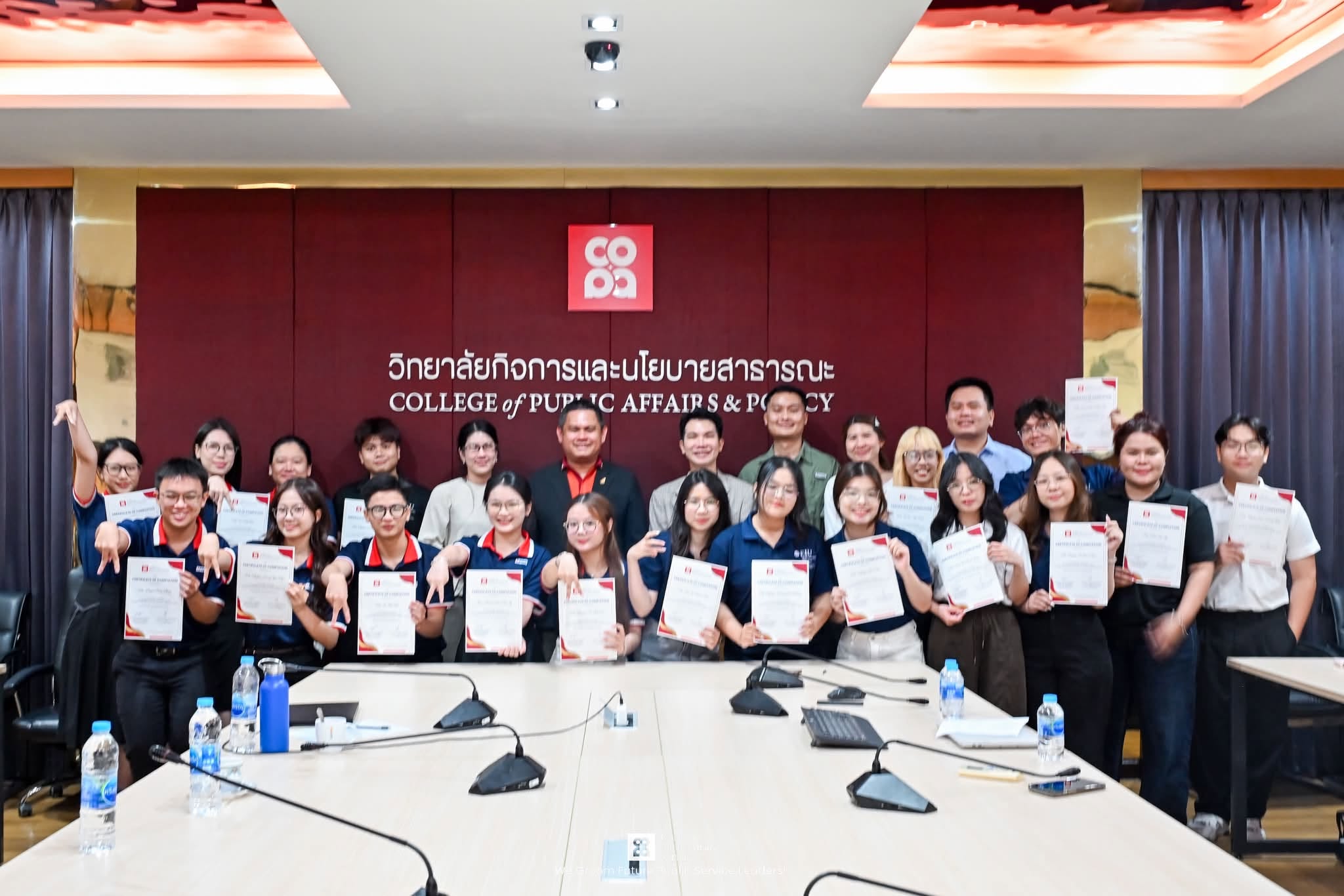 APAG students at the closing ceremony
The program also demonstrates a direction for international cooperation directly linked to the academy's training and research. The participation of students, lecturers, and staff from both sides, along with connecting the program to local governments, businesses, and communities, helps expand the learning environment and create additional professional connections for the two institutions to continue coordinating. On this basis, the academy and Khon Kaen University can develop two-way student exchanges while linking this activity with faculty exchanges, joint research, and specific academic activities. This is also a way for international cooperation to directly participate in improving the quality of training and research at the academy.