On January 21, 2026, in Hanoi, the Academy of Public Administration and Governance (APAG), in collaboration with INHA University (Republic of Korea), the Korean Association for International Cultural Exchange, and the Korean Multicultural Harmony Research Institute, organized an international scientific seminar themed “Diversity and Intercultural Practices in Multicultural Societies” The seminar aimed to create an academic forum for exchanging knowledge and sharing practical experiences in research, governance, and the development of multicultural societies amidst the context of globalization and extensive international integration.
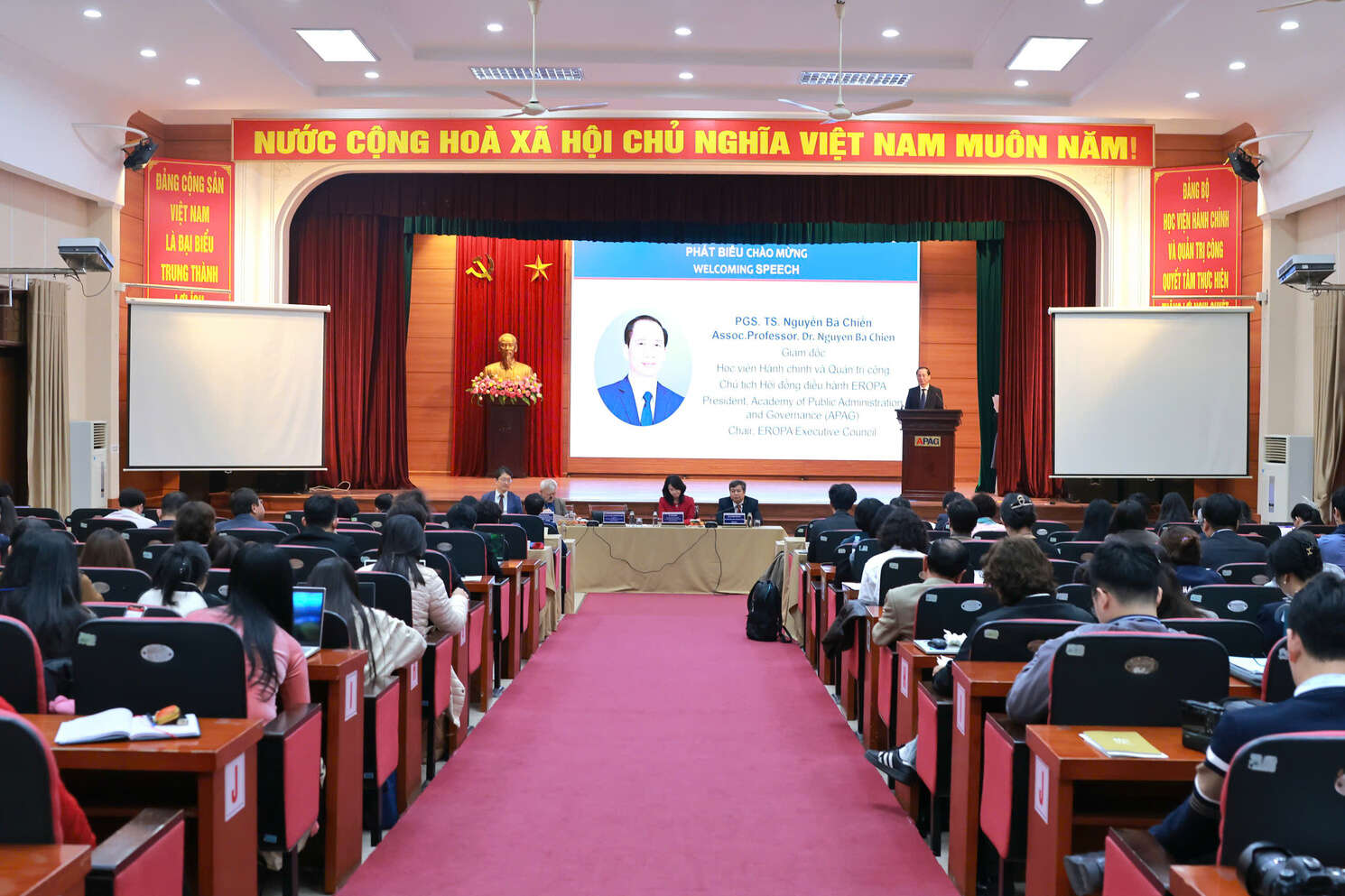 Overview of the international scientific seminar
Attending the seminar from the Korean partner side were: Prof. Dr. Park Inock, Chairperson of the Korean Association for International Cultural Exchange, Kangwon National University; Prof. Dr. Jin Dae-Yeon, Sun Moon University; Prof. Kim Young Soon, President of the Coexistence and Solidarity Foundation and Director of the Multicultural Convergence Research Institute at INHA University; along with scientists and experts from the Korean Association for International Cultural Exchange and the Korean Multicultural Harmony Research Institute.
From the Academy of Public Administration and Governance (APAG) were: Assoc. Prof. Dr. Nguyen Ba Chien, President of the Academy; Assoc. Prof. Dr. Luong Thanh Cuong, Vice President of the Academy; Dr. Bui Phuong Dinh, Vice President of the Academy; Assoc. Prof. Dr. Dang Khac Anh, Dean of the Faculty of Social Development Management; Ms. Pham Thi Quynh Hoa, Acting Director of the Department of Science Management and International Cooperation; leaders of various faculties, departments, and units under and affiliated with the Academy; along with a large number of lecturers, fellows, and students.
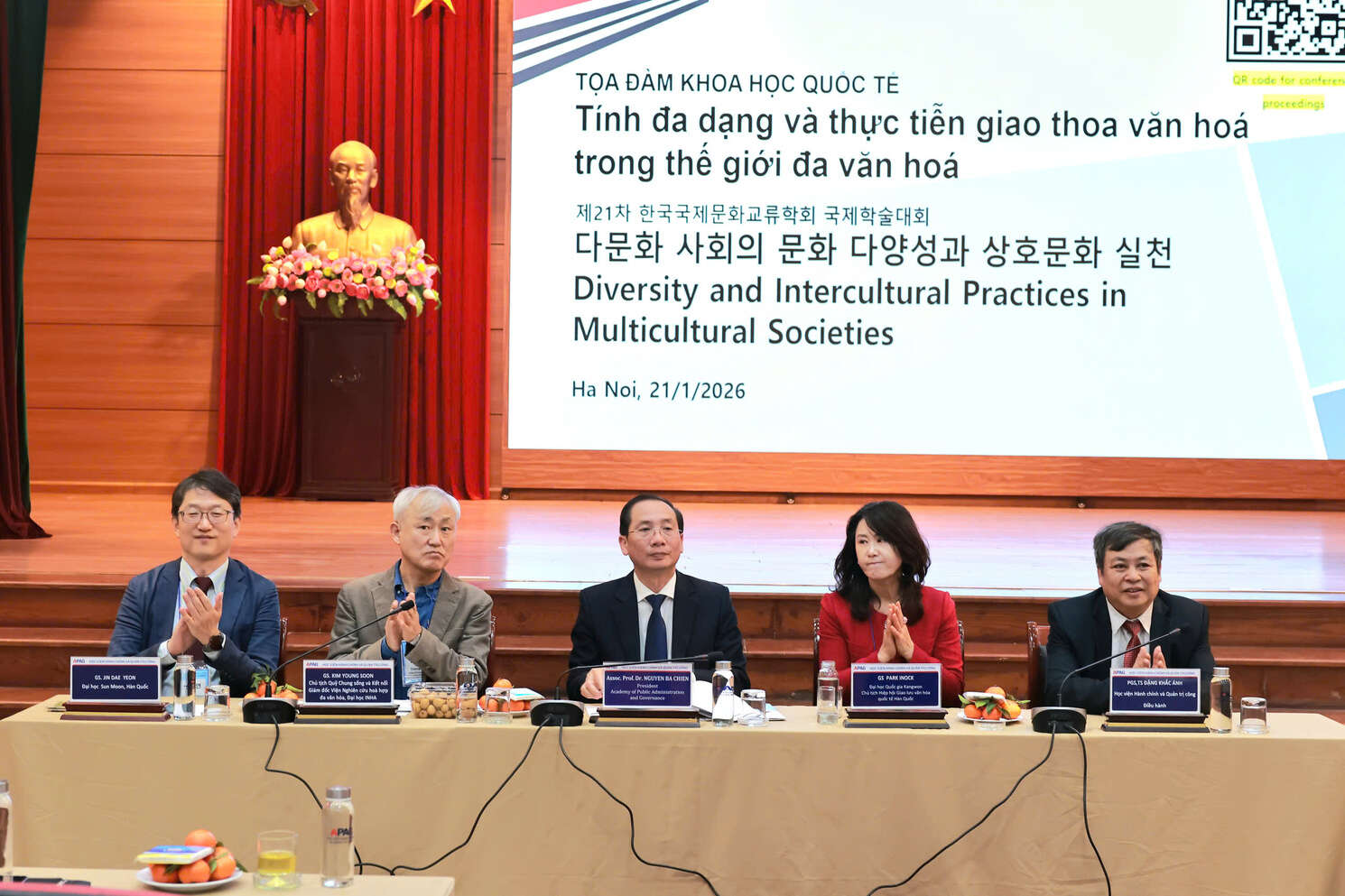 Organizing Committee of the Seminar
In her welcoming remarks at the seminar, Prof. Dr. Park Inock emphasized the role of cultural diversity and interculturality in promoting international cooperation and strengthening mutual understanding between nations and communities in the context of globalization. According to her, the current world is entering an “age of migration” and a “hyper-connected society,” where cross-border migration flows and the rapid development of digital technology both expand cultural exchange and pose numerous challenges for multicultural social governance.
Subsequently, Prof. Dr. Jin Dae-Yeon, affirmed that the seminar is an important academic forum to connect knowledge, share research experiences, and expand academic cooperation between Viet Nam and the Republic of Korea.
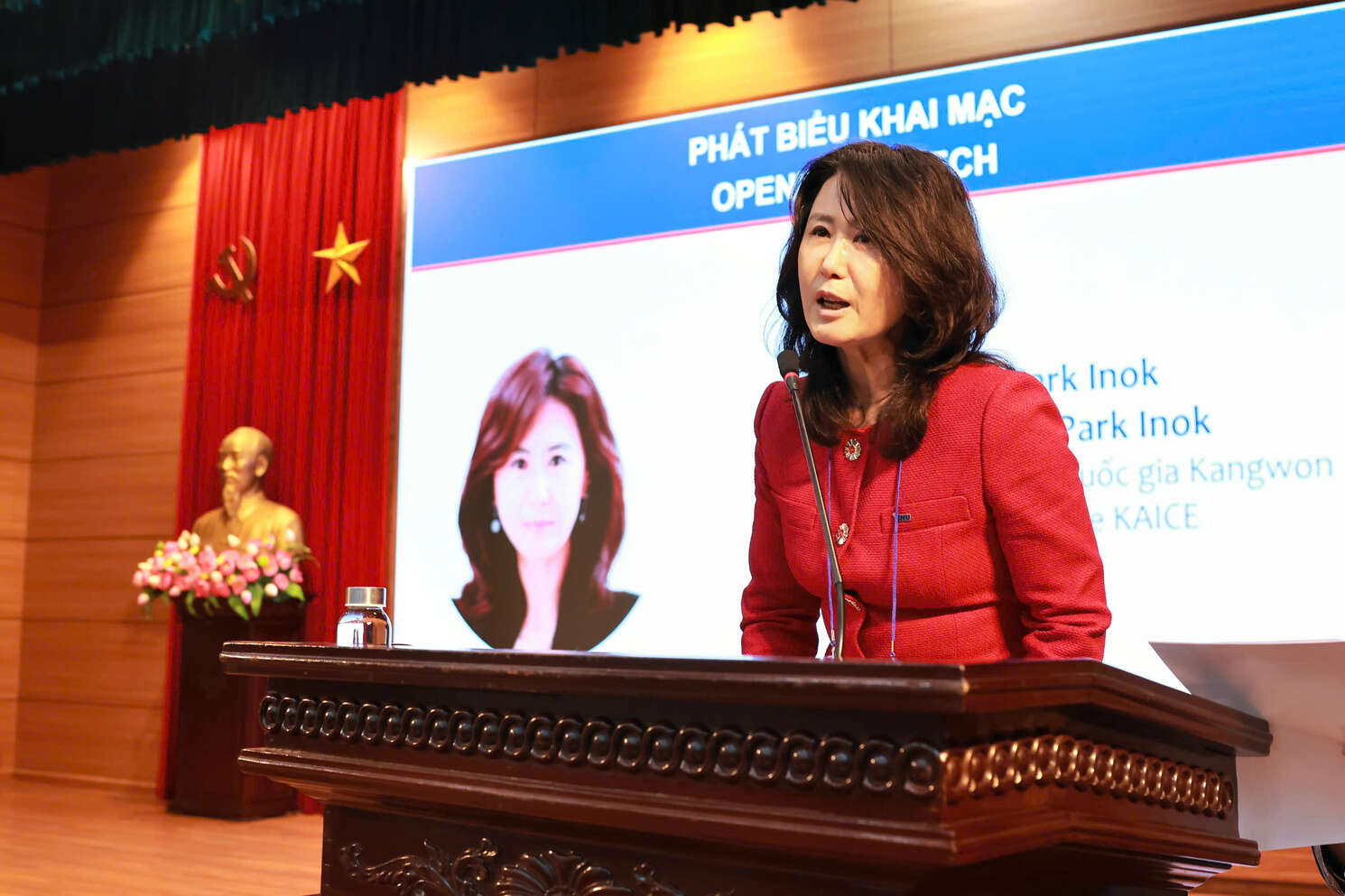 Prof. Dr. Park Inock delivering welcoming remarks at the seminar
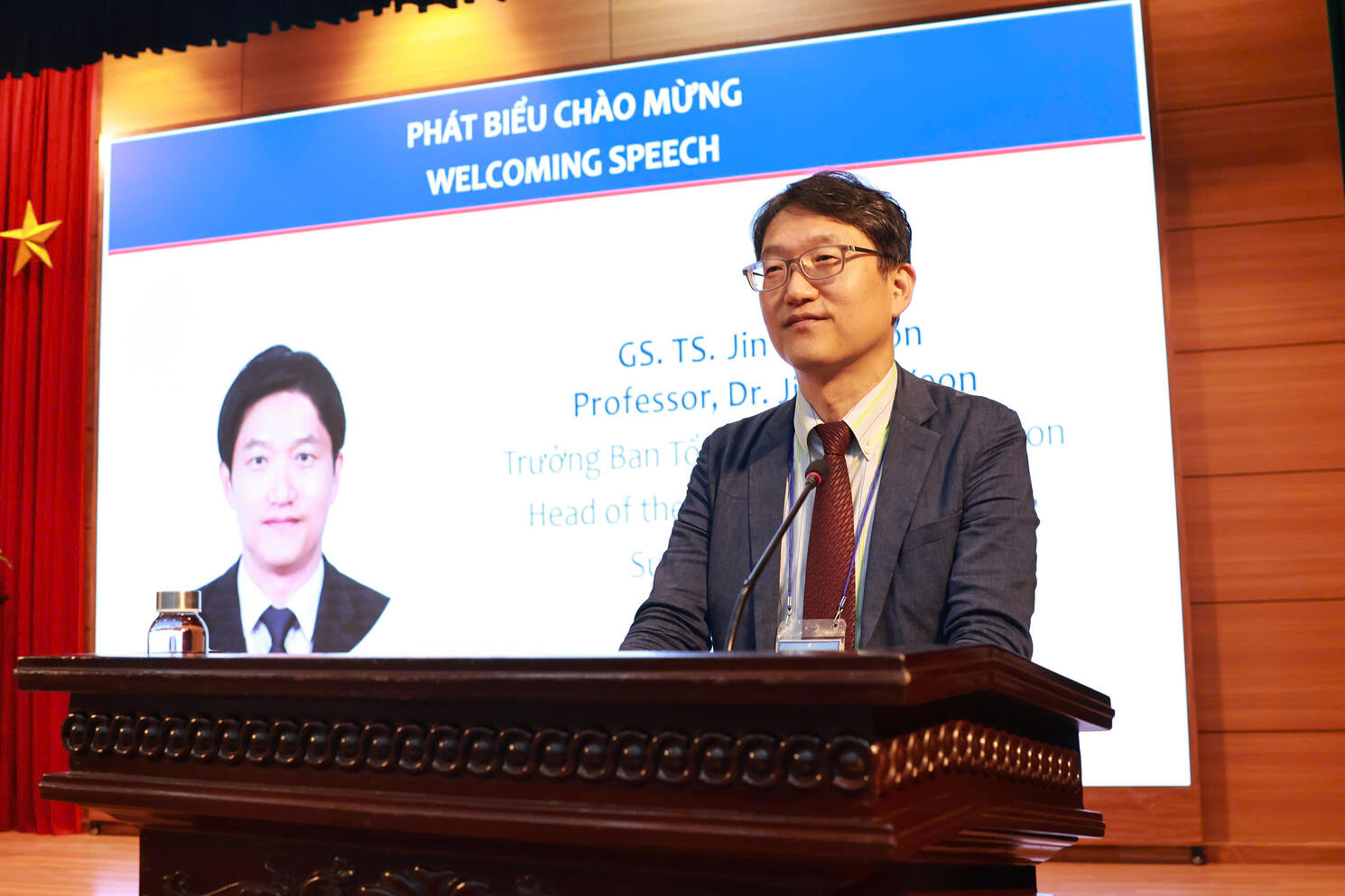 Prof. Dr. Jin Dae-Yeon delivering welcoming remarks at the seminar
In his opening speech, Assoc. Prof. Dr. Nguyen Ba Chien, President of the Academy of Public Administration and Governance, emphasized that in the context of globalization, digital transformation, and increasingly profound international exchange, cultural diversity has become a structural feature of global social life. The current challenge is not only to respect differences, but more importantly, to harmoniously govern diversity, turning intercultural intersection into a resource for sustainable development.
Assoc. Prof. Dr. Nguyen Ba Chien stated that the seminar was organized as Viet Nam is promoting comprehensive international integration in accordance with the spirit of the Politburo’s Resolution No. 59-NQ/TW, which requires strengthening cultural adaptability, intercultural dialogue, and cooperation. This is also an important activity in the Academy's internationalization strategy, contributing to the expansion of research, training, and academic exchange, effectively serving state management in the context of deep integration.
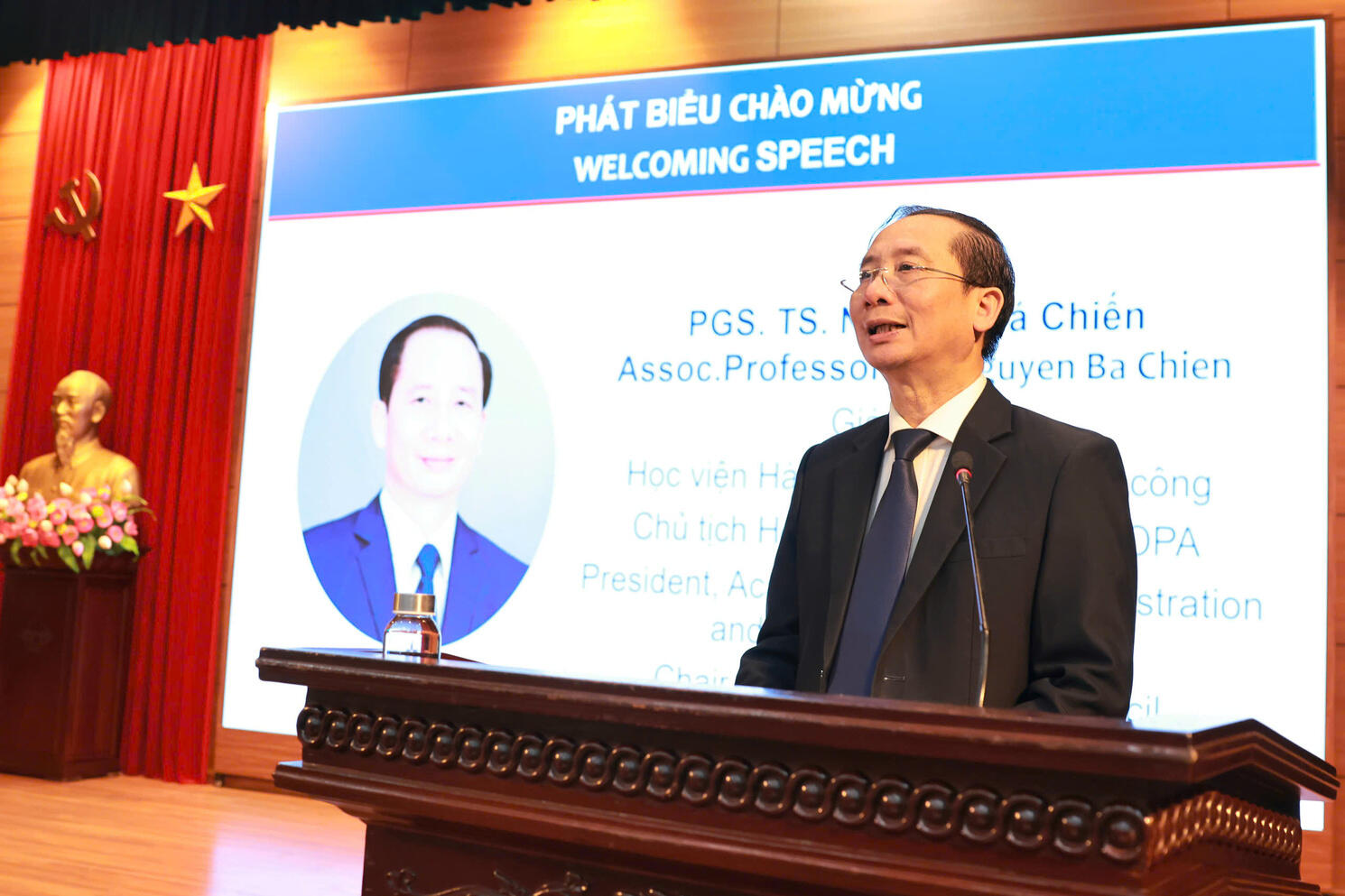 Assoc. Prof. Dr. Nguyen Ba Chien delivering the opening remarks at the seminar
During the plenary session, Assoc. Prof. Dr. Nguyen Ba Chien presented a paper titled “Viet Nam’s Foreign Policy and International Cooperation of the Academy of Public Administration and Governance in a Multicultural Context” The paper analyzed the rapidly changing global landscape characterized by strategic competition, digital transformation, value chain disruptions, and global challenges, thereby identifying new requirements for state governance and foreign policy-making. Accordingly, Viet Nam’s foreign policy is shifting from a mindset of “expanding cooperation space” to a strategic approach based on competency, centering on enhancing national internal strength and viewing integration as a means to strengthen institutional capacity, governance, and human resources.
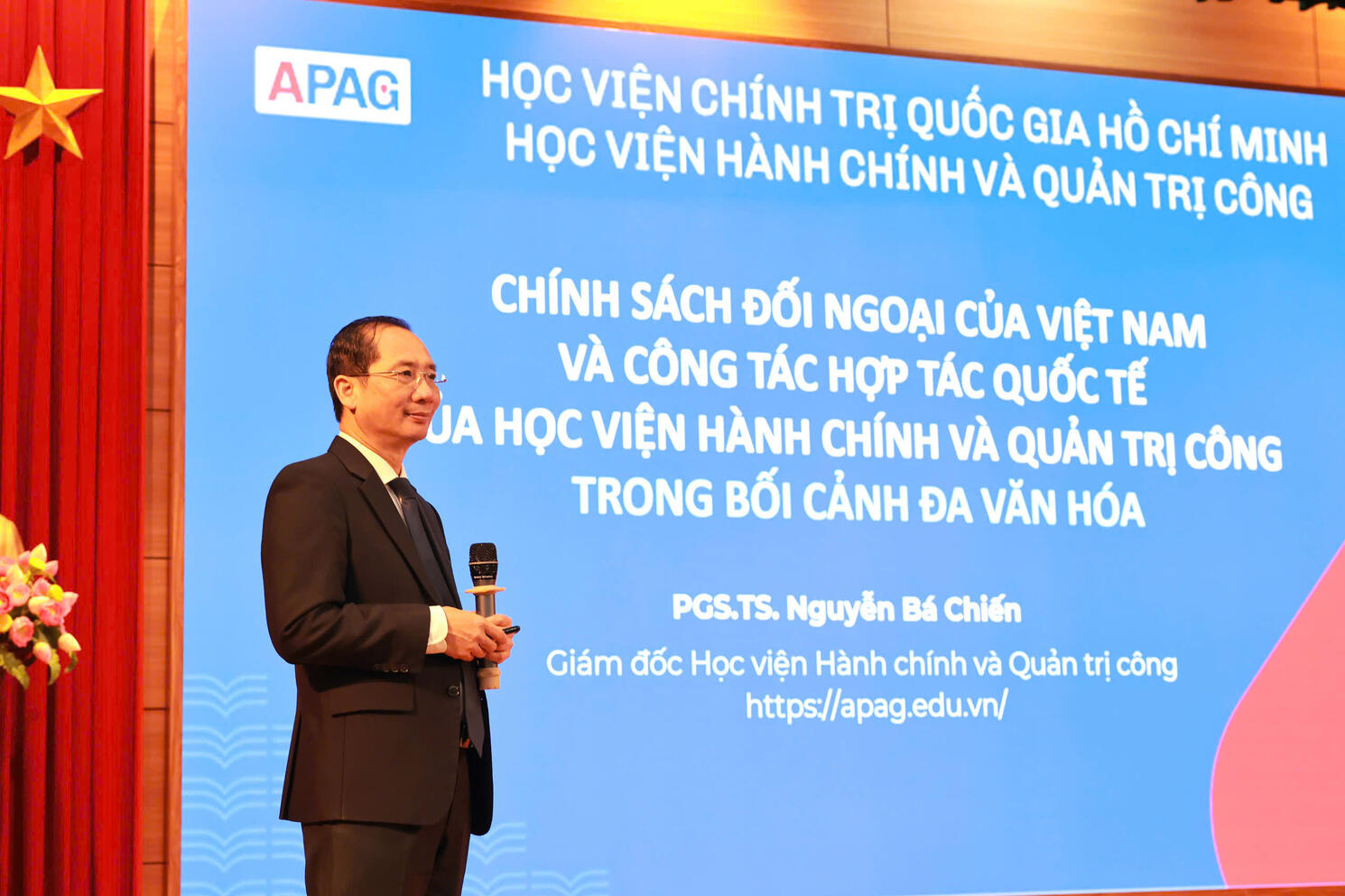 Assoc. Prof. Dr. Nguyen Ba Chien presenting the paper at the plenary session
Also at the plenary session, Prof. Kim Young Soon presented a paper titled “The Dialectical Relationship between Exchange and Coexistence: A Journey of Reconciliation between Viet Nam and the Republic of Korea” The presentation emphasized that sustainable reconciliation can only be built on a foundation of facing historical truths, respecting the memories of victims, and creating shared memories toward a future of peaceful and sustainable coexistence.
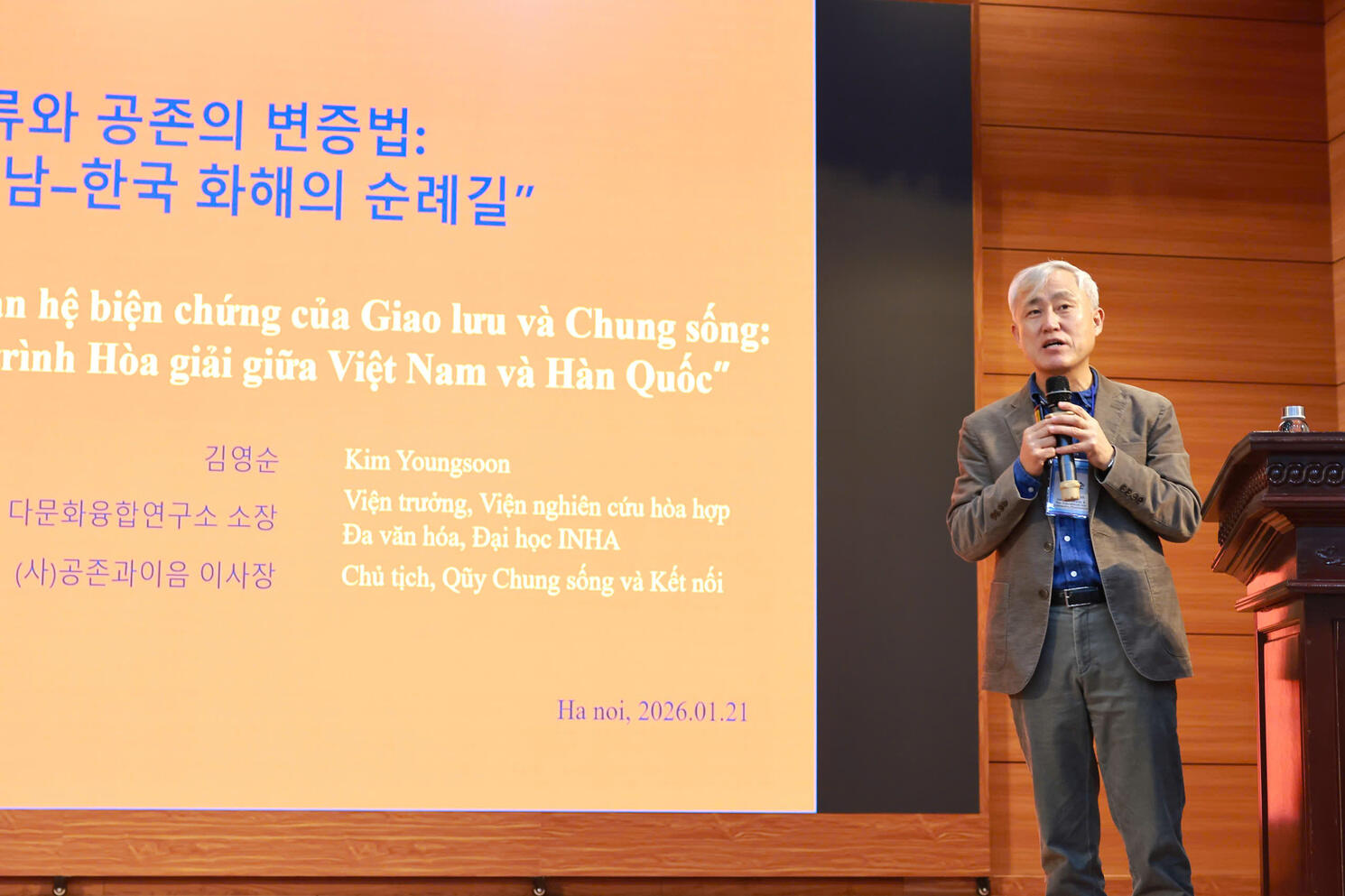 Prof. Kim Young Soon presenting the paper at the plenary session
The seminar was organized with one plenary session and 10 specialized discussion sessions, conducted in a hybrid format (both in-person and online), focusing on major issues of contemporary multicultural societies.
Sessions 1 & 6: Intercultural Narratives and Educational Encounters; National Identity, Media, and Multilingual Practices.
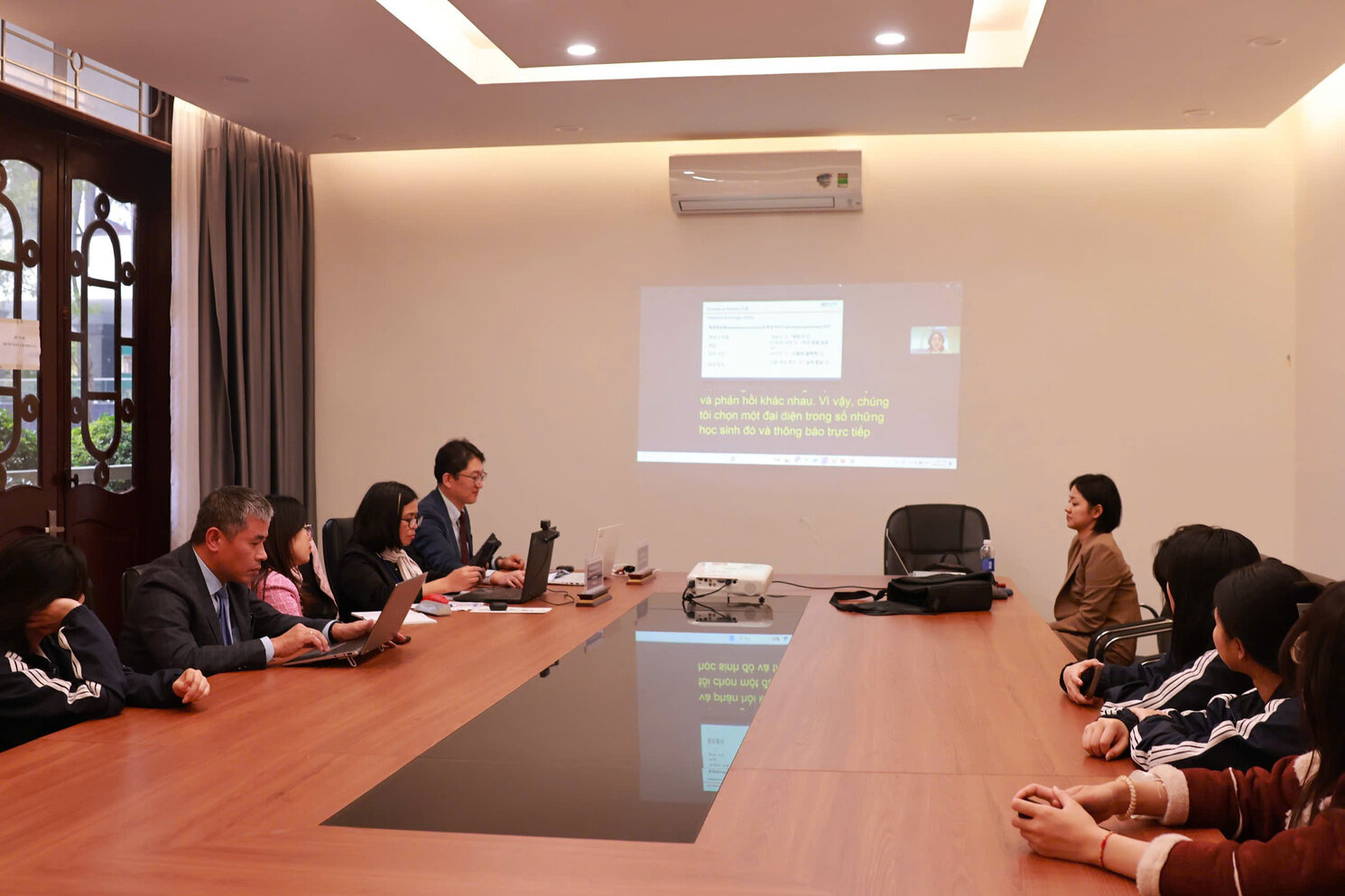 Discussion Session 1 and Discussion Session 6 of the seminar
Sessions 2 & 7: Cultural Diversity, Public Governance in Multicultural Societies, and Field Research Practices; Multicultural Management and Identity.
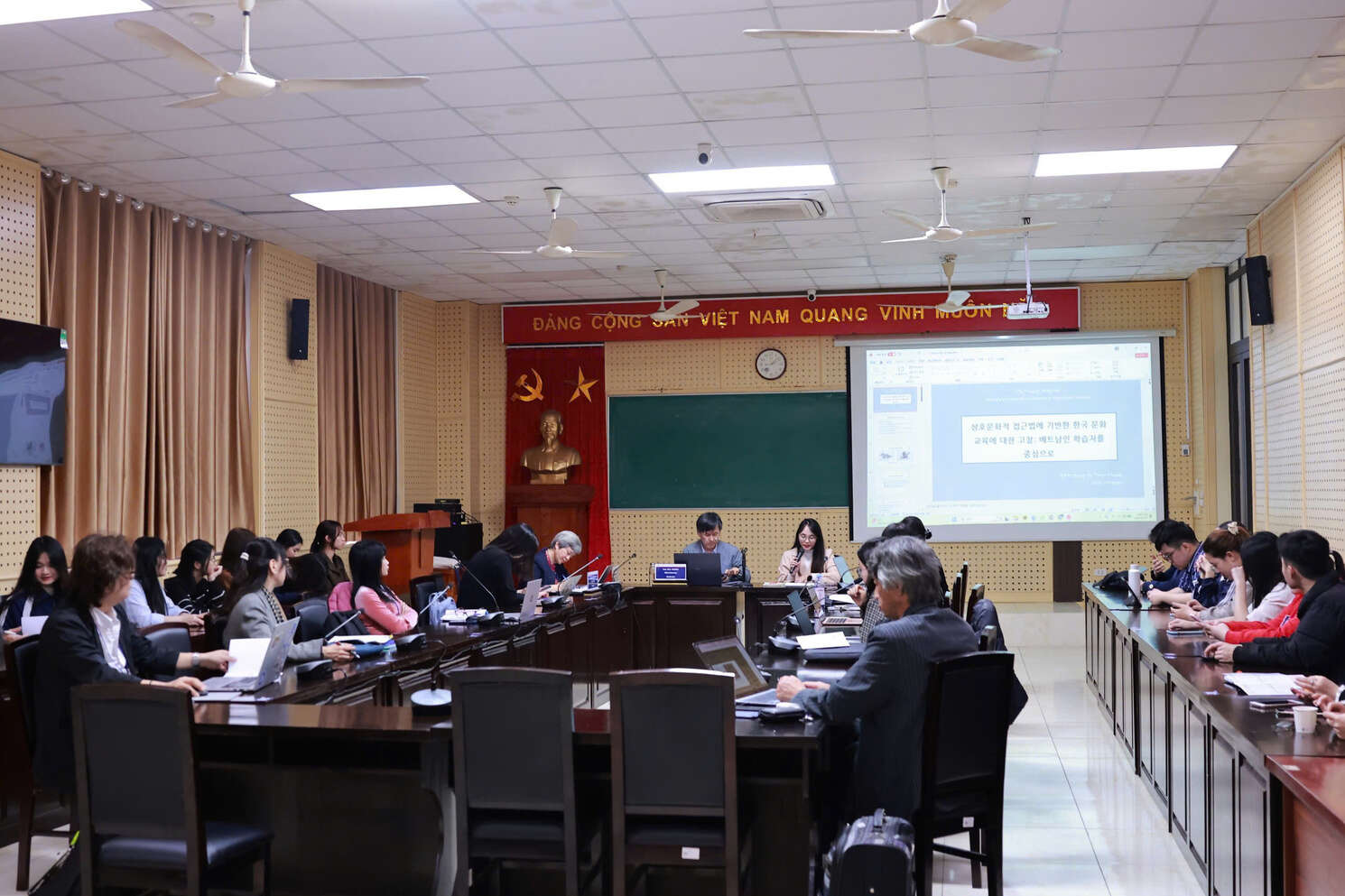 Discussion Session 2 and Discussion Session 7 of the seminar
Sessions 3 & 8: Digital Transformation and Intercultural Practices; Youth in Multicultural Societies.
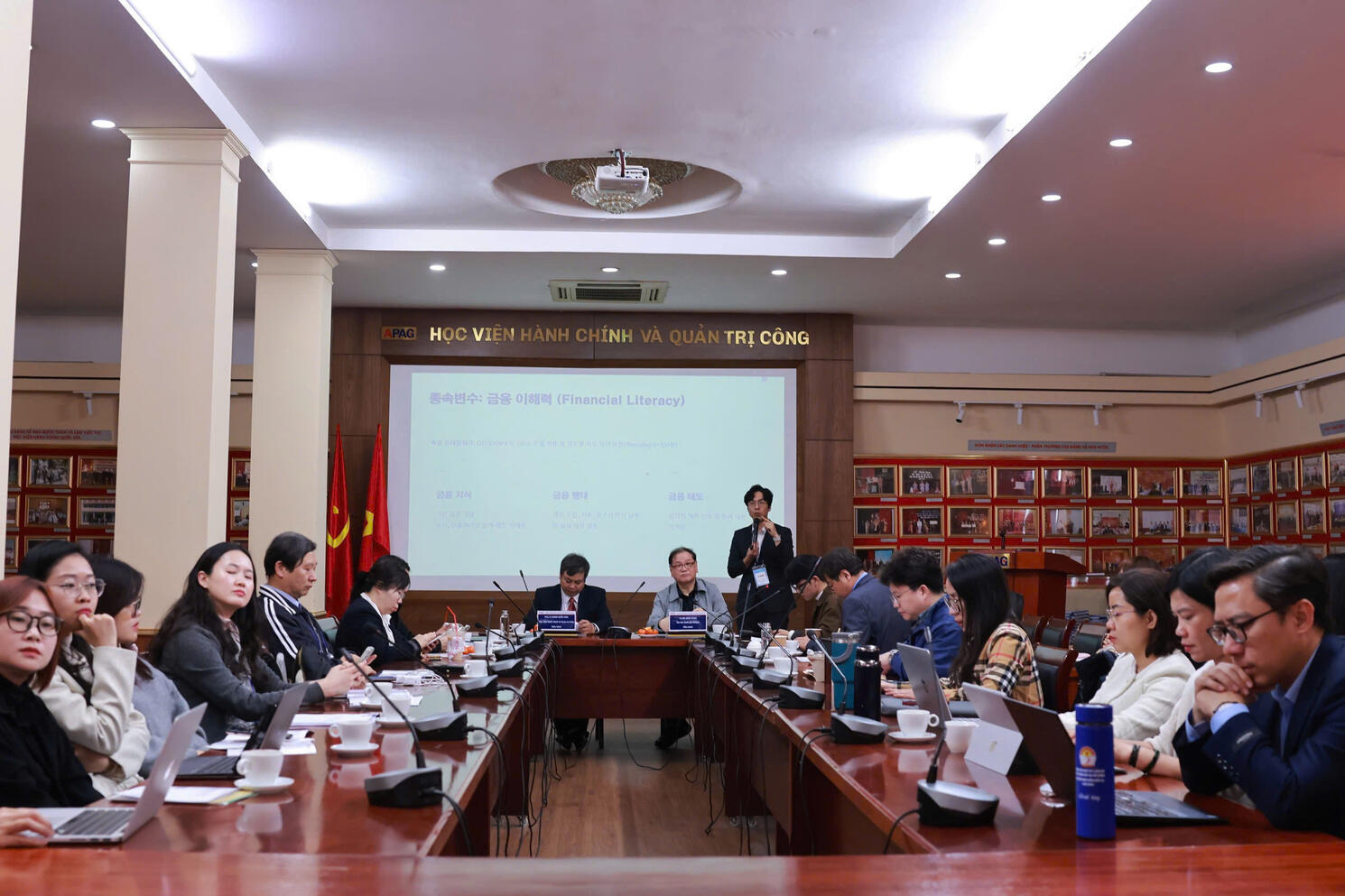 Discussion Session 3 and Discussion Session 8 of the seminar
Sessions 4 & 9: Diversity and Potential of Multicultural Education; Multicultural Society and Arts-Culture Activities.
Sessions 5 & 10: Welfare and Capital of Immigrants; Korean Language Education in the Multilingual Era.
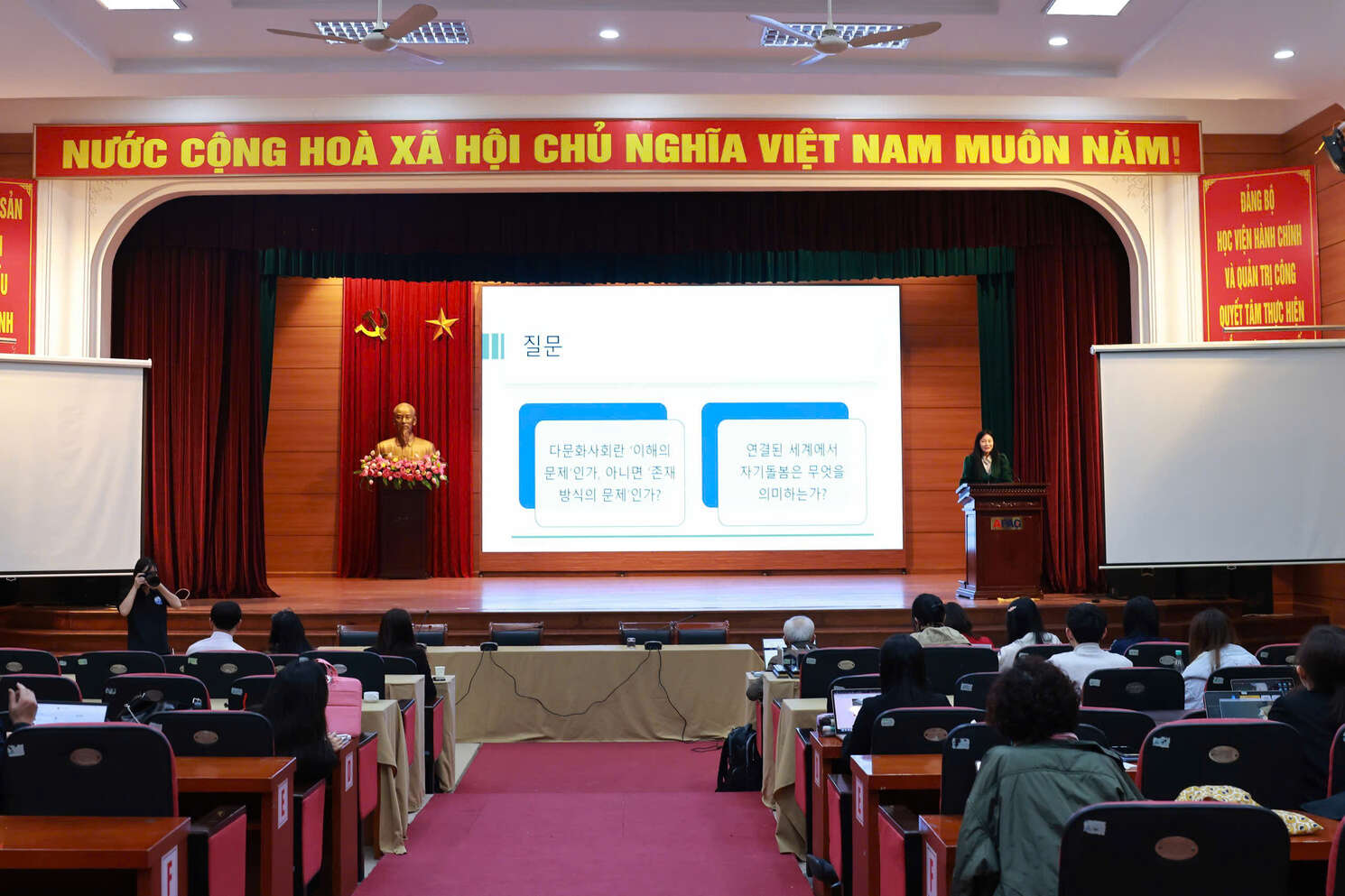 Discussion Session 5 and Discussion Session 10 of the seminar.
Within the framework of the seminar, the Faculty of Social Development Management played a core role in leading the academic content and coordinating discussion sessions, contributing to connecting knowledge, enhancing academic exchange, and disseminating research values associated with social management and development practices.
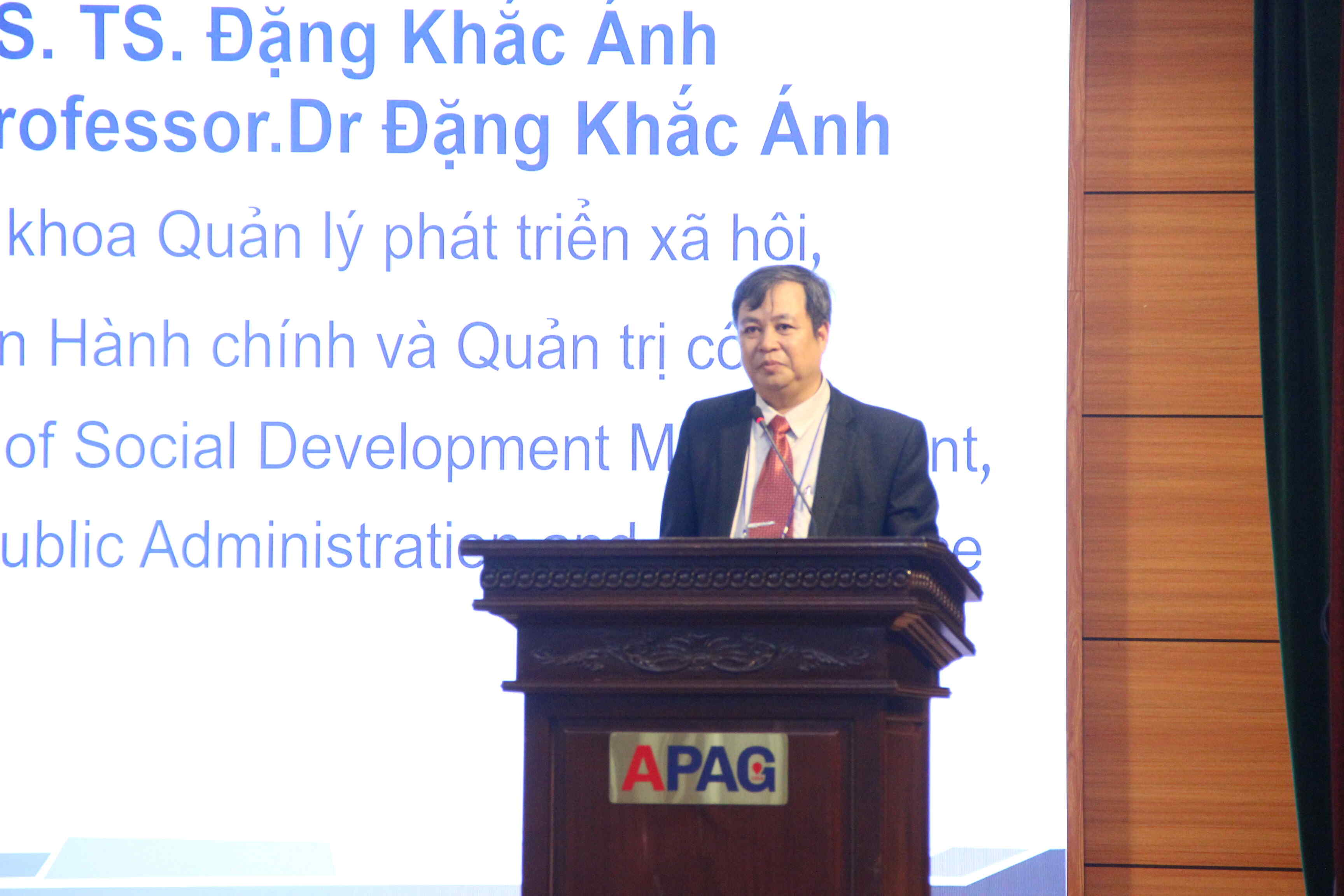 Assoc. Prof. Dr. Dang Khac Anh delivering the closing remarks at the seminar
In the closing remarks, Assoc. Prof. Dr. Dang Khac Anh, Dean of the Faculty of Social Development Management, sincerely thanked the delegates, scientists, lecturers, researchers, and students for contributing their wisdom, passion, and responsibility to the seminar. The academic exchanges at the event helped clarify many important issues regarding cultural diversity, intercultural intersection, and practice; while opening up valuable policy implications for social governance in the context of extensive international integration.
Through the seminar, the cooperative relationship between the Academy of Public Administration and Governance and Korean partners continues to be consolidated and developed, opening new directions in interdisciplinary research, academic exchange, and high-quality human resource training, aiming toward building a harmonious multicultural society and sustainable development.
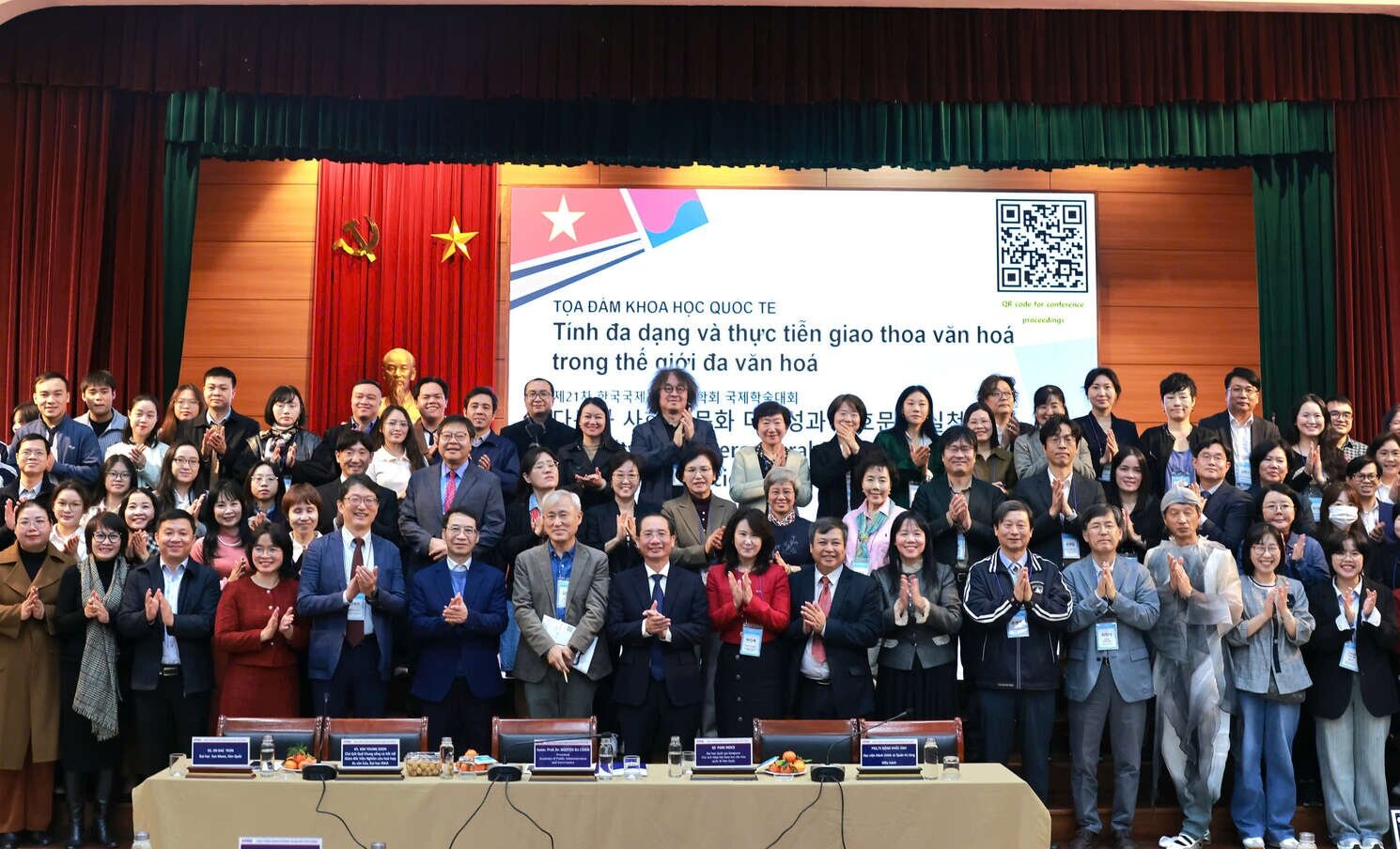 Delegates attending the seminar taking a commemorative photo