On the morning of March 30, 2025, in Hanoi, the Academy of Public Administration and Governance organized an International Scientific Seminar themed: "Collaborative governance and reference value for civil service innovation in Vietnam today." Assoc. Prof. Dr. Nguyen Ba Chien, President of the Academy, chaired the Seminar
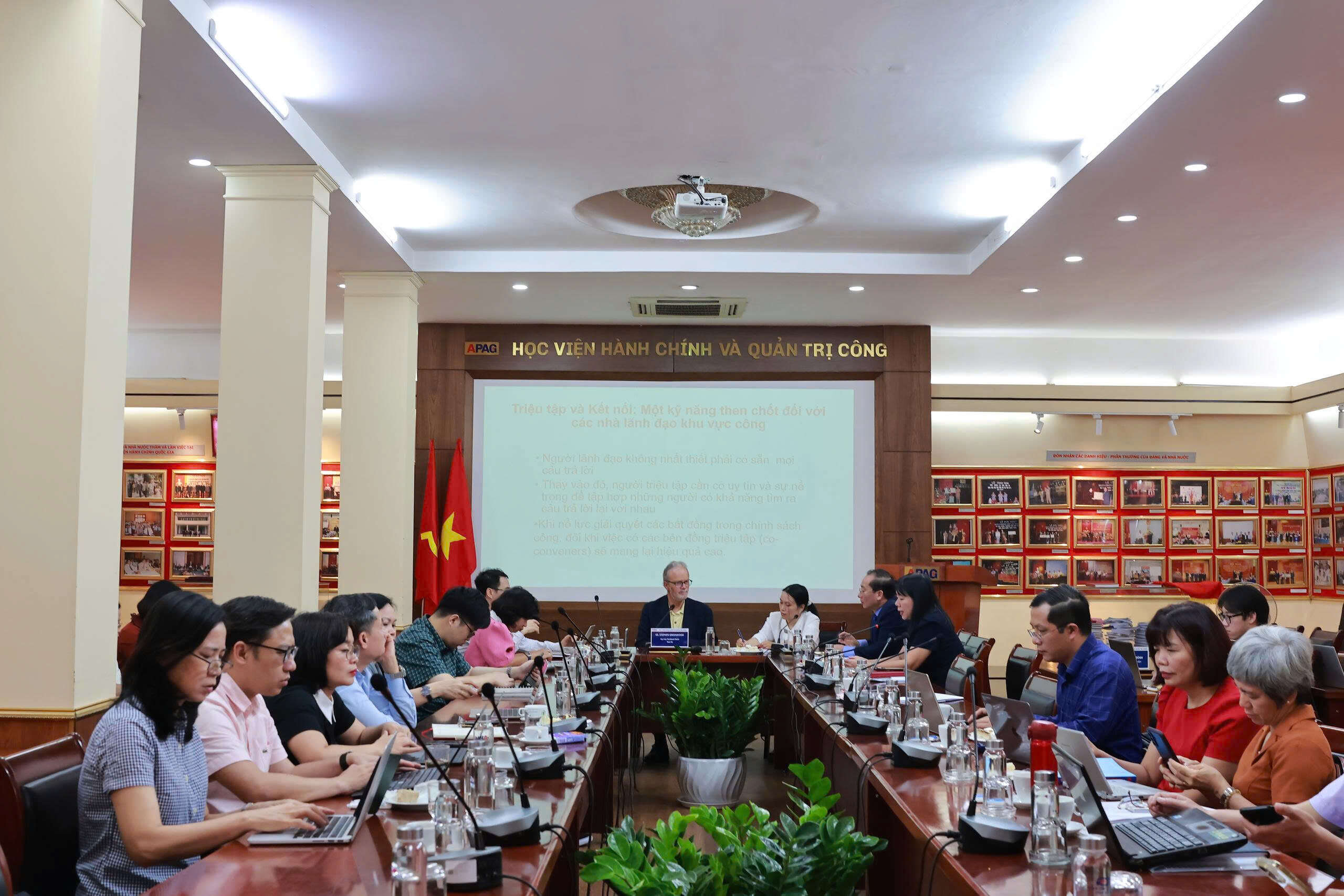 Overview of the Seminar
Attending the Seminar was Prof. Stephen Greenwood, an expert in collaborative governance and public policy consensus building, Senior Fellow at the National Policy Consensus Center, Portland State University (USA). Representing the Academy of Public Administration and Governance were Assoc. Prof. Dr. Luong Thanh Cuong, Vice President of the Academy; Dr. Bui Phuong Dinh, Vice President of the Academy; along with leaders of faculties, departments, units, and a large number of officials and lecturers of the Academy.
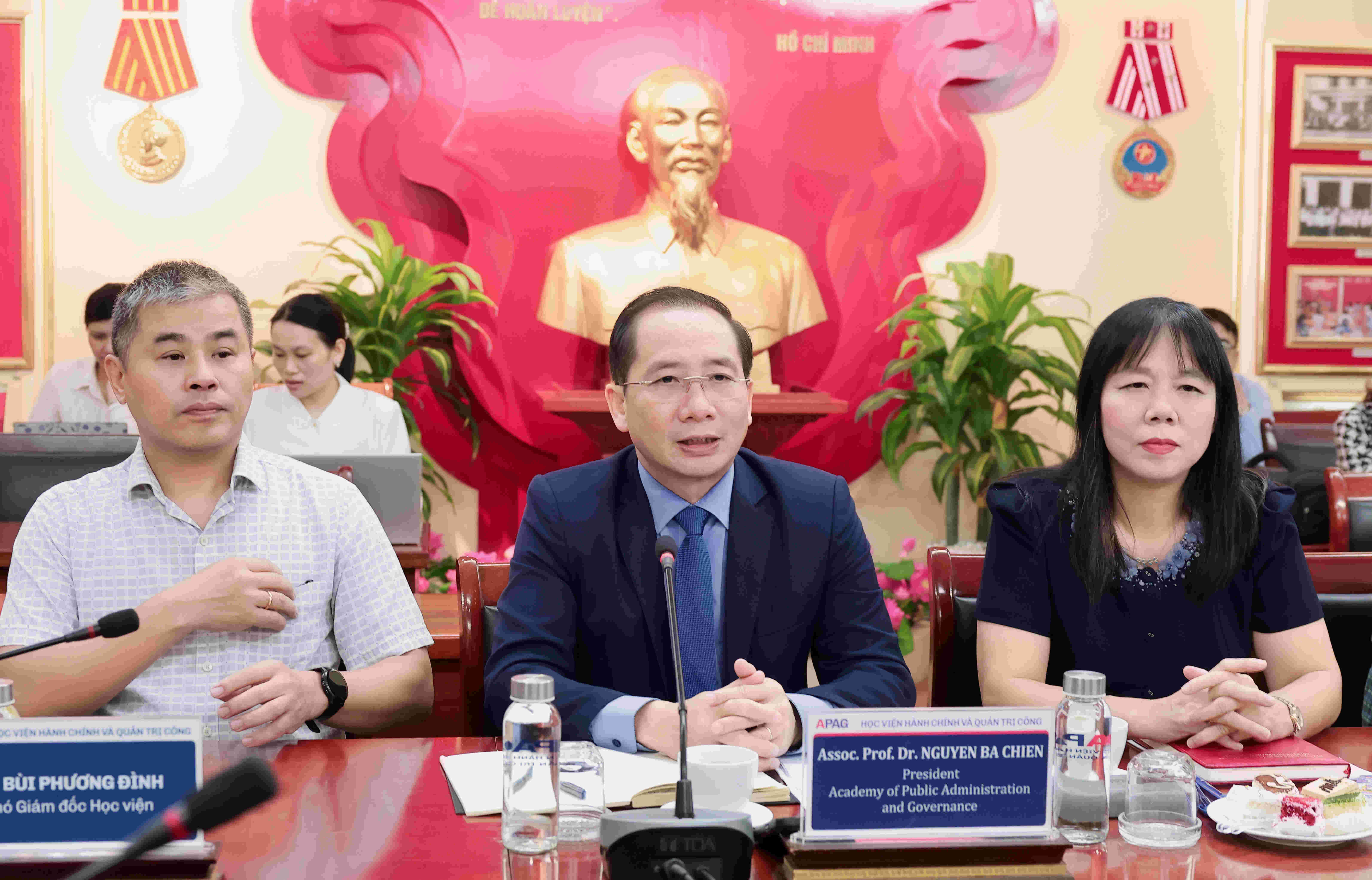 Assoc. Prof. Dr. Nguyen Ba Chien, President of the Academy, delivering the opening speech at the Seminar
In his opening remarks, Assoc. Prof. Dr. Nguyen Ba Chien emphasized that in the context where public issues are becoming increasingly complex, interdisciplinary, and beyond the solving capacity of a single entity, collaborative governance is becoming an important approach. Researching and clarifying the principles, operational conditions, and applicability of collaborative governance has practical significance for the process of civil service innovation in Vietnam. At the same time, the President of the Academy expressed his expectation that the sharing from the international expert will contribute to providing more scientific evidence and reference value for reform practices.
At the Seminar, Prof. Stephen Greenwood presented an overview of collaborative governance, understood as a process in which entities from the public sector, private sector, and civil society organizations coordinate with each other in a structured manner to achieve public goals. Accordingly, instead of relying primarily on traditional hierarchical management models, collaborative governance promotes multi-stakeholder coordination, shared responsibility, and resource mobilization from various entities.
The expert also pointed out two basic forms of collaborative governance, including: collaboration to seek consensus—often applied in contexts where there are conflicts of interest among stakeholders, especially in the policymaking process; and collaboration in collective action—demonstrated through the coordination of resources and expertise to implement programs, projects, or deliver public services. Both forms contribute to improving the quality of governance, increasing the feasibility and sustainability of policy decisions.
To illustrate, Prof. Stephen Greenwood shared the case of addressing coastal erosion in the Columbia River estuary (USA), where stakeholders reached a consensus through neutral facilitation mechanisms, science-policy dialogues, and building joint commitments. This shows that in collaborative governance, parties do not merely participate by giving opinions but also co-create and take responsibility for the solutions.
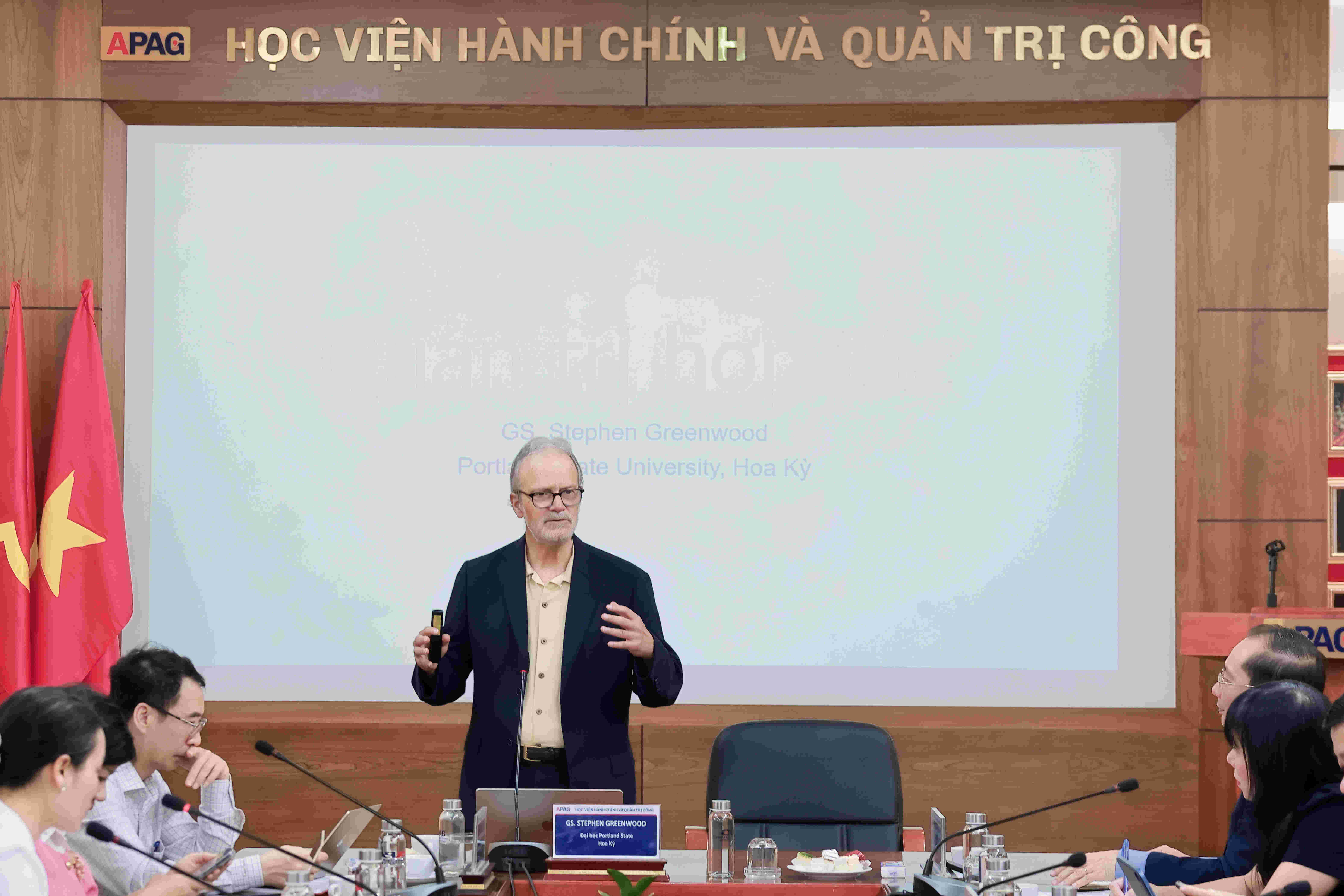 Prof. Stephen Greenwood presenting at the Seminar
According to Prof. Stephen Greenwood, collaborative governance does not diminish the role of the State, but conversely, emphasizes the State's coordinating and leading role. One of the key factors ensuring success is the presence of a "convener"—an entity capable of connecting stakeholders, establishing a collaborative framework, building trust, and promoting a spirit of co-responsibility.
In the context of Vietnam accelerating governance reform and perfecting its civil service, the collaborative governance approach is considered to be of particular importance. Challenges such as overlapping functions, capacity limitations at certain levels of government, or requirements for interdisciplinary coordination pose an urgent need to strengthen effective collaborative mechanisms among entities within the civil service system.
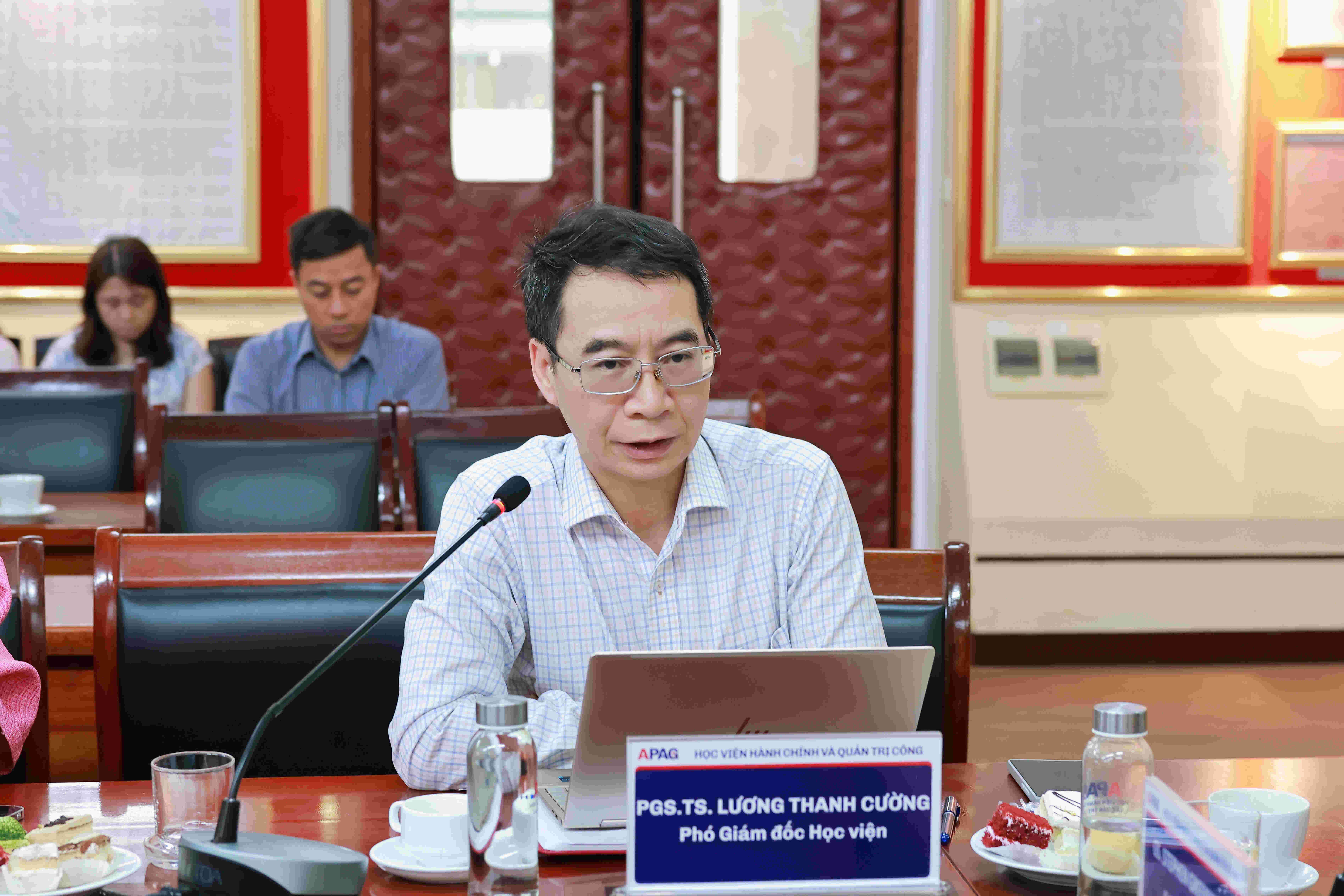 Assoc. Prof. Dr. Luong Thanh Cuong, Vice President of the Academy, exchanging opinions
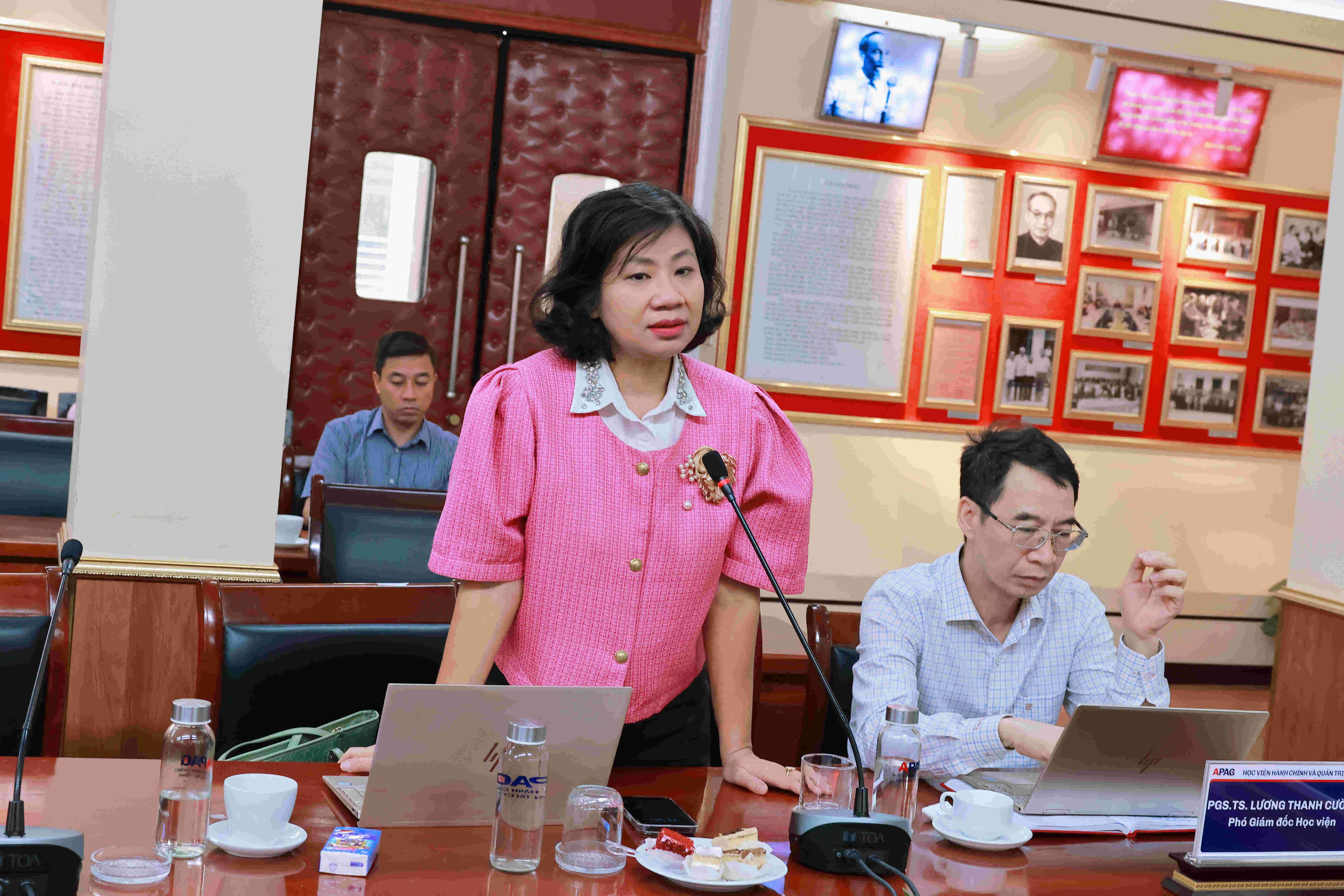 Assoc. Prof. Dr. Nguyen Thi Thu Van, Dean of the Faculty of Archival Science and Office Administration, exchanging opinions
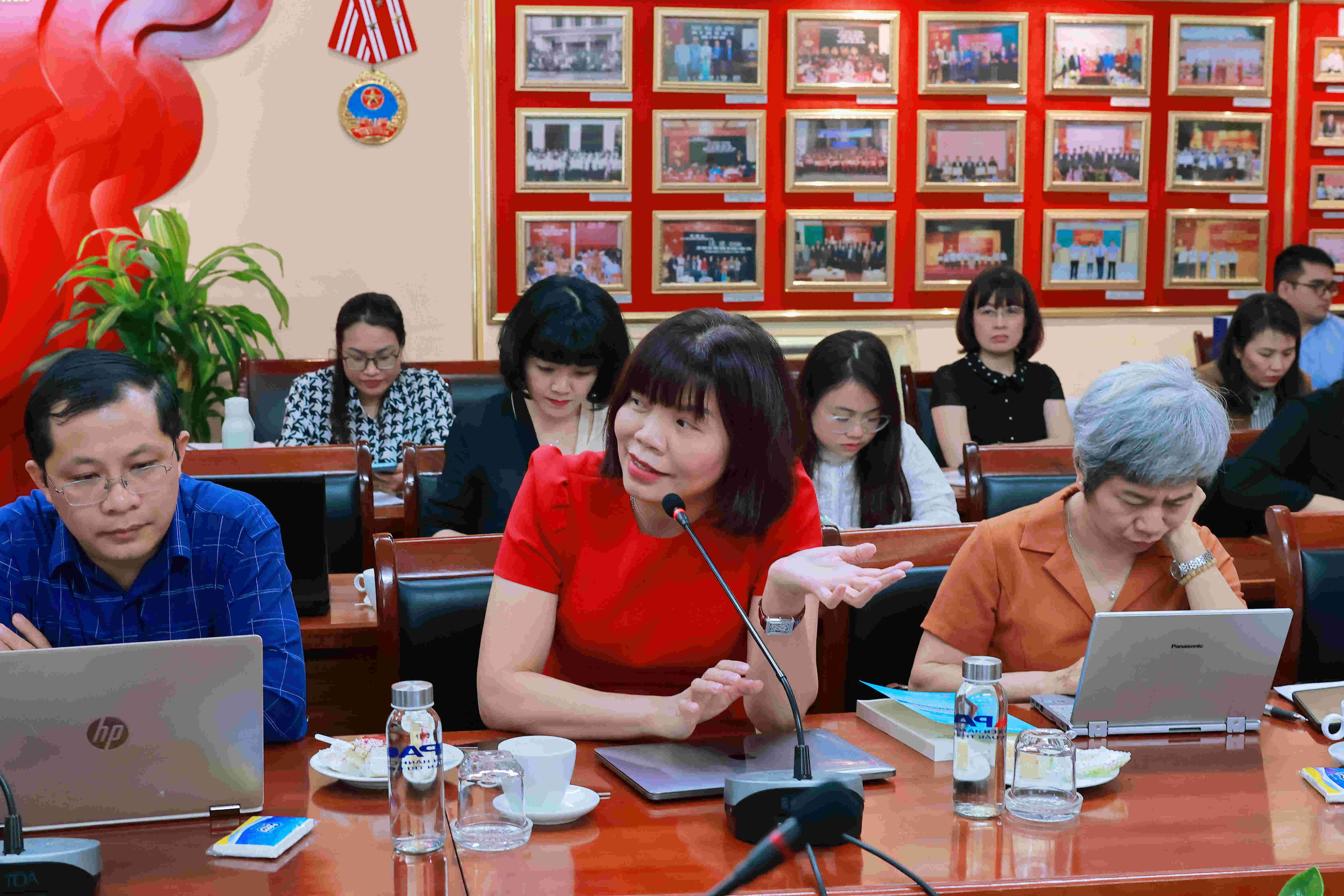 Assoc. Prof. Dr. Nguyen Thi Hong Hai, Dean of the Faculty of Public Administration, exchanging opinions
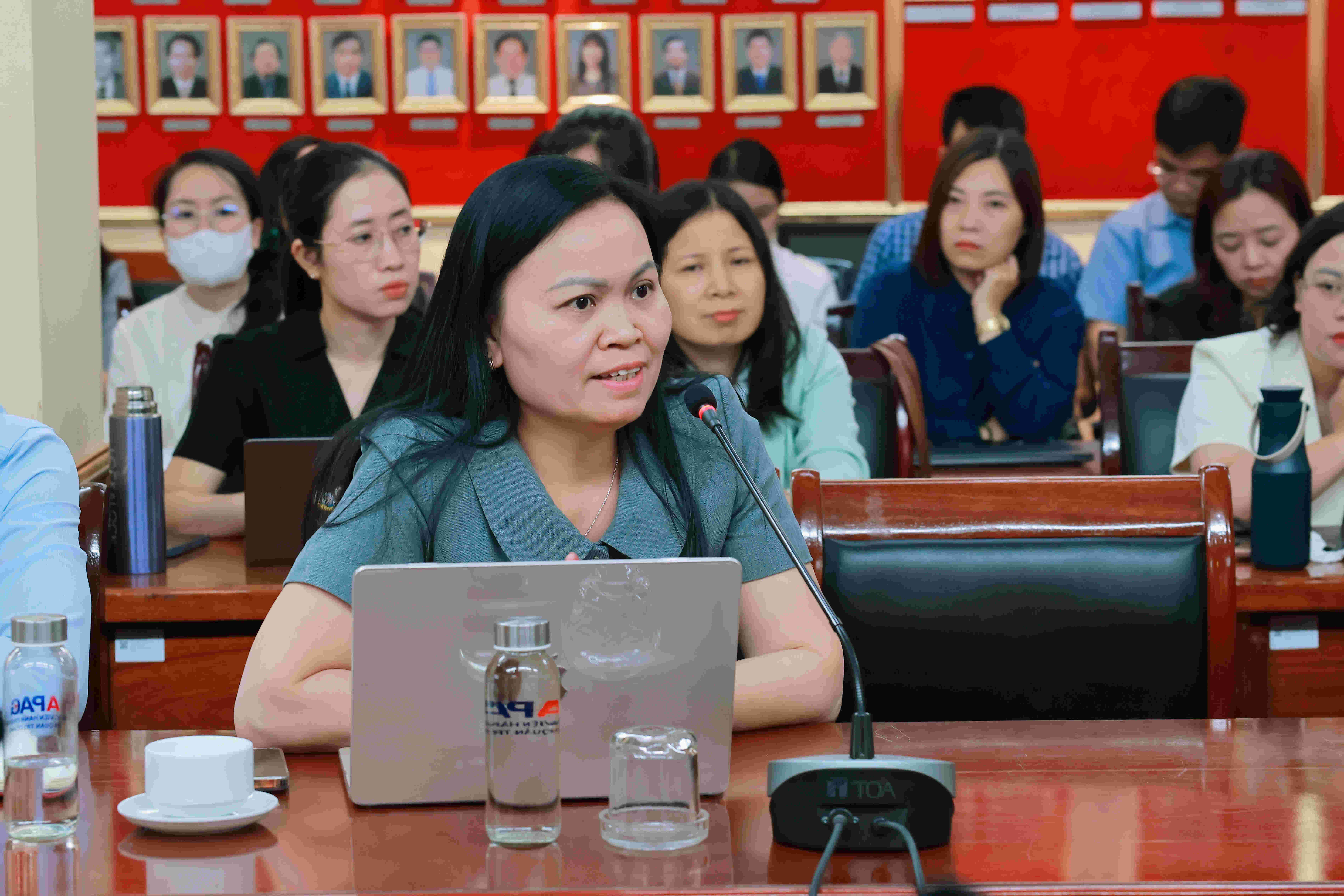 Assoc. Prof. Dr. Nguyen Thi Thu Ha, Dean of the Faculty of Interdisciplinary Sciences - Foreign Languages - Informatics, exchanging opinions
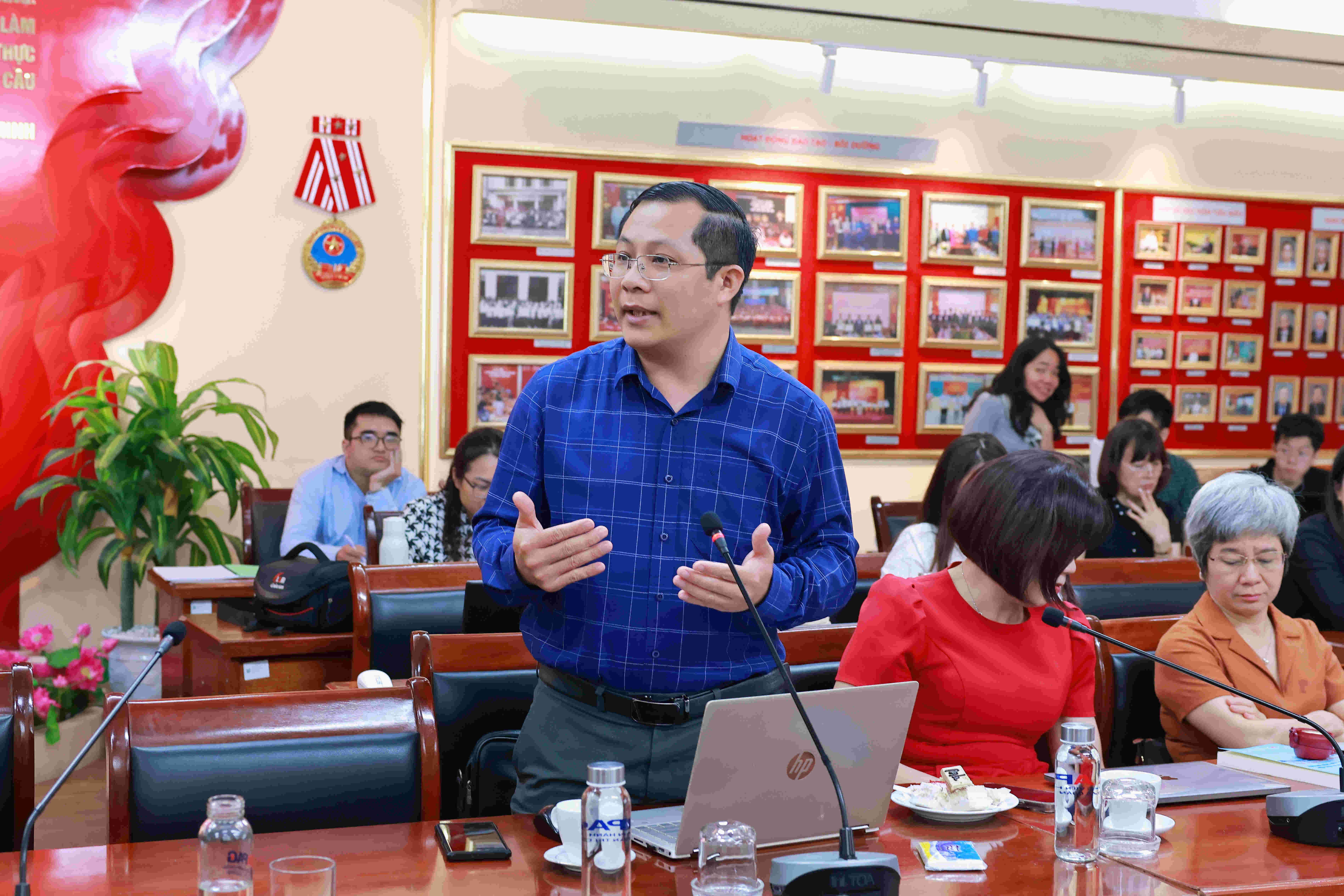 Dr. Doan Van Tinh, Deputy Dean of the Faculty of Human Resource Management, speaking
The discussion session took place enthusiastically with many opinions exchanged by the delegates revolving around topics such as: tools for implementing collaborative governance; methods for handling conflicts of interest; differences between the public and private sectors; the role of cultural and institutional factors, as well as the head of the organization; and the requirement for institutionalization to improve coordination efficiency in public service execution.
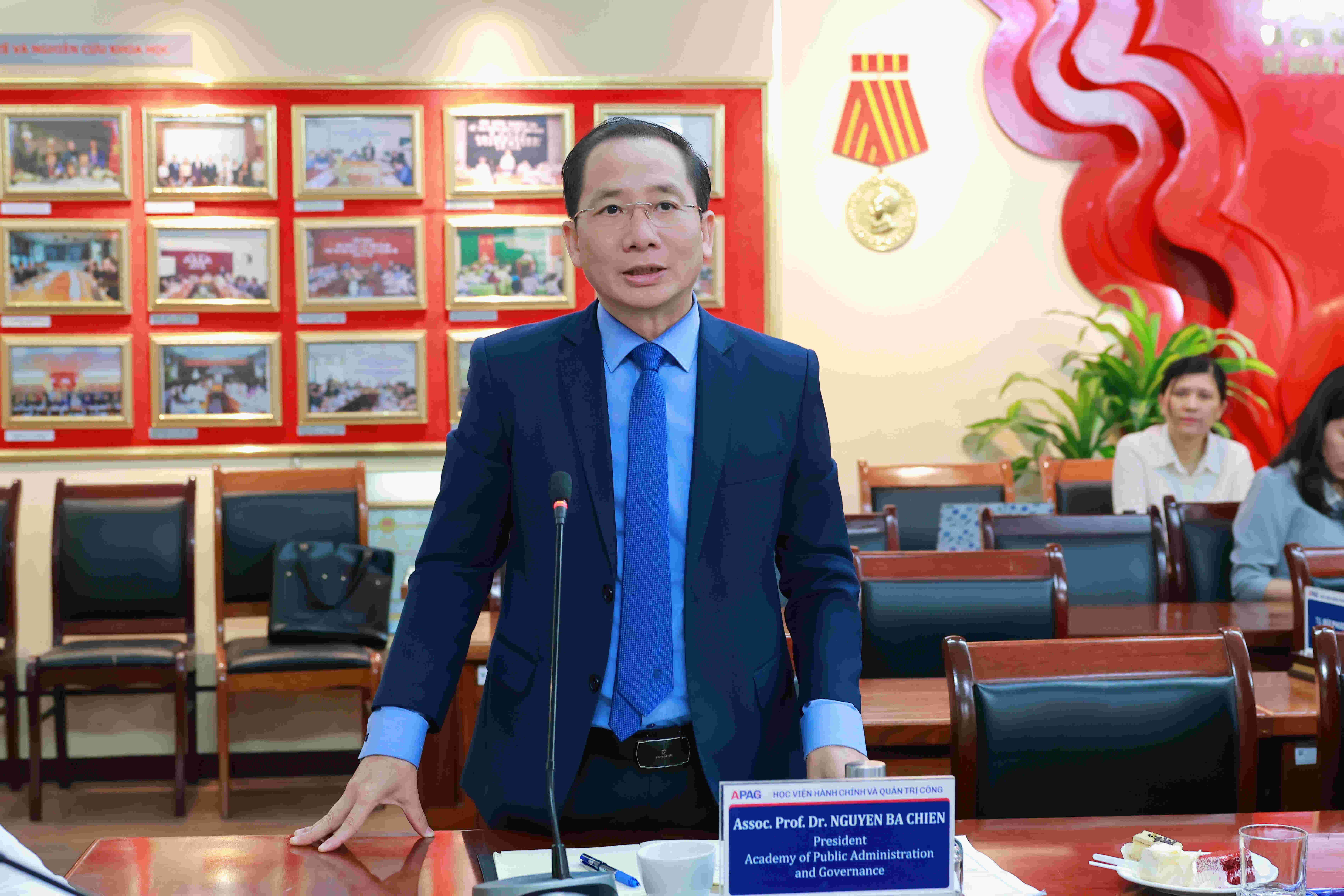 Assoc. Prof. Dr. Nguyen Ba Chien delivering the closing remarks
Delivering the closing remarks of the Seminar, Assoc. Prof. Dr. Nguyen Ba Chien respectfully thanked the profound sharing of Prof. Stephen Greenwood as well as the enthusiastic exchanged opinions of the attending delegates. The President of the Academy affirmed that in the process of comprehensive reform of the civil service in Vietnam, researching and effectively applying the collaborative governance model will make an important contribution to improving the quality of governance, meeting the requirements of rapid and sustainable development in the new period.
The Seminar concluded in a serious and open academic atmosphere, contributing to strengthening the exchange of international knowledge and promoting the research and application of modern governance models at the Academy of Public Administration and Governance.
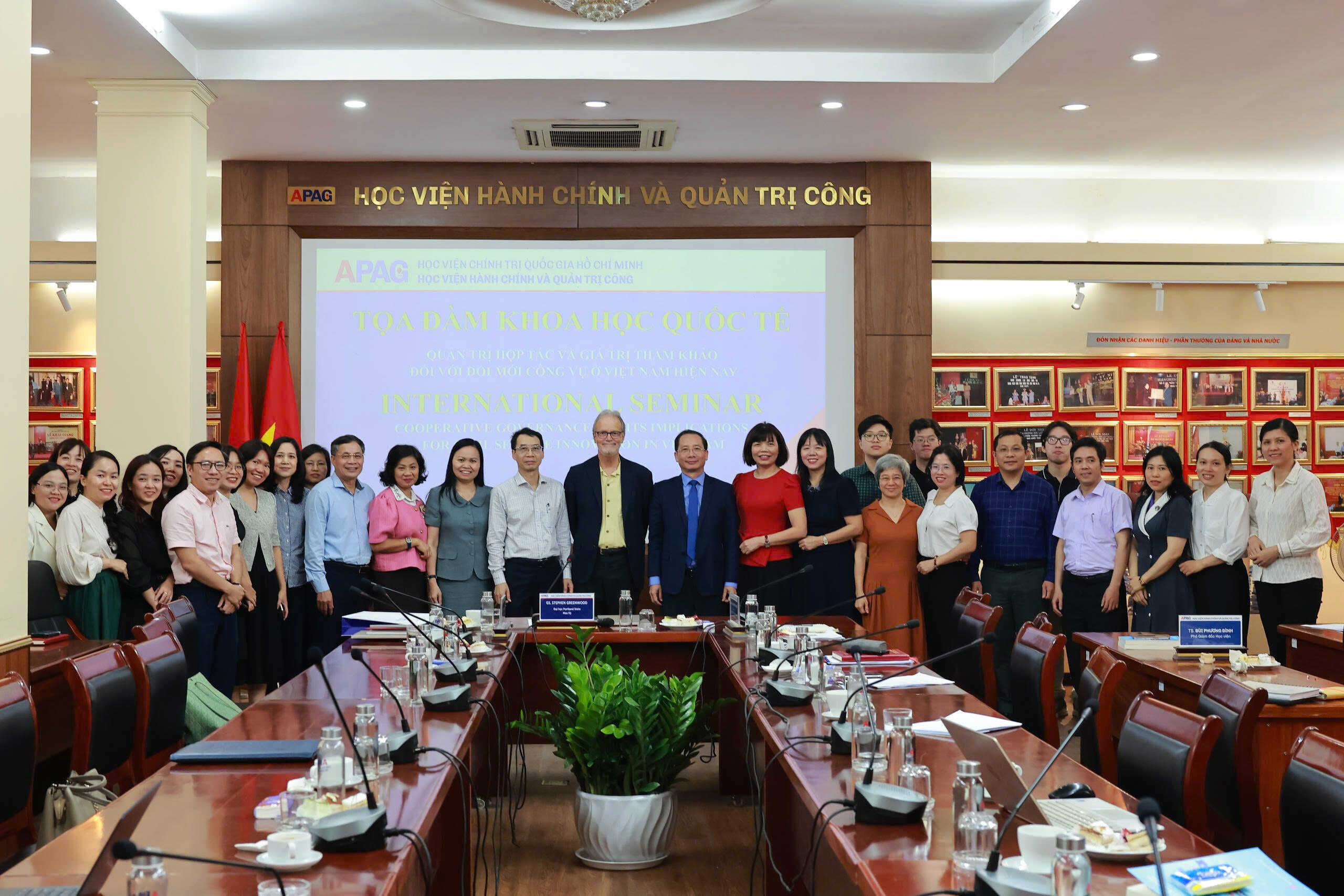 Delegates taking commemorative photos